
A-Len has been working with the sport facilities typology since mid-2000’s; over this time, the company’s website has accumulated more than twenty projects of this kind, and, in spite of the fact that the company says that it does not limit itself with a framework of any functional specialization on general principle, sports facilities account for a significant part of its portfolio. What makes the company’s approach different is the extreme variety of tasks and their interpretations, ranging from conventional sports clubs and fitness centers to grand-scale multifunctional complexes with unique architecture and a boundless scope of possibilities. Among the latter, we must, first of all, mention the completed building of SKA sports complex that was opened in 2016, bringing the company a few awards, both professional ones, and the prize of the government of Saint Petersburg. The expertise, developed by A-Len in the area of designing and building sports facilities, allows the company to integrate various new functions into sophisticated multifunctional complexes, such as “Energiya” sports complex, which is currently being built in the city of Voronezh. And, last but not least, the company’s expertise allows it to work with sports-related infrastructure projects, such as Mercure Hotel in the city of Saransk, meant to accommodate for the guest sports teams. One typology leads to another, and fosters their mutual development, forming a single picture.
“We consider the sports facilities typology to be extremely interesting and important for us because it constantly makes us solve new tasks and sharpen our skills – says the leader of the company, Sergey Oreshkin – One of the important peculiarities of sports facilities, same as museums and theaters, is the fact that they do not really require much outdoor light, which gives the architect an opportunity to freely experiment with shape and volume. Still another feature that also gives the architect a lot of creative freedom is the technological necessity of designing large-scale indoor spaces for large numbers of athletes and spectators. Besides, some kinds of sports also set the motif of the overall shape of the building. For example, a platform diving complex automatically takes on a grand scale because you need to place the diving towers inside the building”.
Large-scale Sports Complexes
Although this is all but forgotten, but the project of SKA sports complex was essentially a result of revising the project that won the competition of 2012. The competition project was based on the idea of a triangle that also defined the inclination of the façade wall facing the Rossiysky Avenue, and the ornamental pattern that encased the volume.
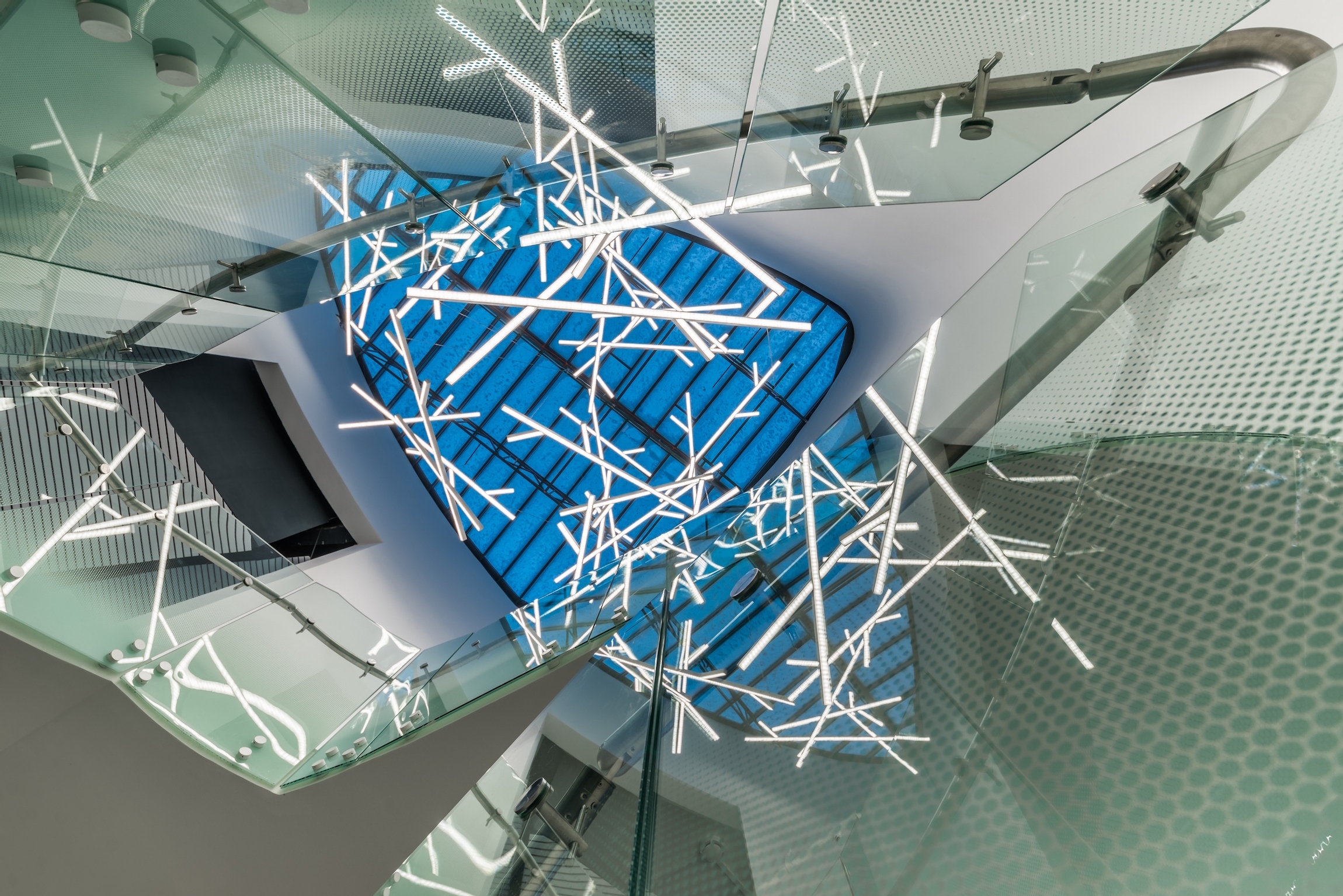

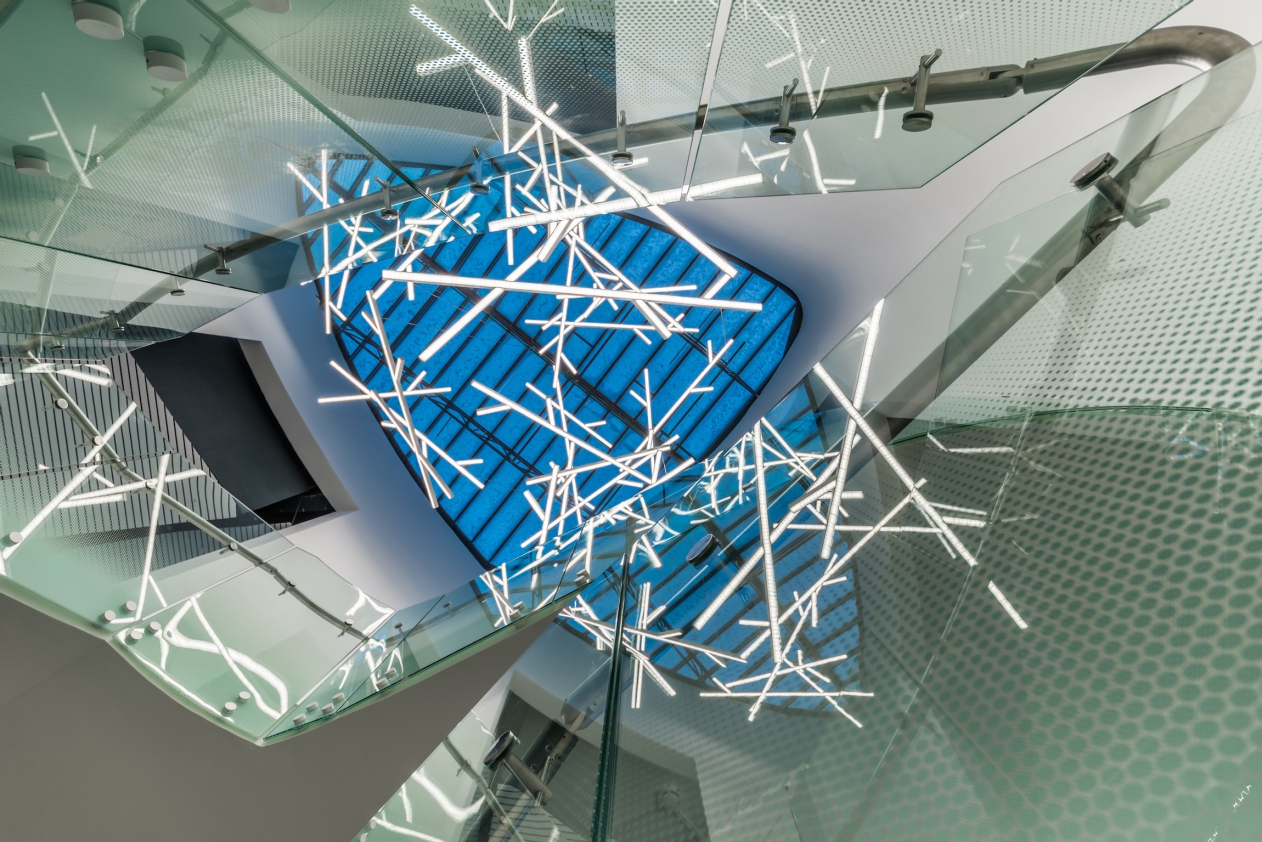
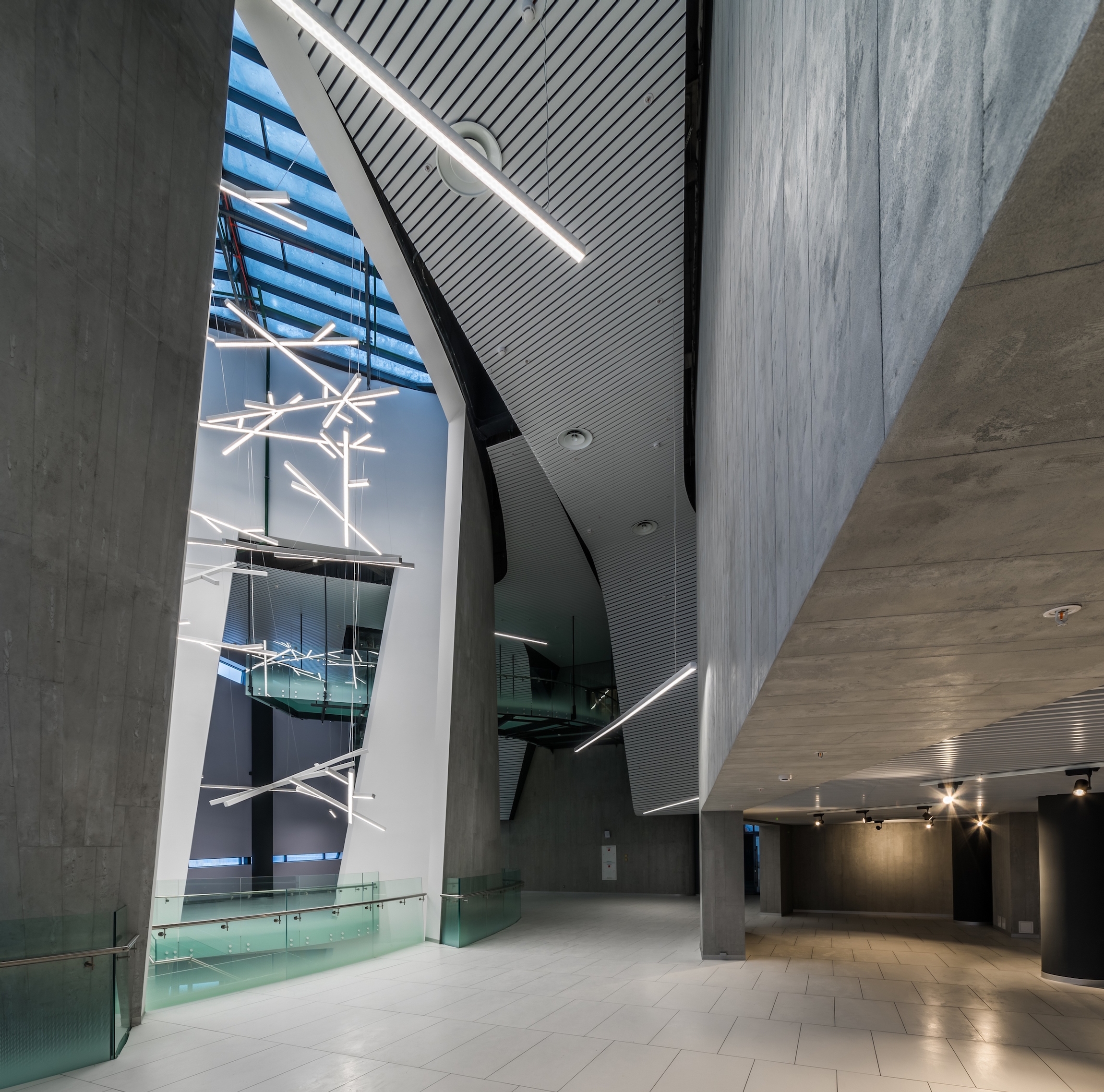
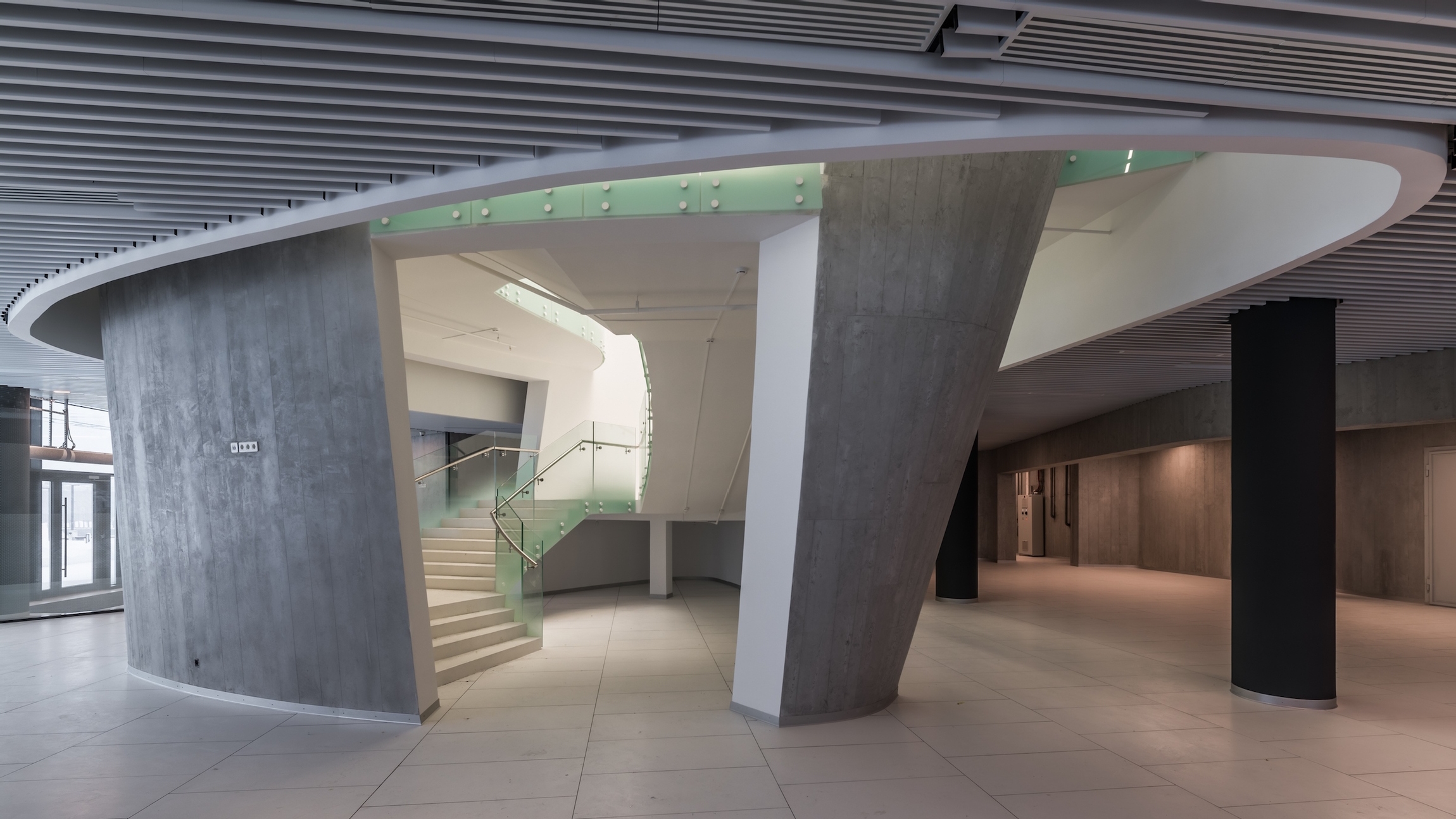
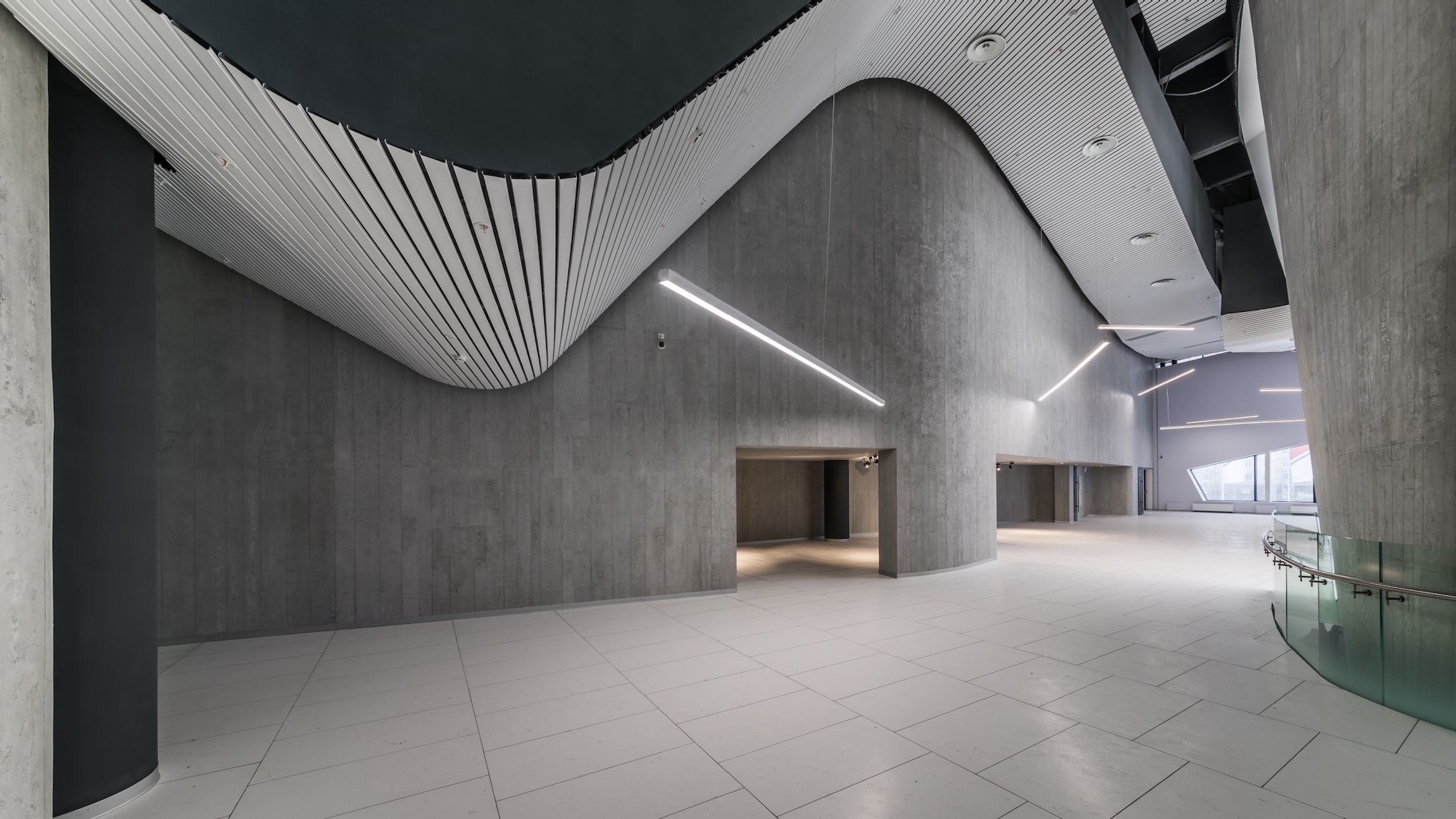
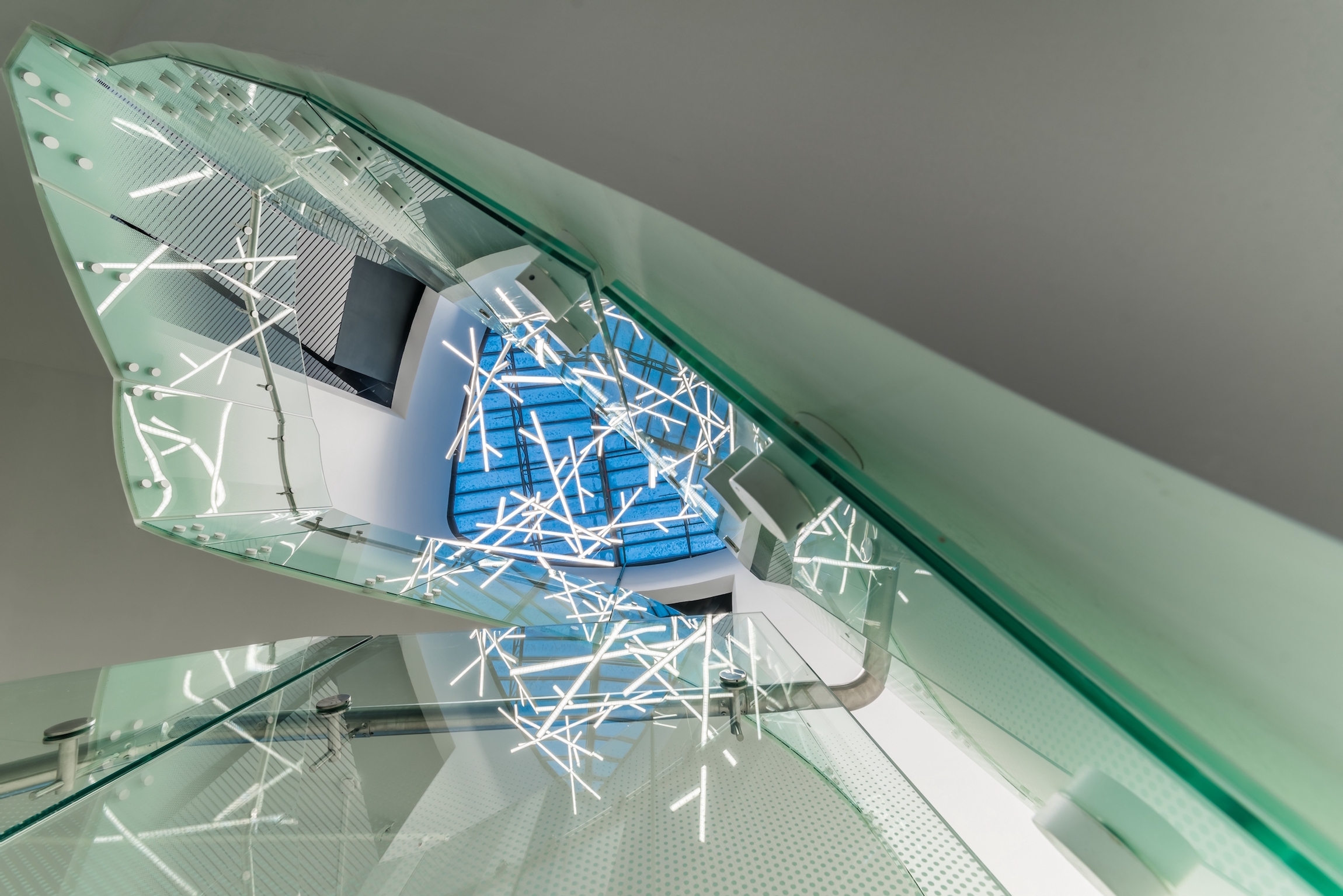
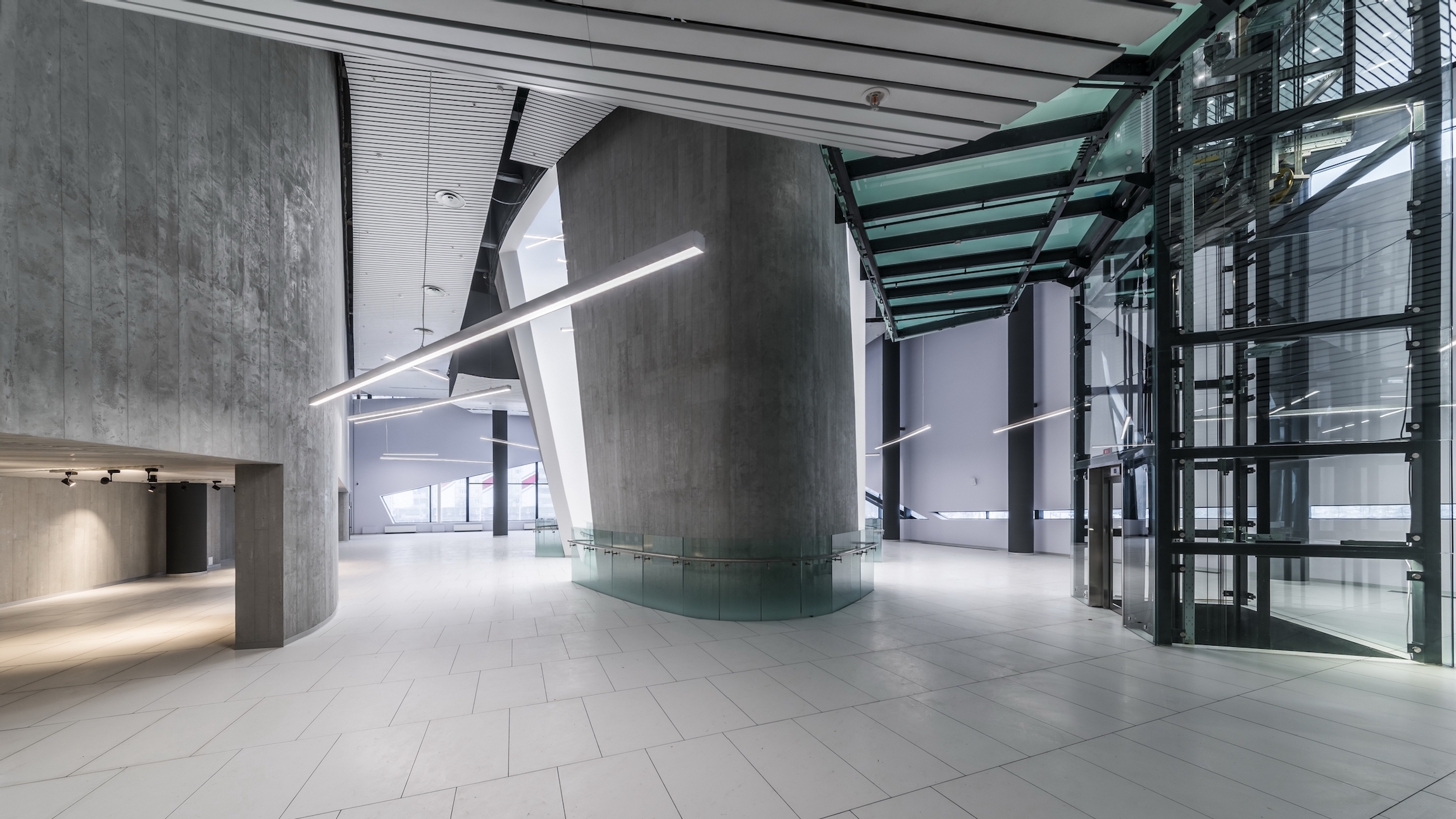
Interior of the entrance lobby and the museum of the sports complex of SKA hockey club. Implementation, 2016 © A.Len Architectural Bureau
Copyright: © A-Len
-
 1 / 4The competition project of an indoor sports complex. The 1st placeCopyright: © A-Len
-
 2 / 4The competition project of an indoor sports complex. The 1st placeCopyright: © A-Len
-
 3 / 4The competition project of an indoor sports complex. The 1st placeCopyright: © A-Len
-
 4 / 4The competition project of an indoor sports complex. The 1st placeCopyright: © A-Len
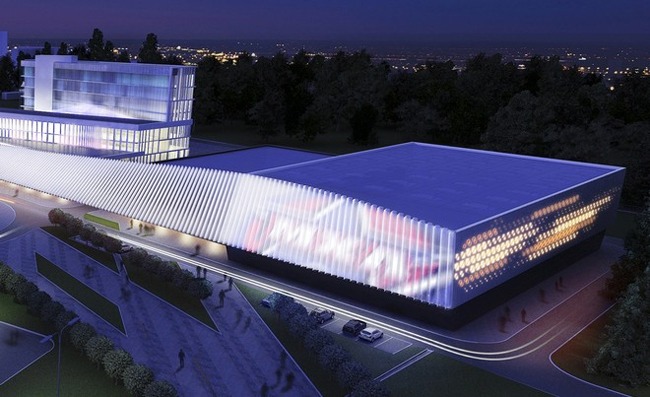

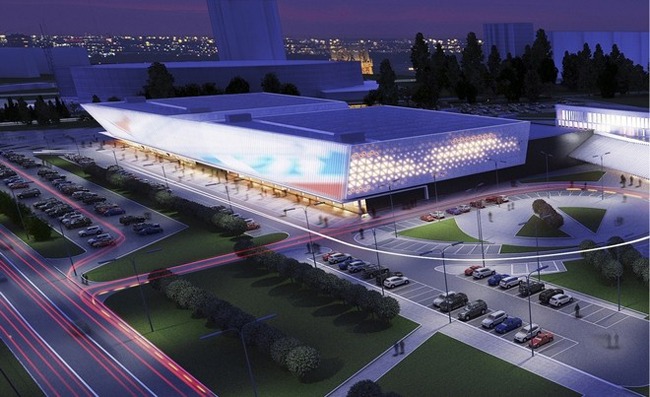

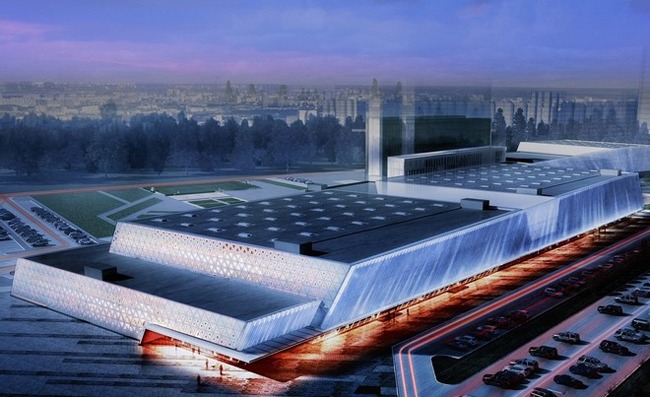


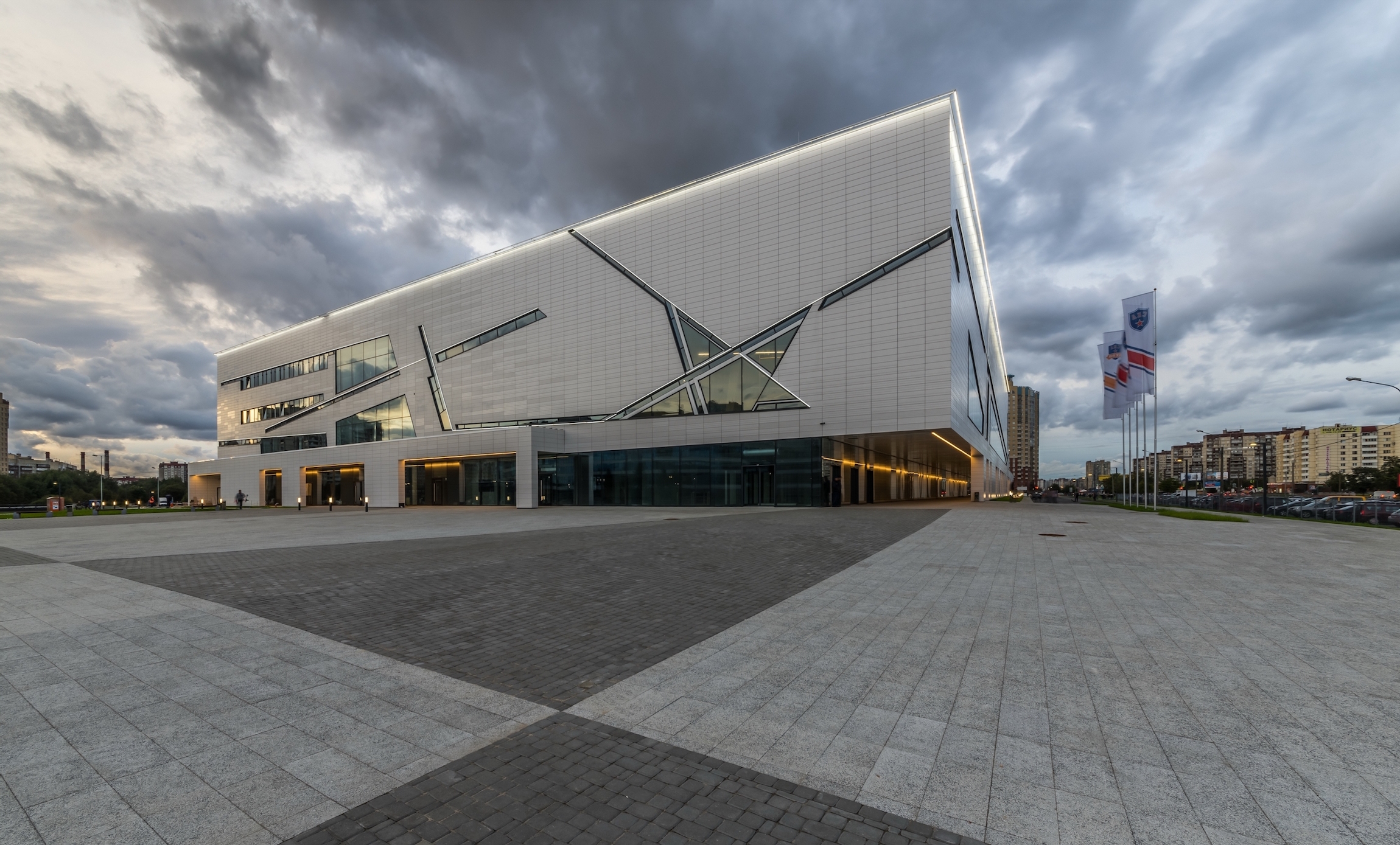
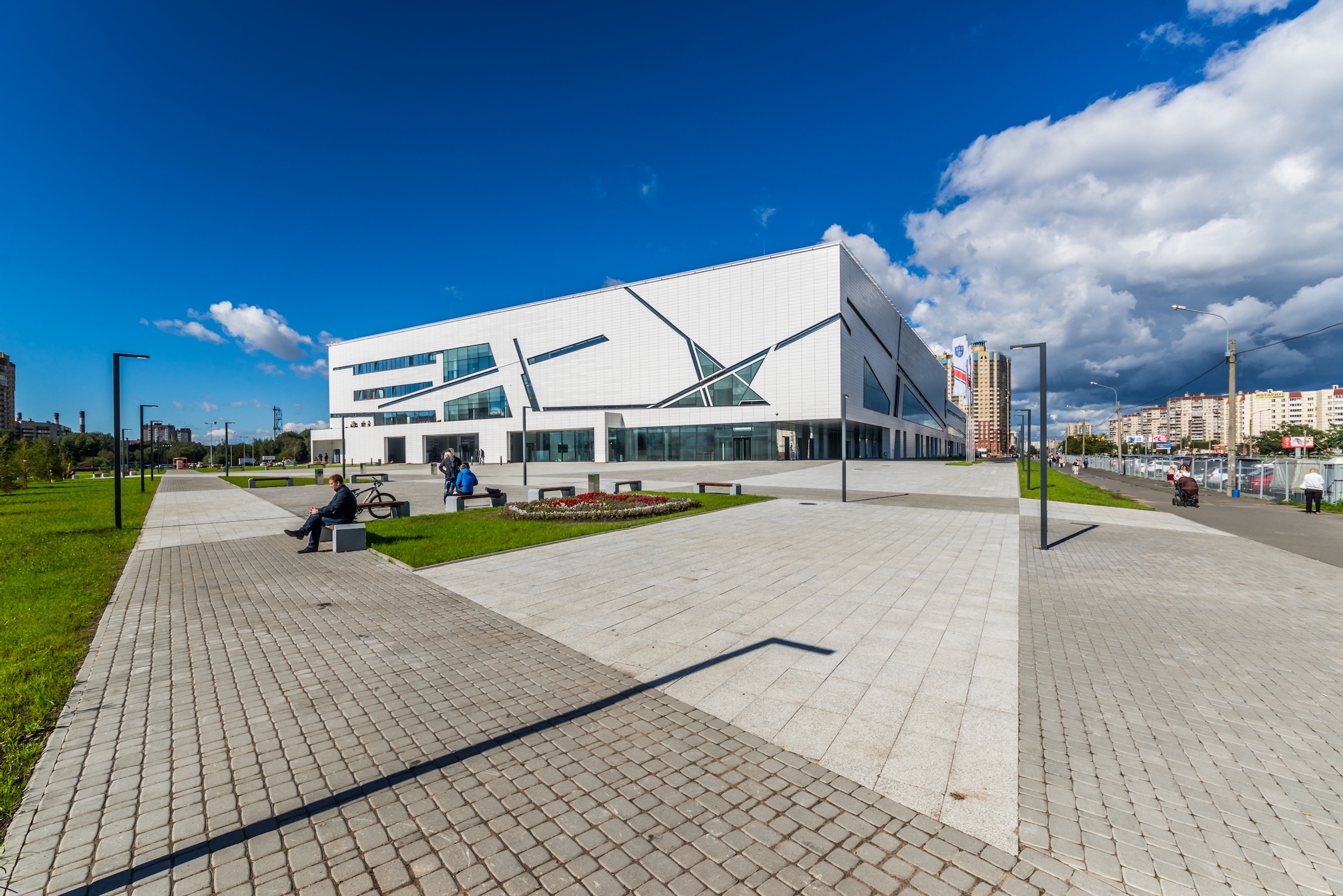
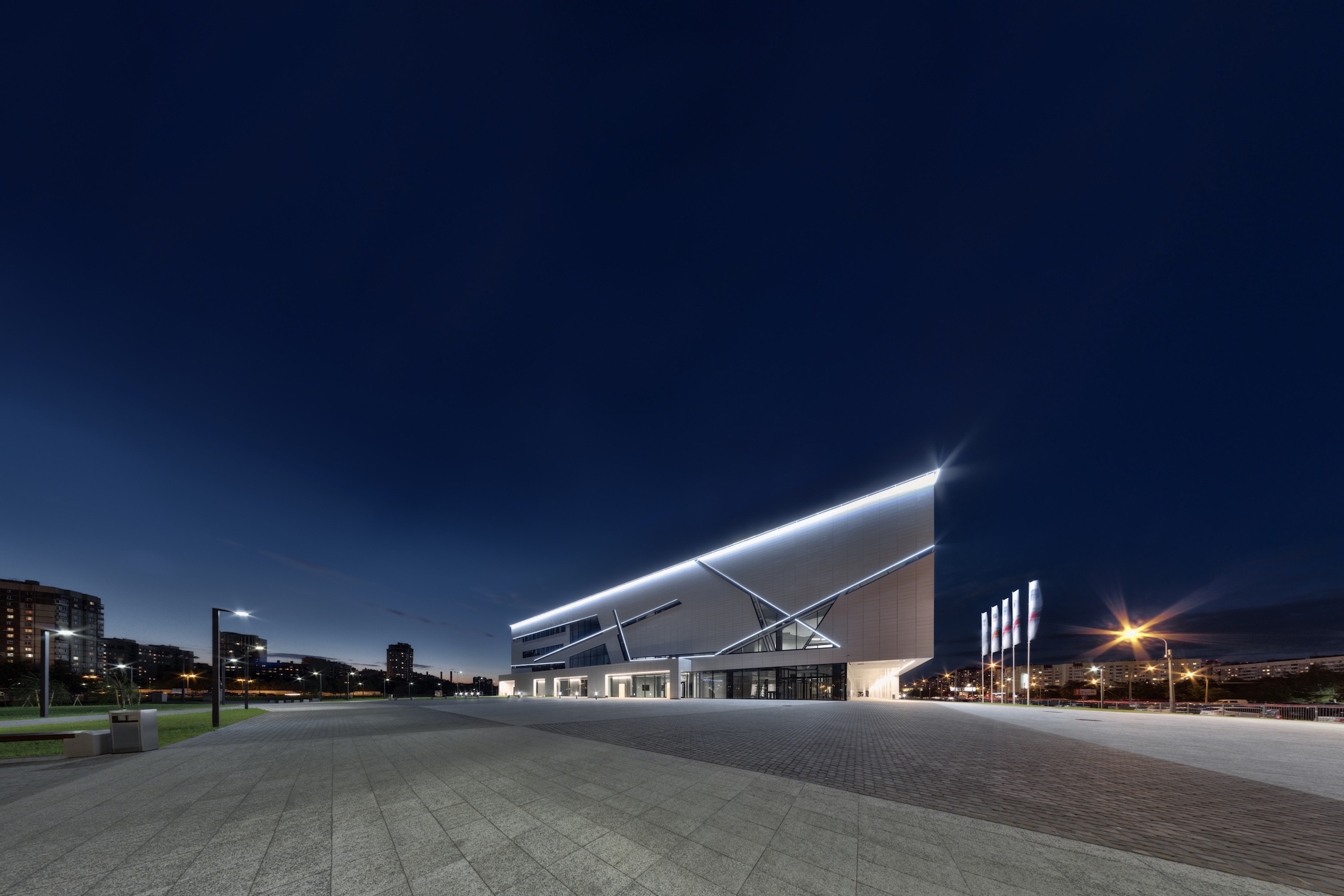
The completed building of the SKA sports complex is different than the winning project: it became more compact and less spread-out; the pattern of triangles gave way to a pattern of light-colored strokes that more vividly resemble the club’s emblem – a five-pointed star, entwined into lines that look like the traces of blades on ice. But this is what the architect’s mastery is all about – to be able to keep the project as close to the original as possible, address all of the requirements, and finish the job without handing it over to anyone else.
“We took on this project after we won in a closed-door competition, to which all of the reputed architectural companies of Saint Petersburg were invited, and a few European firms too – Sergey Oreshkin shares – Furthermore, in the next stages of the project we won two similar competitions that involved maybe an even stronger lineup of contestants”.
In the SKA complex, the architects were able to not only keep the volume and the façades but also the interiors that became a graceful continuation, or, to be more exact, the climax of the entire complex: the shapely “atrium” staircase made of concrete, the stars of the “snowflake” lights, and the elegant combination of shades of gray – you have all the necessary parts of a grand, glittering, and impressive space here. The nonlinear sculptural plastique enhances the contemporary character of the building, claiming to be compared to “star” architecture – not only in terms of the will to win imagery but also in terms of the neo modernist approach, which Russian architects are seldom able to fully implement.
-
 1 / 10Sports complex of SKA hockey club. Implementation, 2016 © A.Len Architectural BureauCopyright: © A-Len
-
 2 / 10Sports complex of SKA hockey club. Implementation, 2016 © A.Len Architectural BureauCopyright: © A-Len
-
 3 / 10Sports complex of SKA hockey club. Implementation, 2016 © A.Len Architectural BureauCopyright: © A-Len
-
 4 / 10Interior of the entrance lobby and the museum of the sports complex of SKA hockey club. Implementation, 2016 © A.Len Architectural Bureau
-
 5 / 10Interior of the entrance lobby and the museum of the sports complex of SKA hockey club. Implementation, 2016 © A.Len Architectural Bureau
-
 6 / 10Interior of the entrance lobby and the museum of the sports complex of SKA hockey club. Implementation, 2016 © A.Len Architectural Bureau
-
 7 / 10Interior of the entrance lobby and the museum of the sports complex of SKA hockey club. Implementation, 2016 © A.Len Architectural Bureau
-
 8 / 10Interior of the entrance lobby and the museum of the sports complex of SKA hockey club. Implementation, 2016 © A.Len Architectural Bureau
-
 9 / 10Interior of the entrance lobby and the museum of the sports complex of SKA hockey club. Implementation, 2016 © A.Len Architectural Bureau
-
 10 / 10Interior of the entrance lobby and the museum of the sports complex of SKA hockey club. Implementation, 2016 © A.Len Architectural Bureau









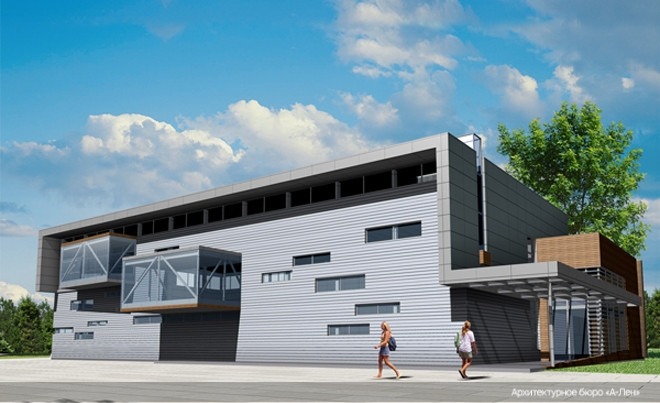
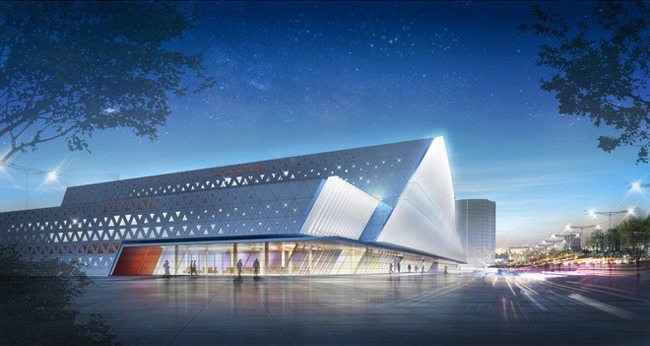
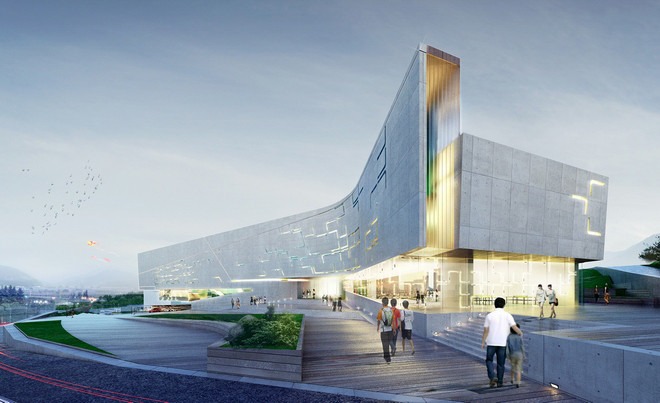
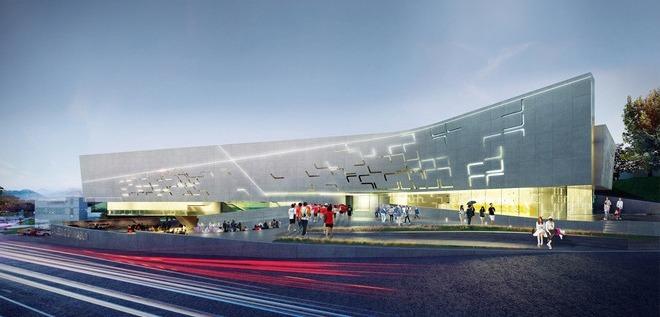
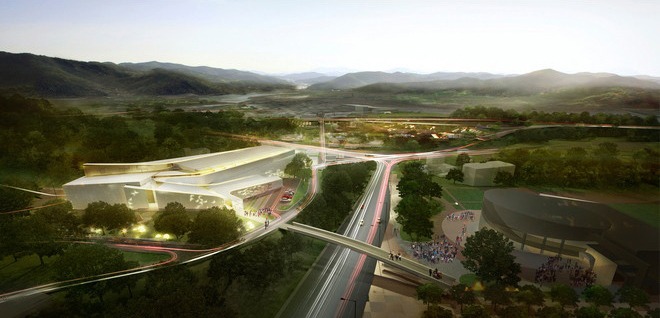
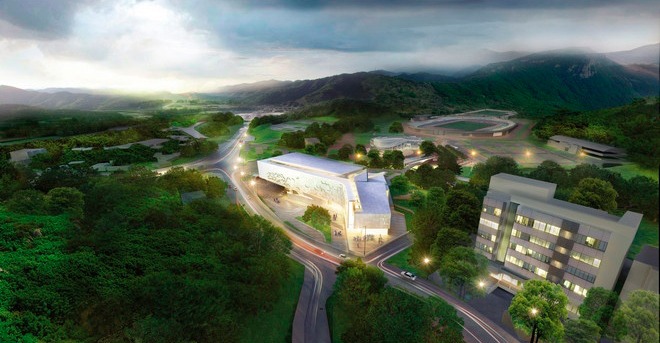
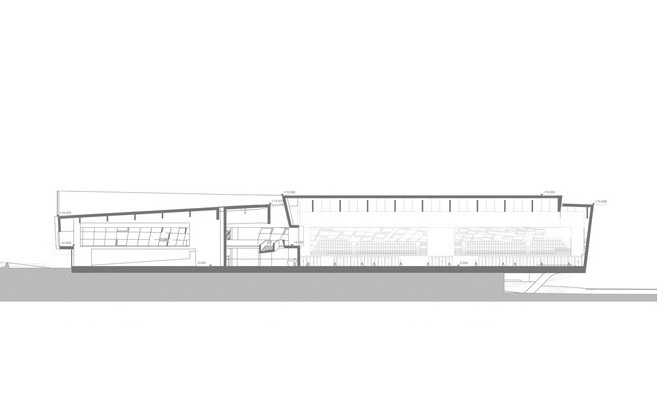
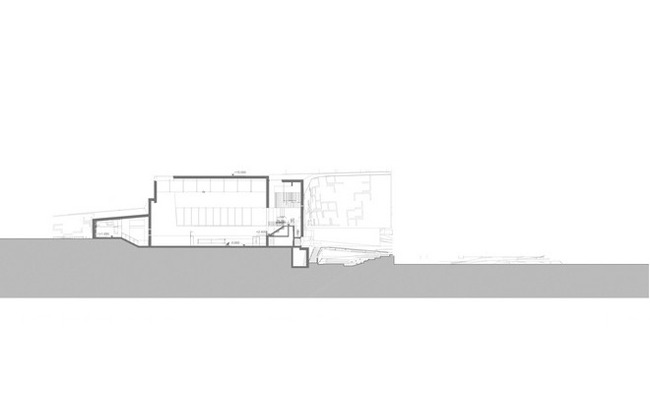
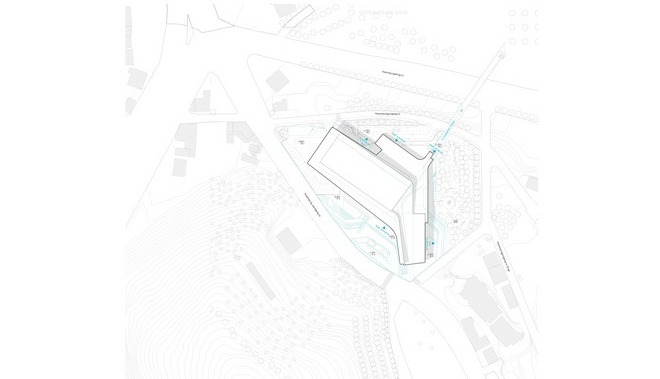
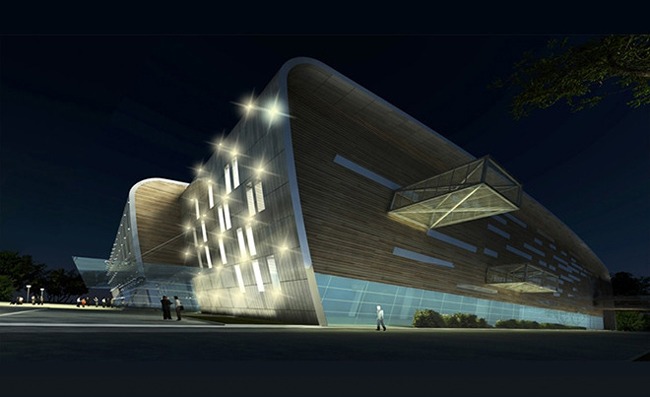
Just as dramatic plastique and bravery of form is demonstrated by the project of a sports complex that the company did in 2014 for Korea’s province of Daegu – right about the time when the construction of the SKA complex began in Saint Petersburg. There are a few things that these two projects have in common: the bravery of form, which is felt in the SKA interior, “spills over” in the Korean project, splashing out on the façades that are subjugated, as the architects explain, to the context of the axes “of the city fabric that was formed under the influence of the natural terrain in this area”. The elongated volume is bent at an angle, and covered with slits of the windows that look a bit like hieroglyphics. In the point where the wings of the building come together – one is meant for competitions and show performances, the other for regular daily practice – there is an open-air amphitheater and a public territory, upon which the architects were planning to keep the existing trees.
-
 1 / 7The project of a sports complex for the district of Dalseong-gun, Daegu, South KoreaCopyright: © A-Len
-
 2 / 7The project of a sports complex for the district of Dalseong-gun, Daegu, South KoreaCopyright: © A-Len
-
 3 / 7The project of a sports complex for the district of Dalseong-gun, Daegu, South KoreaCopyright: © A-Len
-
 4 / 7The project of a sports complex for the district of Dalseong-gun, Daegu, South KoreaCopyright: © A-Len
-
 5 / 7The project of a sports complex for the district of Dalseong-gun, Daegu, South KoreaCopyright: © A-Len
-
 6 / 7The project of a sports complex for the district of Dalseong-gun, Daegu, South KoreaCopyright: © A-Len
-
 7 / 7The project of a sports complex for the district of Dalseong-gun, Daegu, South KoreaCopyright: © A-Len







The Development of the Typology
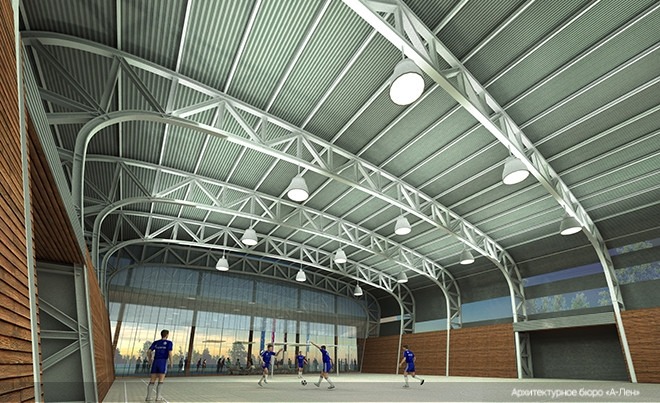
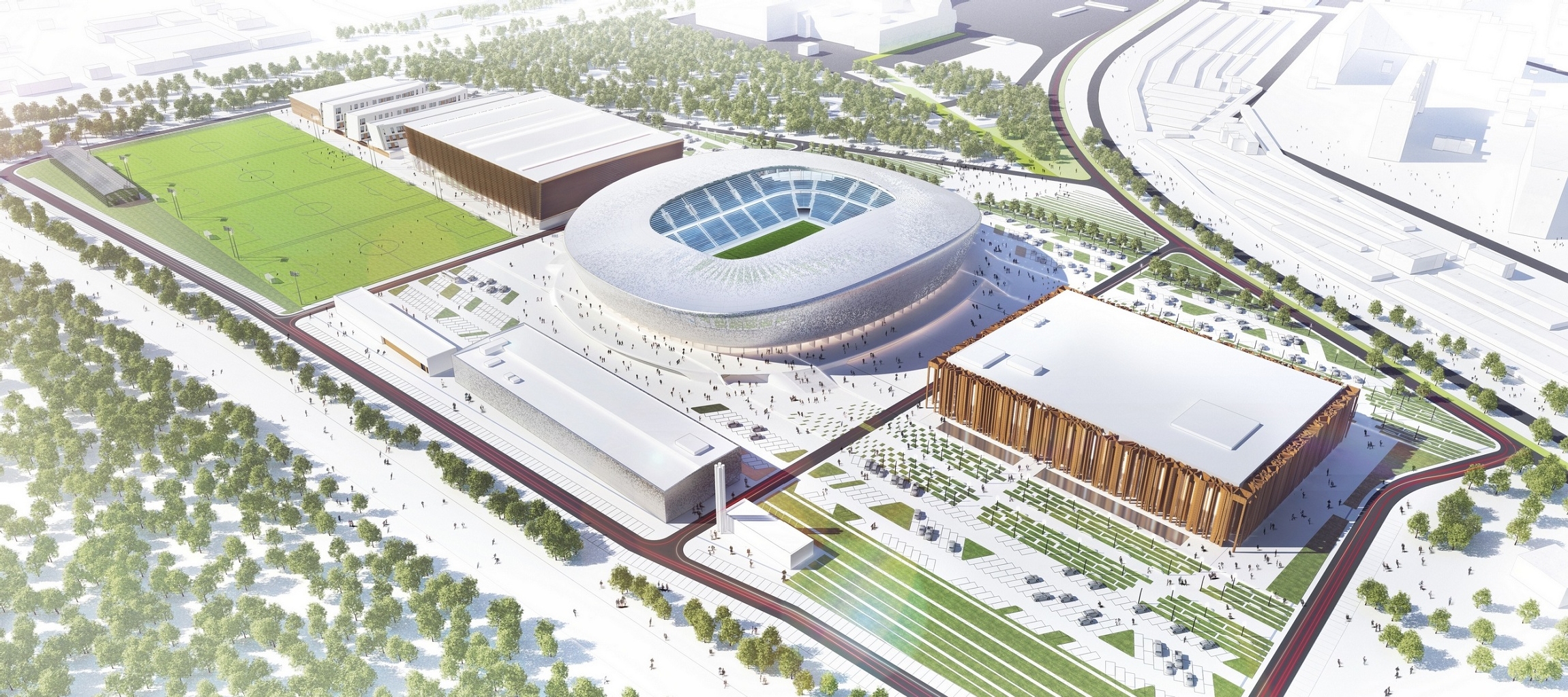
Just as imposing is the project of the Sports facilities complex of the Children and Youth Football Academy of FC “Zenit” in the Frunzensky District, 2016, designed to accommodate for 600 students under twenty years of age. Its center is essentially a fully-fledged arena for performances by youth sports teams, a few practice facilities flanking it on either side. The ornamented streamlined sides of the arena are designed in the same neo-modernist trend as the previous projects.
-
 1 / 5The complex of sports facilities for the children and youth Football Academy of FC “Zenit” © A-Len
-
 2 / 5The complex of sports facilities for the children and youth Football Academy of FC “Zenit” © A-Len
-
 3 / 5The complex of sports facilities for the children and youth Football Academy of FC “Zenit” © A-Len
-
 4 / 5The complex of sports facilities for the children and youth Football Academy of FC “Zenit” © A-Len
-
 5 / 5The complex of sports facilities for the children and youth Football Academy of FC “Zenit” © A-Len




It must be noted that Sergey Oreshkin has been collaborating with Zenith Football Club for quite some time: in 2008, he developed the project of a the Educational and Training Center of Zenith Football Club situated in the Leningrad region, also not devoid of a brave façade curve and daring cantilevered structures.

«Zenit» Football Club – Educational & Training Center. Project, 2008
Copyright: © A-Len
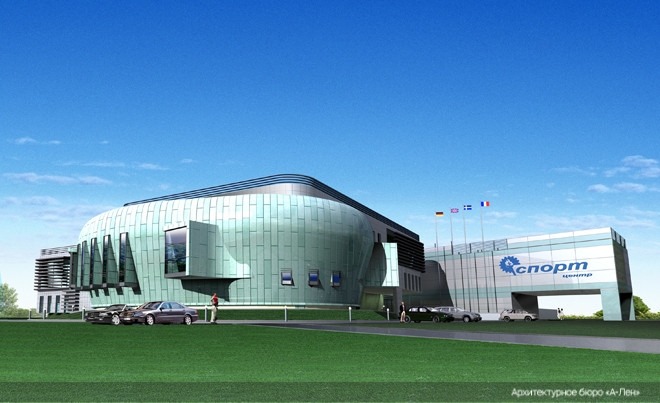
But then again, the recent projects of sports complexes, designed by this company, also keep up this theme. The dynamic design of the swimming pool complex in the city of Tula resembles the first version of the SKA project 2012, the one with a chamfered façade. The elongated stained glass windows commanding fine views of the surroundings are encased in wide chamfers that make the volume look shapely and truly impressive.
-
 1 / 9Multifunctional sports complex with a swimming pool in Tula © A-Len
-
 2 / 9Multifunctional sports complex with a swimming pool in Tula © A-Len
-
 3 / 9Multifunctional sports complex with a swimming pool in Tula © A-Len
-
 4 / 9Multifunctional sports complex with a swimming pool in Tula © A-Len
-
 5 / 9Multifunctional sports complex with a swimming pool in Tula © A-Len
-
 6 / 9Multifunctional sports complex with a swimming pool in Tula © A-Len
-
 7 / 9Multifunctional sports complex with a swimming pool in Tula © A-Len
-
 8 / 9Multifunctional sports complex with a swimming pool in Tula © A-Len
-
 9 / 9Multifunctional sports complex with a swimming pool in Tula © A-Len


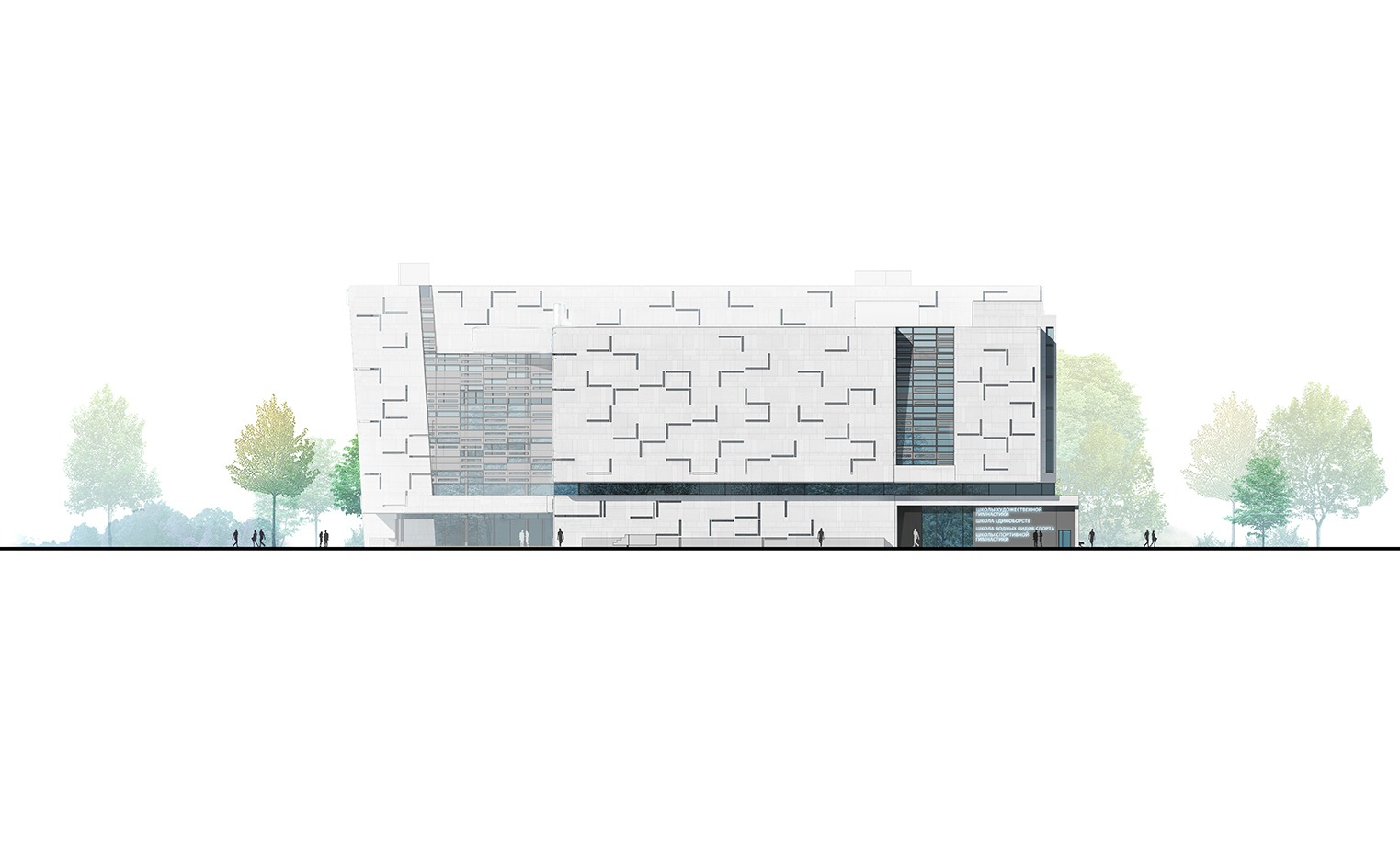
The same principles are developed by the project of Akademiya sports complex in Voronezh: the same grand-scale shape, chamfers of the façade surfaces (which look as if they were examining the surroundings and reflecting them in the bands of their stained glass windows, at the same time letting in the natural light and the surrounding scenery. The specialty of the two volumes also manifests itself through their composition: the minor triangular volume hosts fitness, tennis, carting, and other kinds of sports for the residents of the surrounding houses, while the main wing contains spectator stalls and swimming pools for professional championships. The ornamental approach – the light-colored surfaces covered with a stylized pattern, and the dark-colored ones alternating glasses and shutters – this is reminiscent of the Korean project and the first version of SKA. In some of its parts, the building is five stories high.
-
 1 / 7The project of the Akademiya sports complex, 2017Copyright: © A-Len
-
 2 / 7The project of the Akademiya sports complex, 2017Copyright: © A-Len
-
 3 / 7The project of the Akademiya sports complex, 2017Copyright: © A-Len
-
 4 / 7The project of the Akademiya sports complex, 2017Copyright: © A-Len
-
 5 / 7The project of the Akademiya sports complex, 2017Copyright: © A-Len
-
 6 / 7The project of the Akademiya sports complex, 2017Copyright: © A-Len
-
 7 / 7The project of the Akademiya sports complex, 2017Copyright: © A-Len




Multifunctional
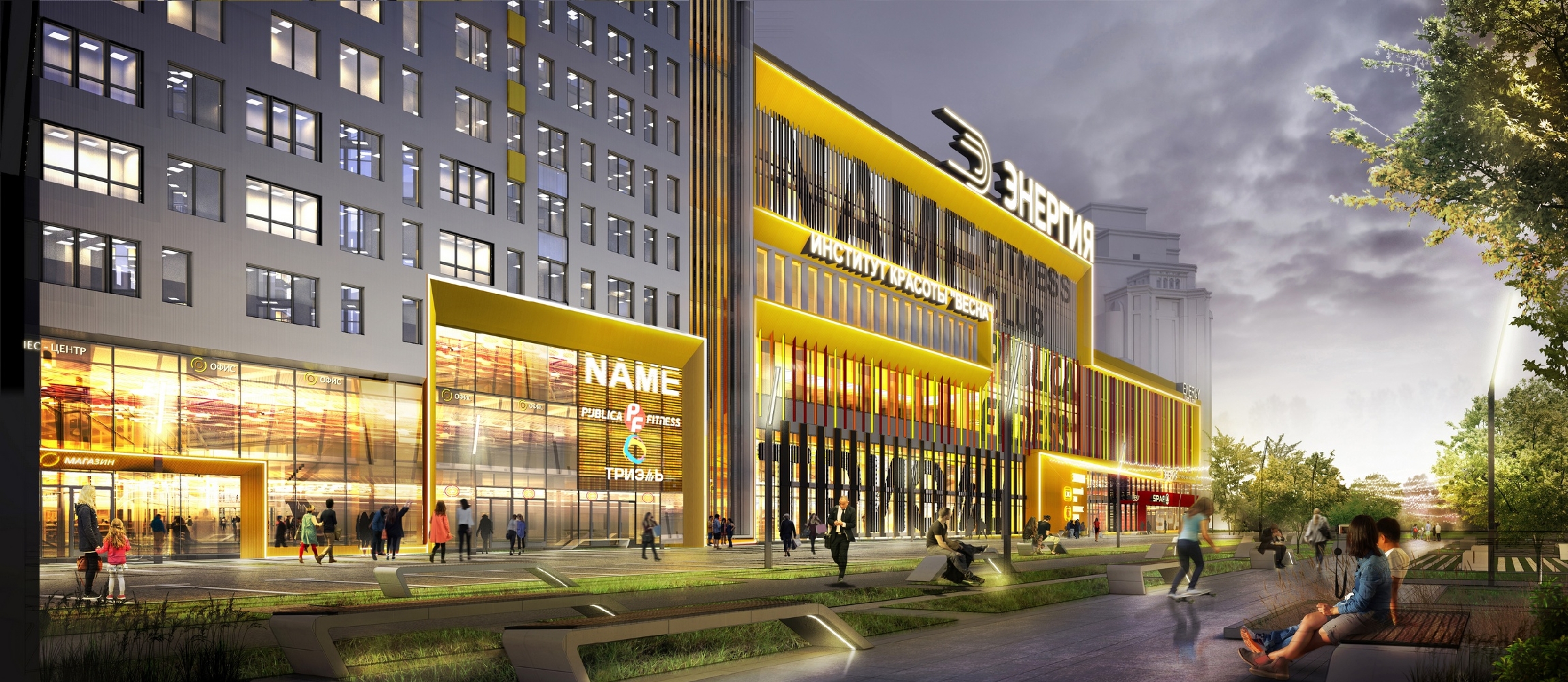
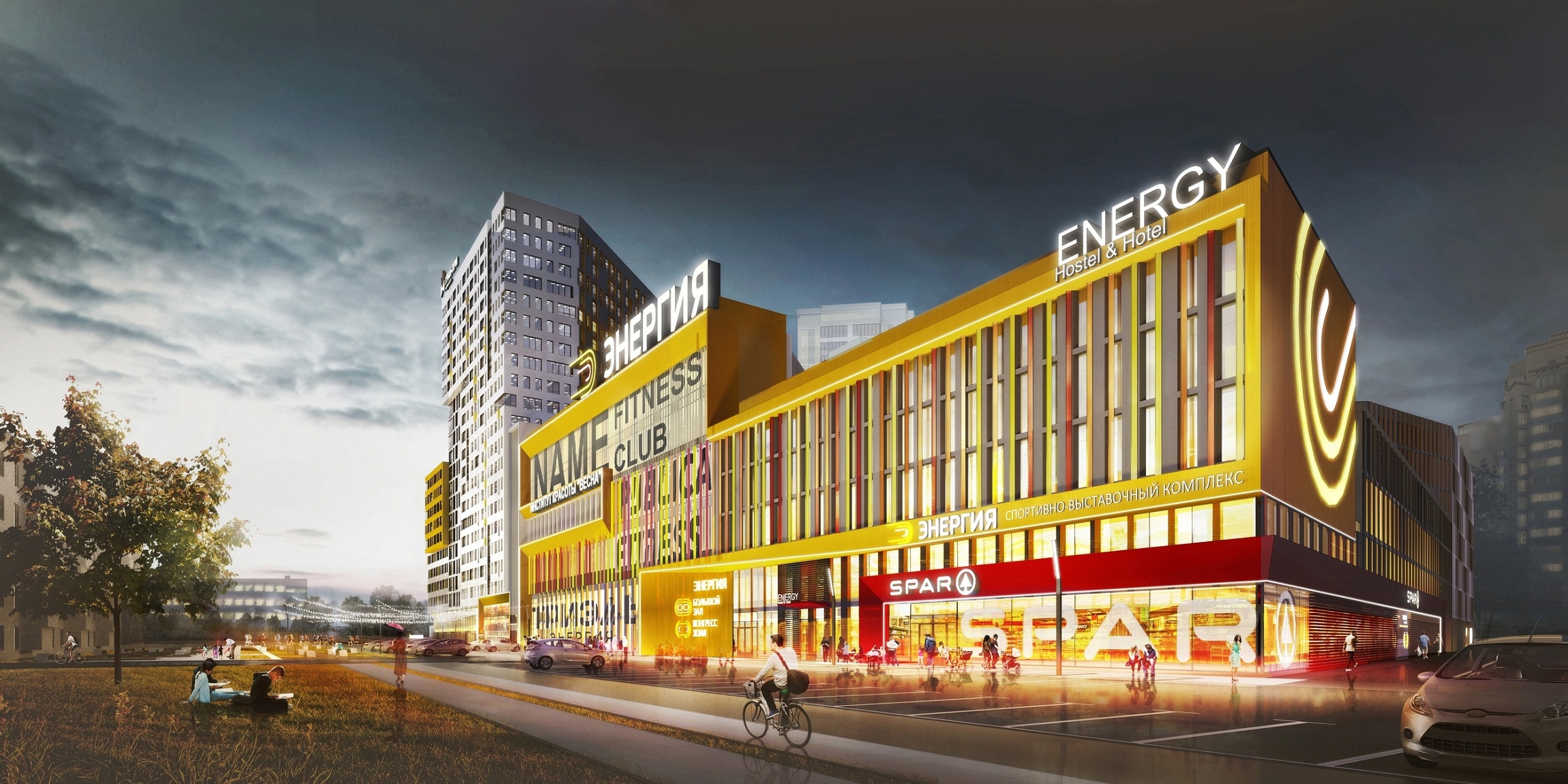
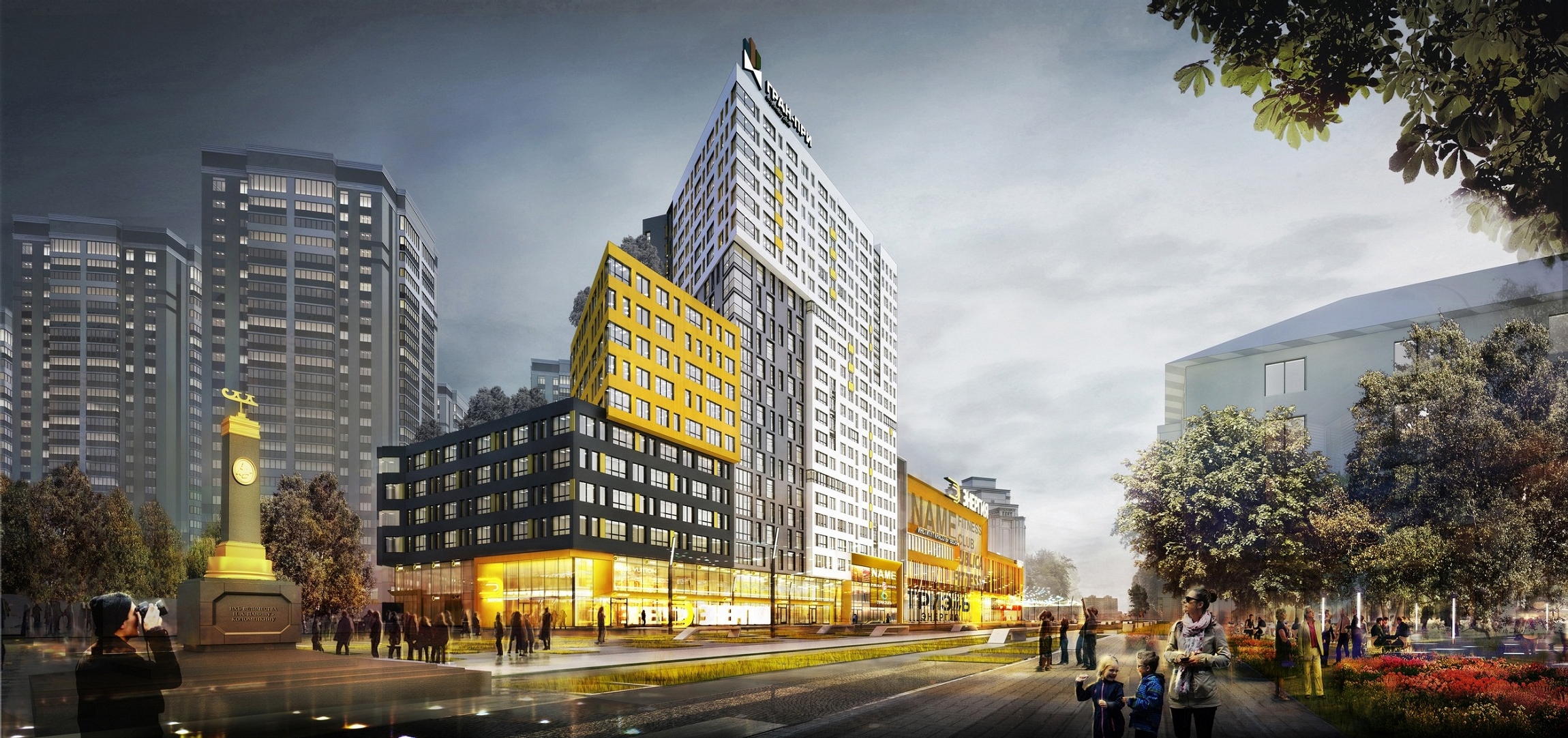
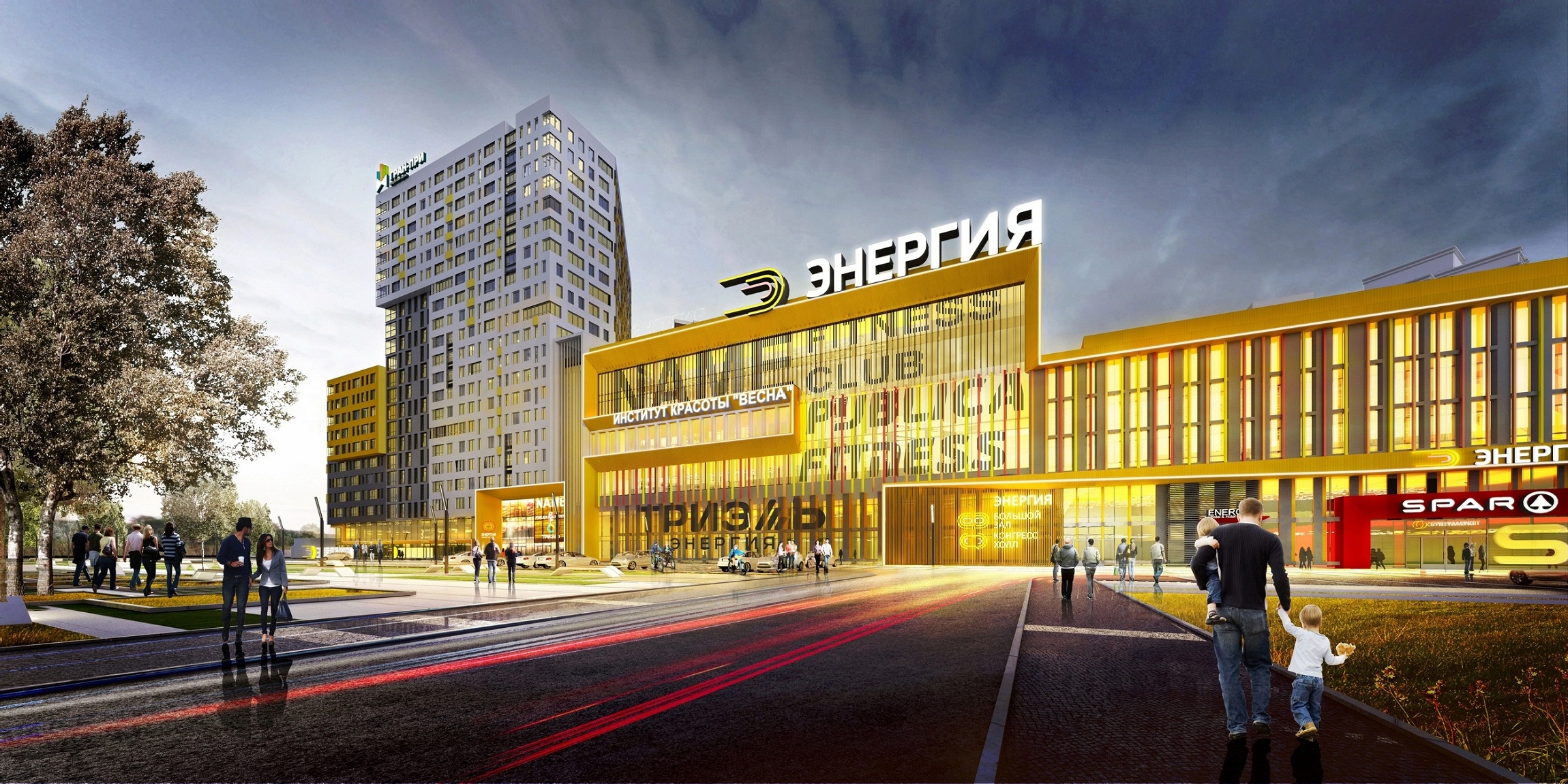
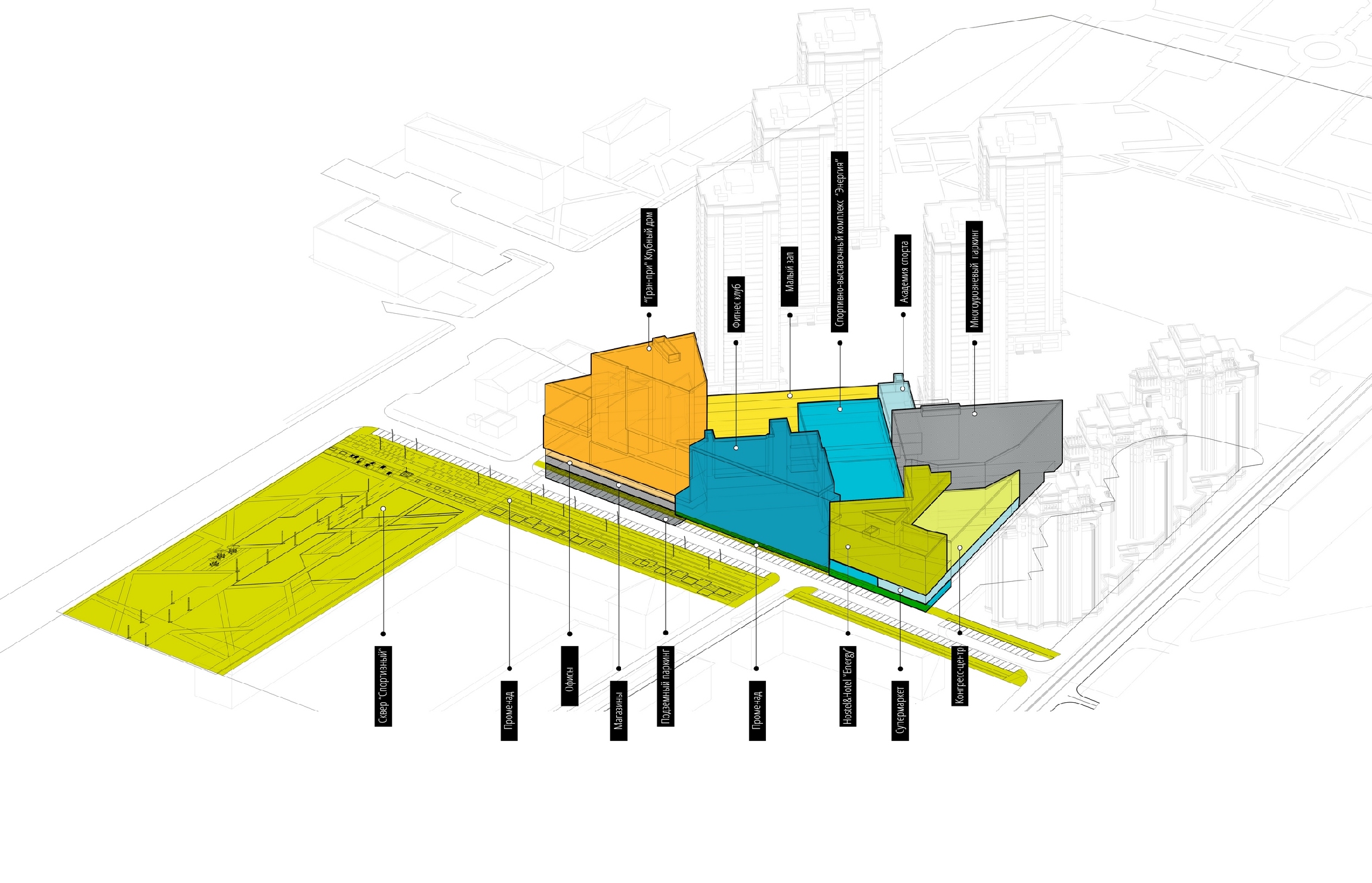
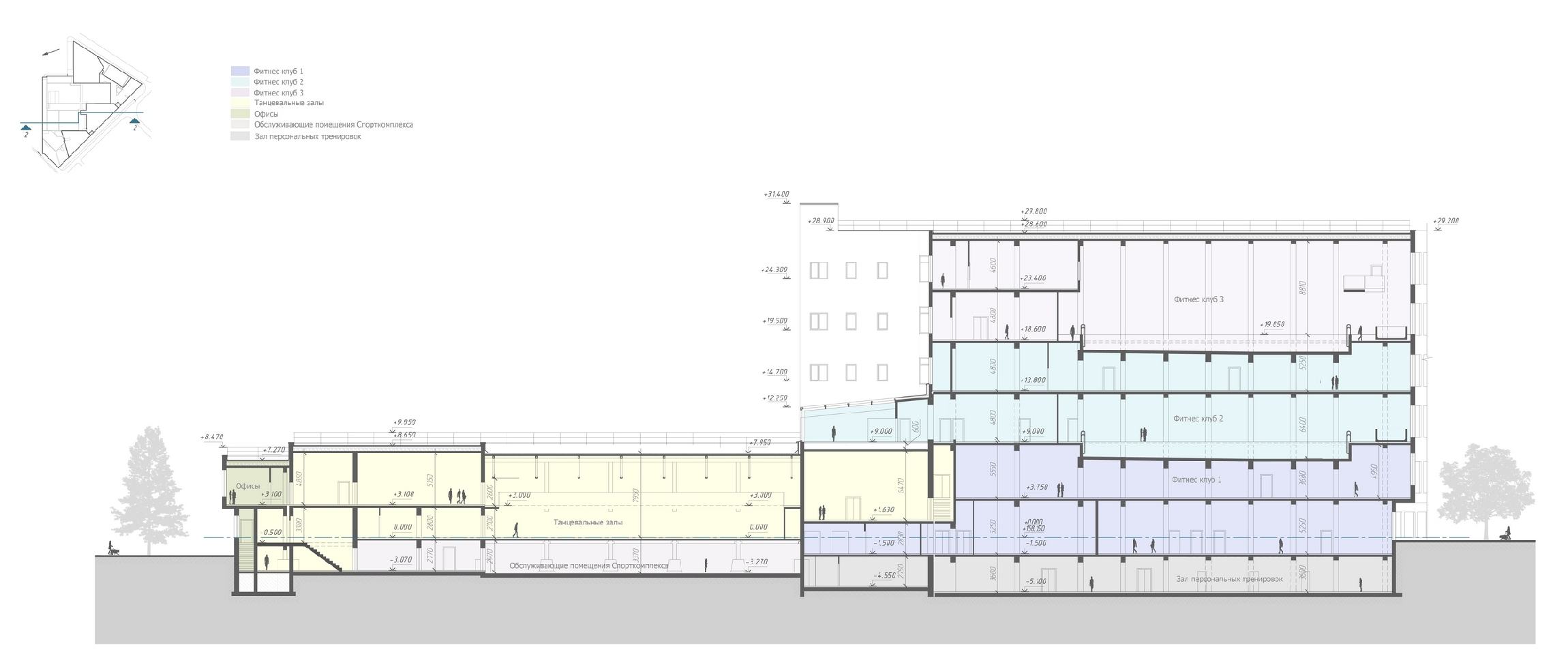
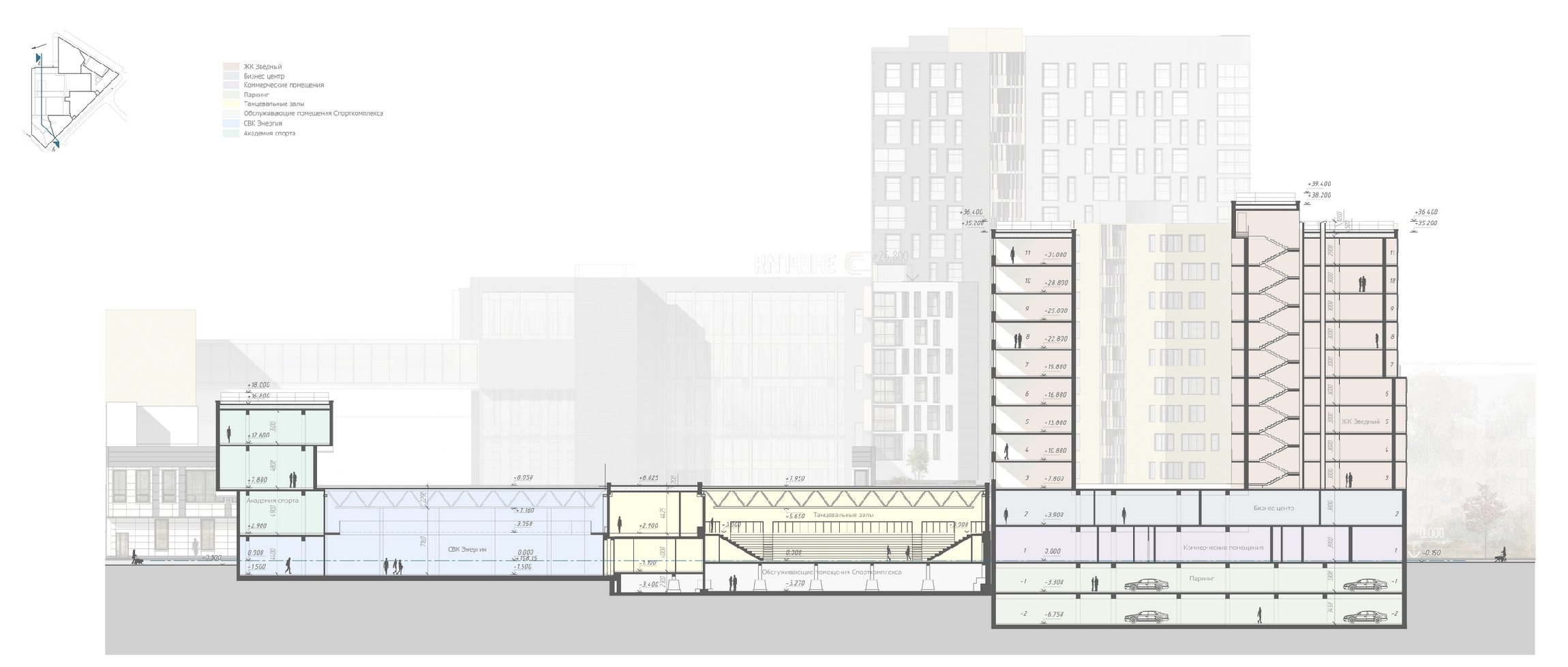
A very important skill that an architect must possess is the ability to conjure different functions, introducing them into the building that he designs, sometimes joining them together like a volumetric puzzle game, which was precisely the case with the mixed-use complex “Energiya” in Voronezh. This project involved the task of both preserving and reconstructing the building of the complex that was built back in the 1980’s but never opened its doors – after the renovation, the late-Soviet project will contain, in addition to the “sports” nucleus, a housing part, a hotel, shops, and a convention center – in a word, it will become a miniature city, in which one will be able to spend a lot of time without having to go outside.
-
 1 / 8Multifunctional complex "Five Stars". Birds-eye view © A.Len
-
 2 / 8Multifunctional complex "Five Stars" © A.Len
-
 3 / 8Multifunctional complex "Five Stars" © A.Len
-
 4 / 8Multifunctional complex "Five Stars" © A.Len
-
 5 / 8Multifunctional complex "Five Stars" © A.Len
-
 6 / 8THe structure of the multifunctional complex "Five Stars" © A.Len
-
 © A.Len") 7 / 8Multifunctional complex "Five Stars". Lateral section view (along the Moiseeva Street) © A.Len
7 / 8Multifunctional complex "Five Stars". Lateral section view (along the Moiseeva Street) © A.Len
-
 © A.Len") 8 / 8Multifunctional complex "Five Stars". Longitudinal section view (along the "Sports" park) © A.Len
8 / 8Multifunctional complex "Five Stars". Longitudinal section view (along the "Sports" park) © A.Len









Diversity
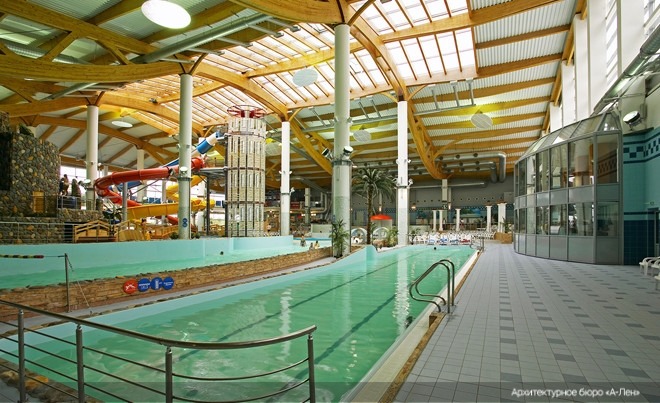
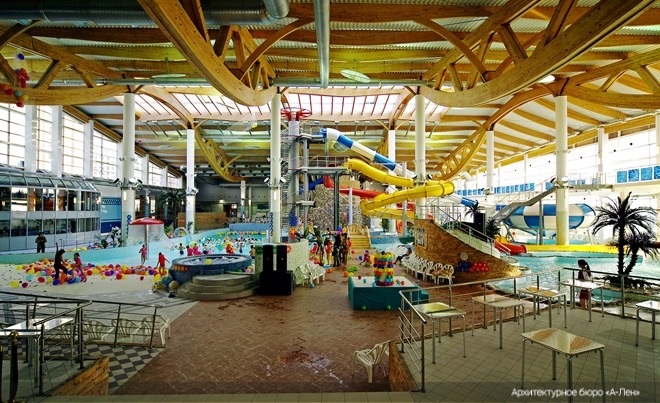
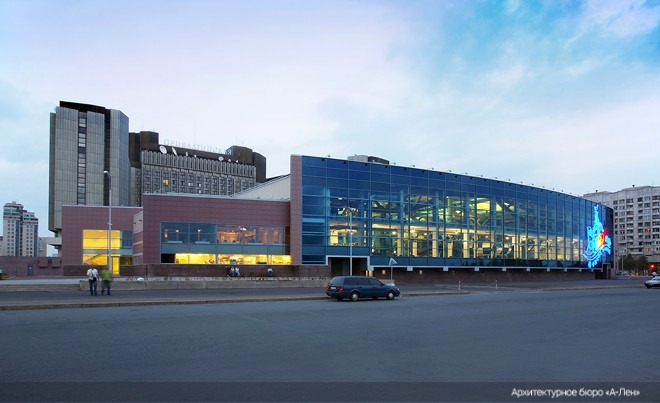
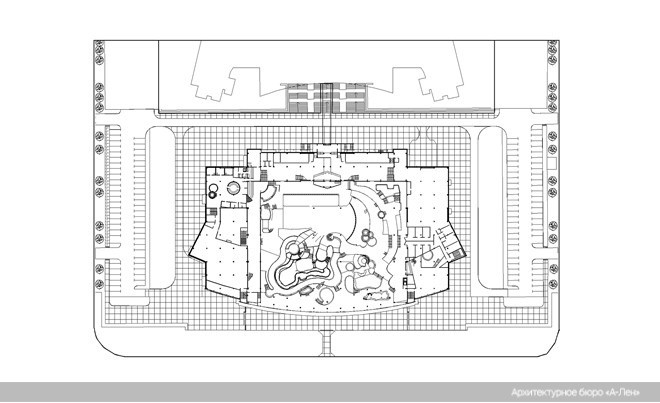
Meanwhile, there are lots of extremely different kinds of sports out there. For example, A-Len’s portfolio includes a golf club layout and a project of a mountain hiking center in Sochi. The Waterville Aquapark in Pribaltiyskaya Hotel demonstrates a truly impressive scale and curvilinear construction of the ceiling made of glued wood, built on the girder principle. The designing and building experience was used by the architects when working on the water parks in Yaroslavl and Nizhny Novgorod.
-
 1 / 5Waterville aquapark, construction, 2004-2006Copyright: © A-Len
-
 2 / 5Waterville aquapark, construction, 2004-2006Copyright: © A-Len
-
 3 / 5Waterville aquapark, construction, 2004-2006Copyright: © A-Len
-
 4 / 5Waterville aquapark, construction, 2004-2006Copyright: © A-Len
-
 5 / 5Waterville aquapark, construction, 2004-2006Copyright: © A-Len






Sports for Living
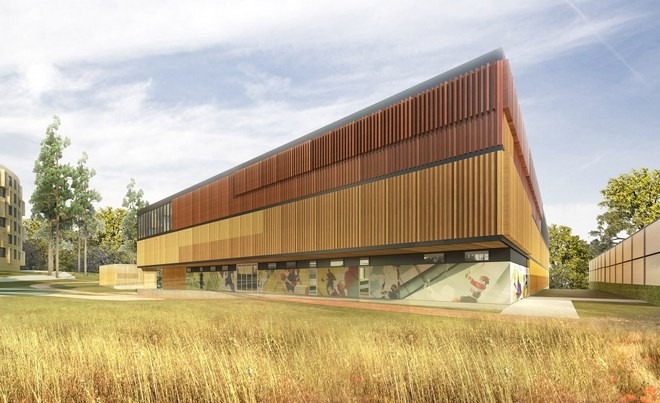
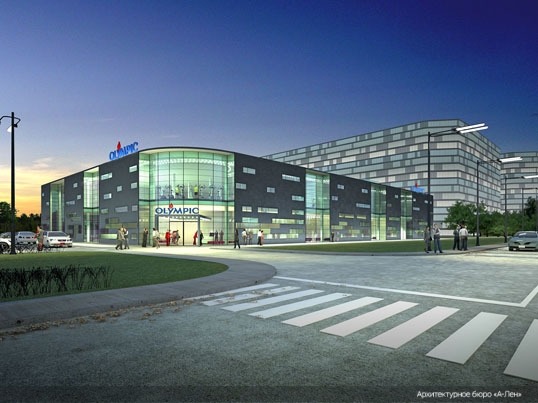
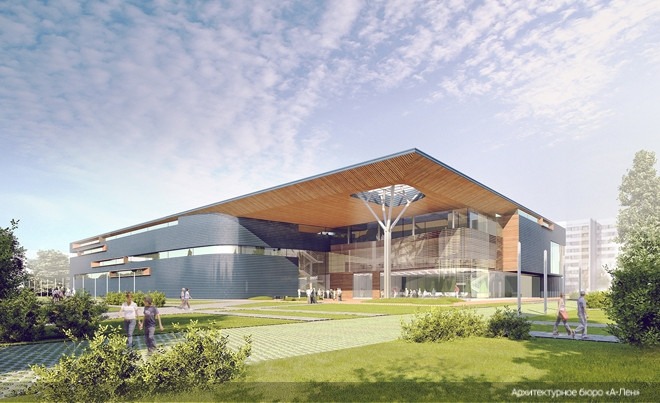
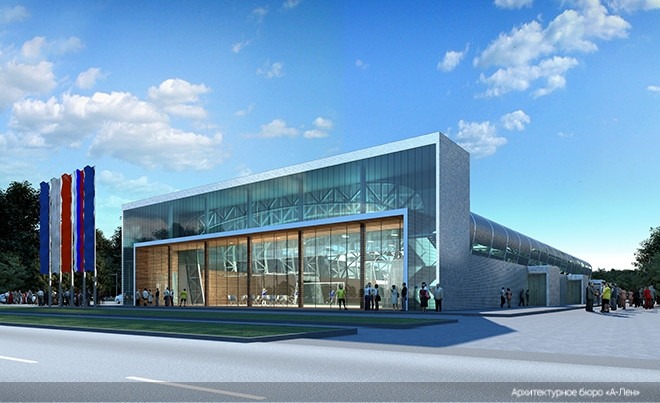
However, no large-scale stadiums would be needed, if it was not for the local sports complexes and clubs of a medium to small scale. It is these little clubs that account for the nation's health and for the fulfillment of the functional typology. However, regretful as it may be, oftentimes these facilities are built upon quite unassuming projects – but it is these small-scale buildings (which do not require any “star” architecture) that nevertheless oftentimes constitute the gravity center of the neighborhood, a place where usual people (not Olympians by any means) come to practice and meet one another. Children’s & Youth Sports Schools are very important in this sense, as well as Sports & Health Complexes. And it makes all the difference in the world when the project of such a building is custom-designed and thought out. A-Len has quite a lot of such projects in its portfolio, from the the Health and Fitness Center with Tennis Courts of 2006 at the Narodnogo Opolchenia Street, a project with a rather sophisticated sculptural shape and oxidized copper moldings on the façades, to the recently opened sports complex in Sochi.
-
 1 / 10Sports center in Sochi. Construction, 2015-2018Copyright: © A-Len
-
 2 / 10Sports center in Sochi. Construction, 2015-2018Copyright: © A-Len
-
 3 / 10Sports center in Sochi. Construction, 2015-2018Copyright: © A-Len
-
 4 / 10The project of a sports complex in the Kurortny District, Saint-Petersburg. Project, 2016Copyright: © A-Len
-
 5 / 10Fitness and health compex. Leningrad Region, Kudrovo Village, “New Okkerville” district. Project, 2012Copyright: © A-Len
-
 6 / 10Children’s & Youth Sports School. Premise 34, 35, 36, 36A, Apartment 26, Sosnovaya Polyana, St-Petersburg/ Veteranov Prospect & Letchik Pilutov Street intersection, St-PetersburgCopyright: © A-Len
-
 7 / 10Sports complex. Saint Petersburg, Metallistov Avenue, 1. Project, 2010Copyright: © A-Len
-
 8 / 10Sports complex. Saint Petersburg, Metallistov Avenue, 1. Project, 2010Copyright: © A-Len
-
 9 / 10A multipurpose gym, project, 2017Copyright: © A-Len
-
 10 / 10Health and Fitness Centre with Tennis Courts, Bld.24, Narodnogo Opolcheniya Avenue, Saint-Petersburg. Project, 2006Copyright: © A-Len