
По-русски

Facing the waters

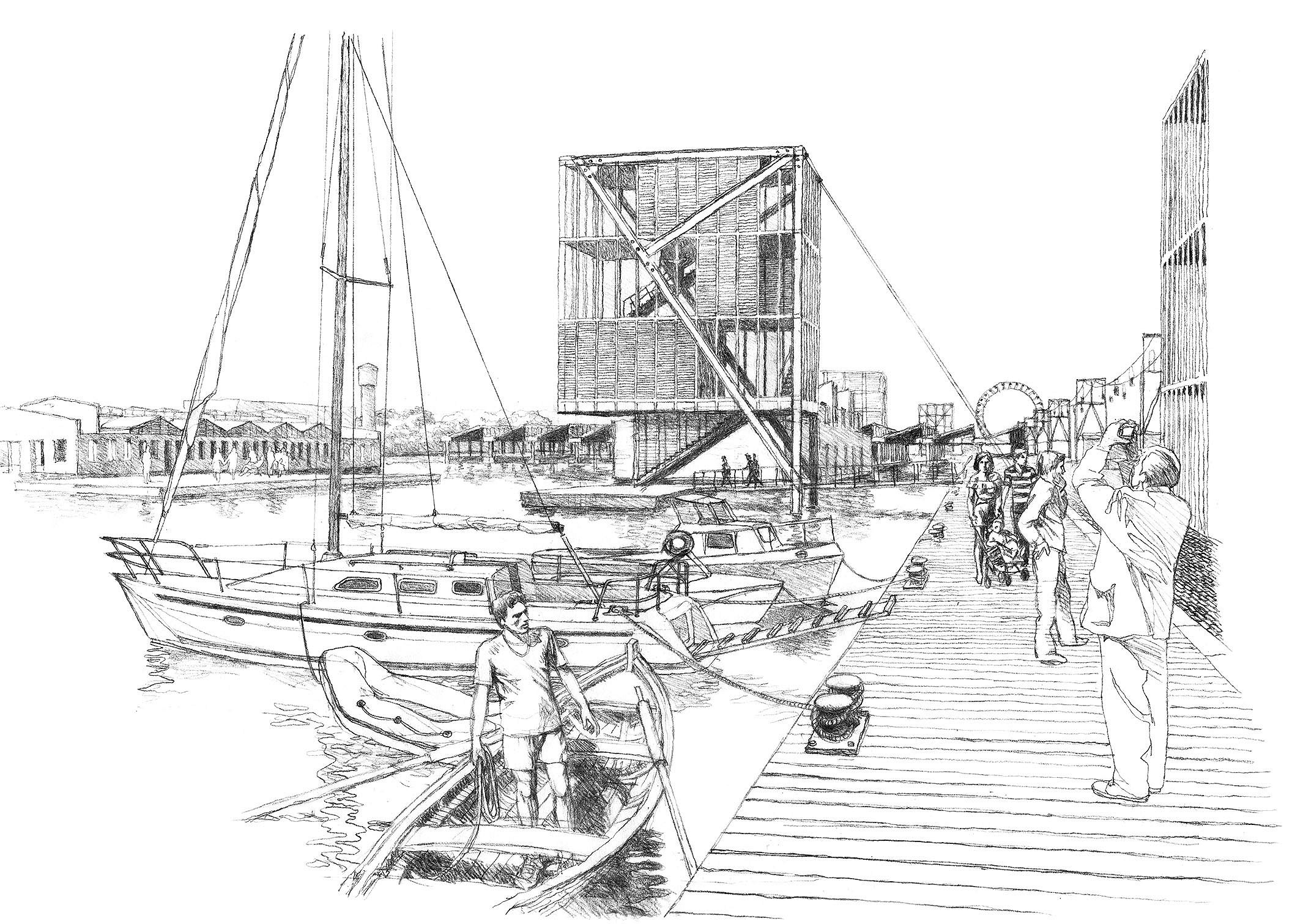
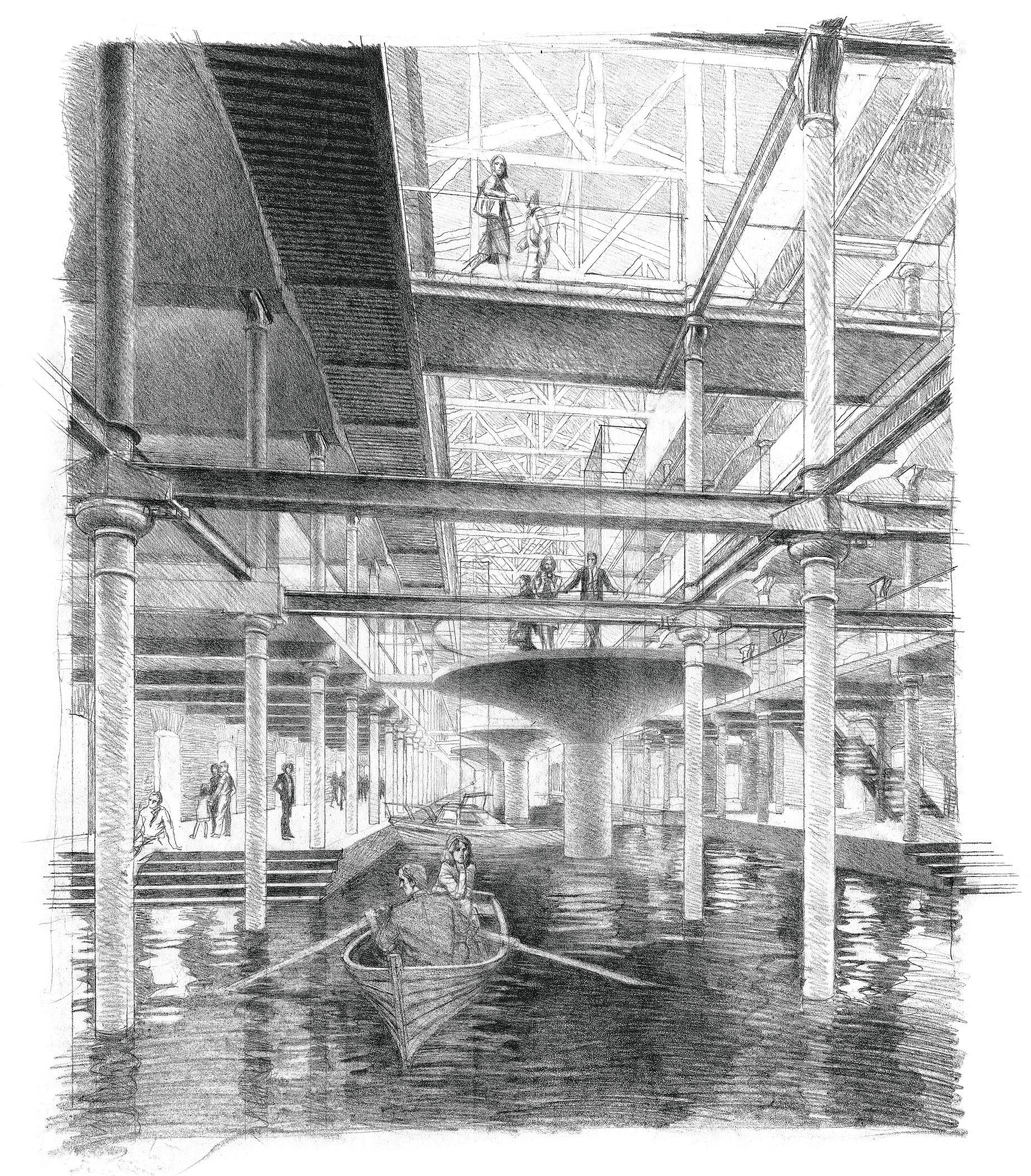
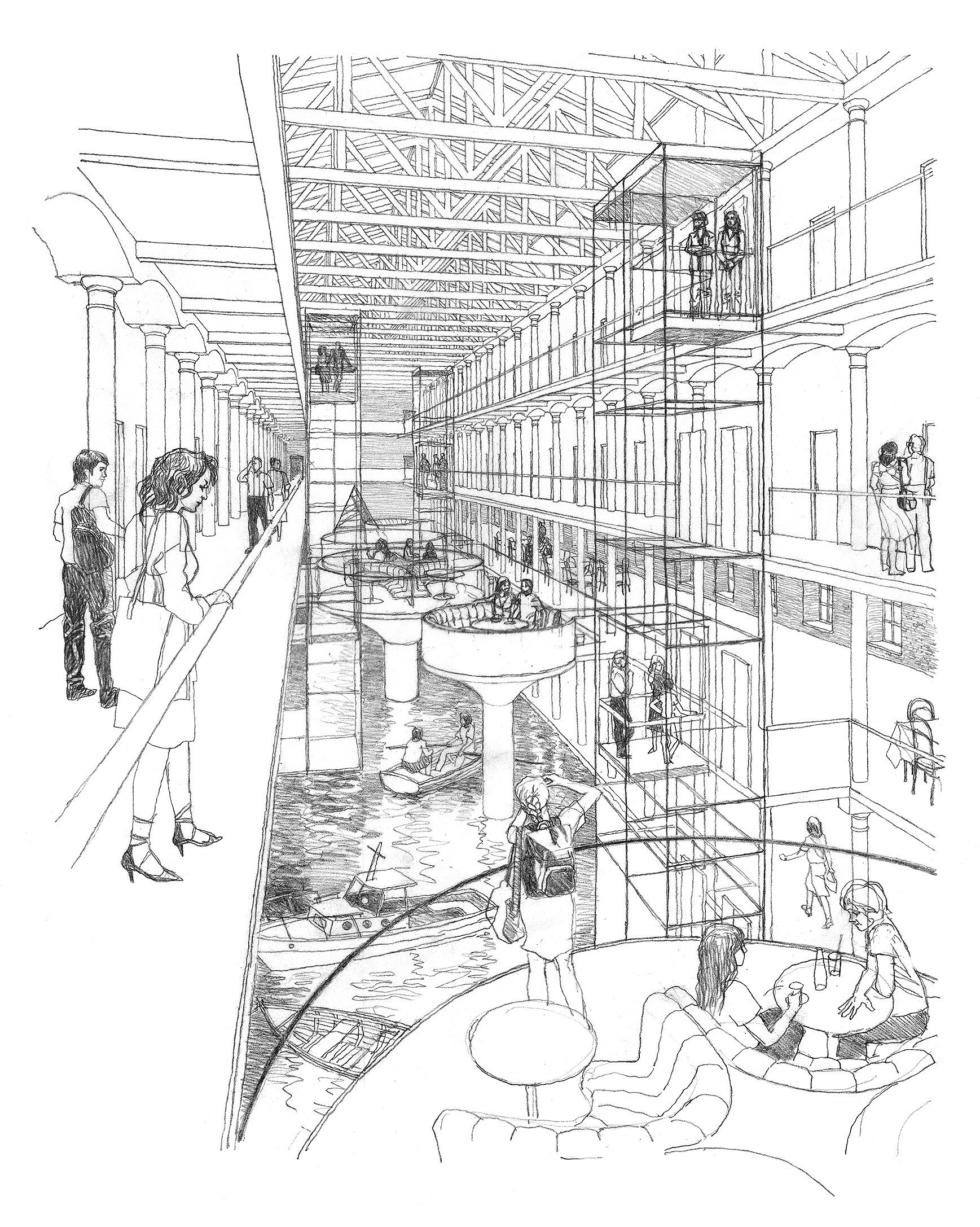
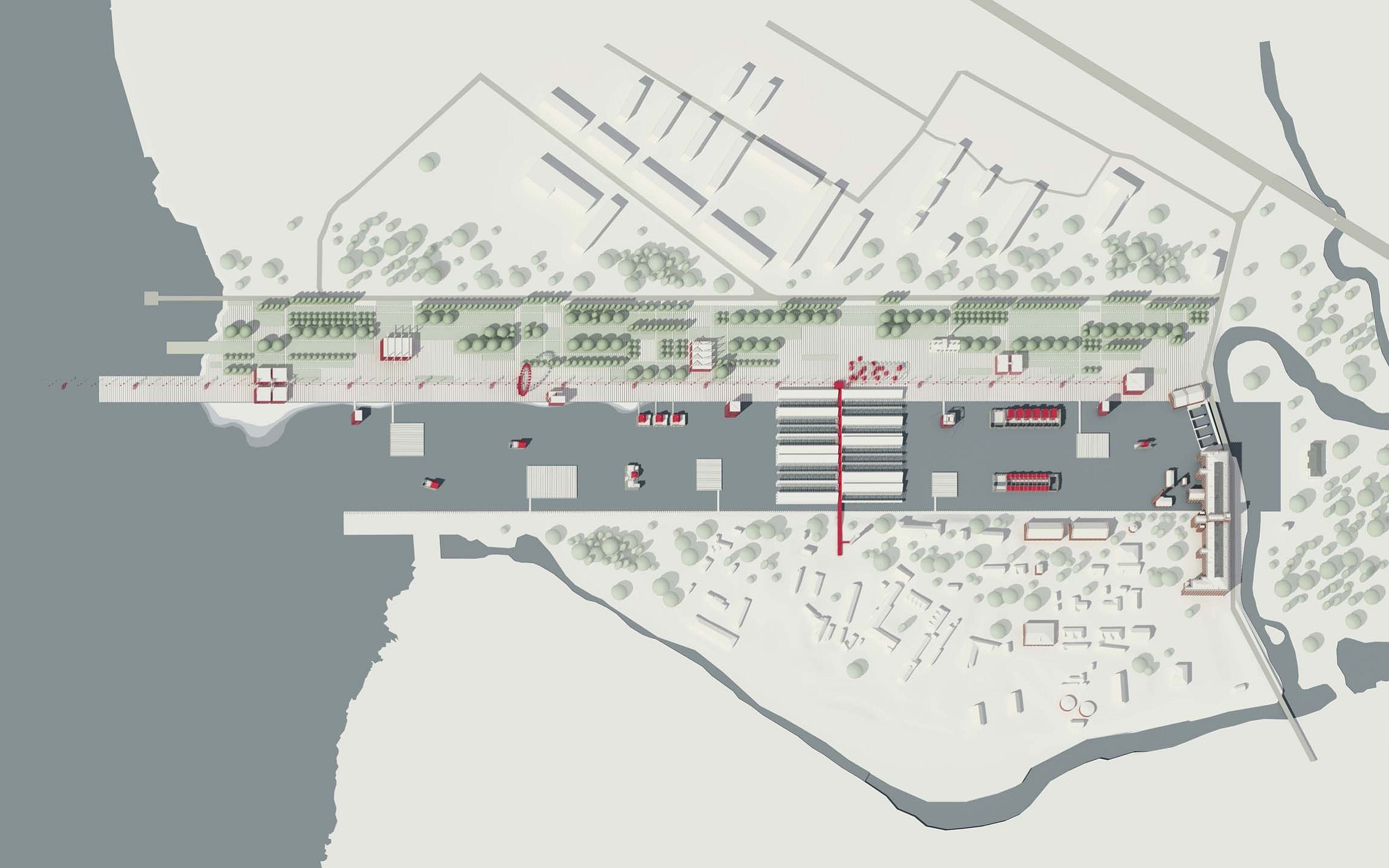
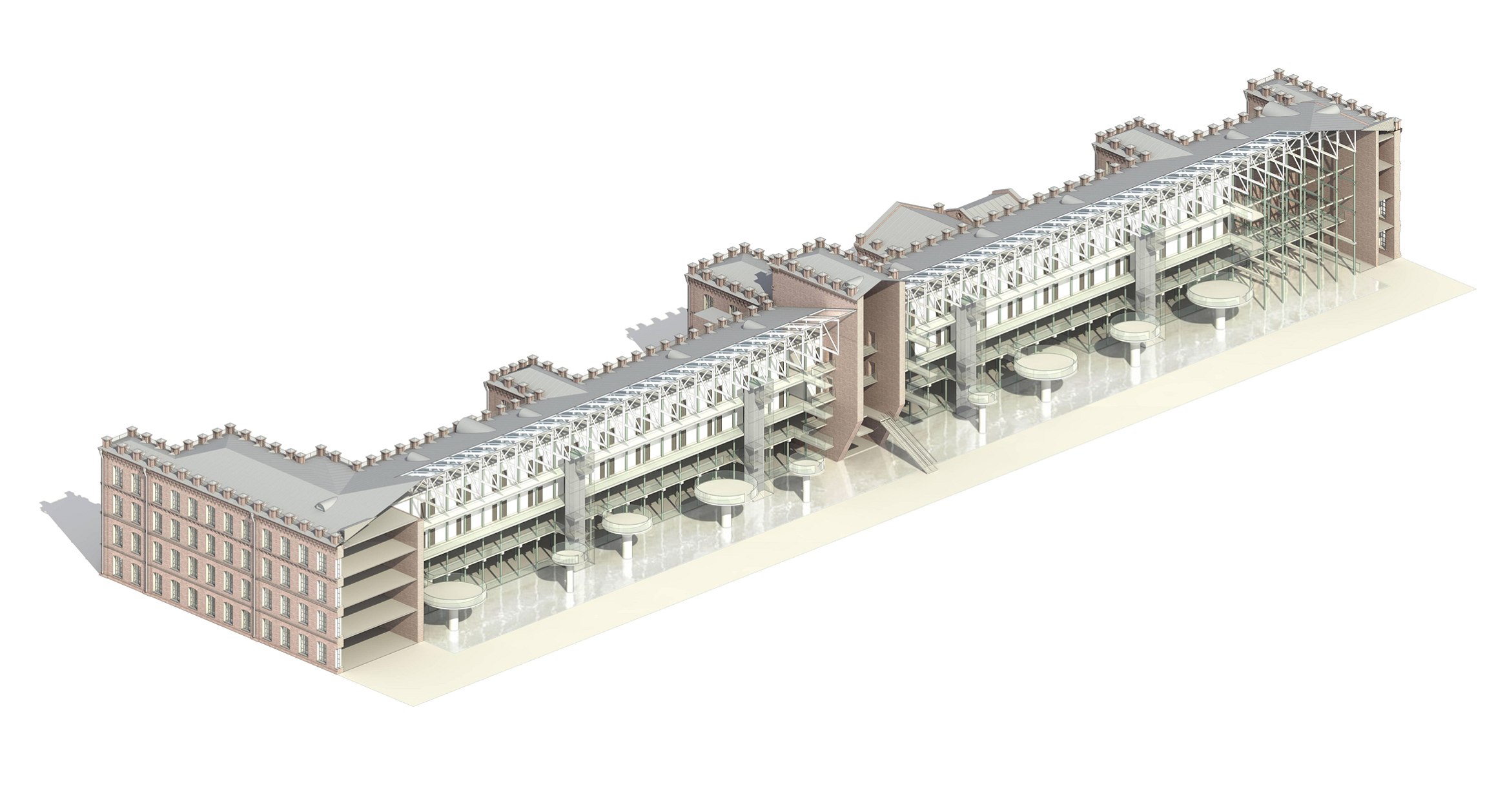
Within the "Russia Factory" project "Studio 44" was working on the regeneration concept of “Proletarsky Avangard”cotton factory. The architects connected its territory with the water system of Vyshny Volochyok by a new channel, after reconstruction the former production will turn into a small Venice.

04 September 2010
Object
mainImg
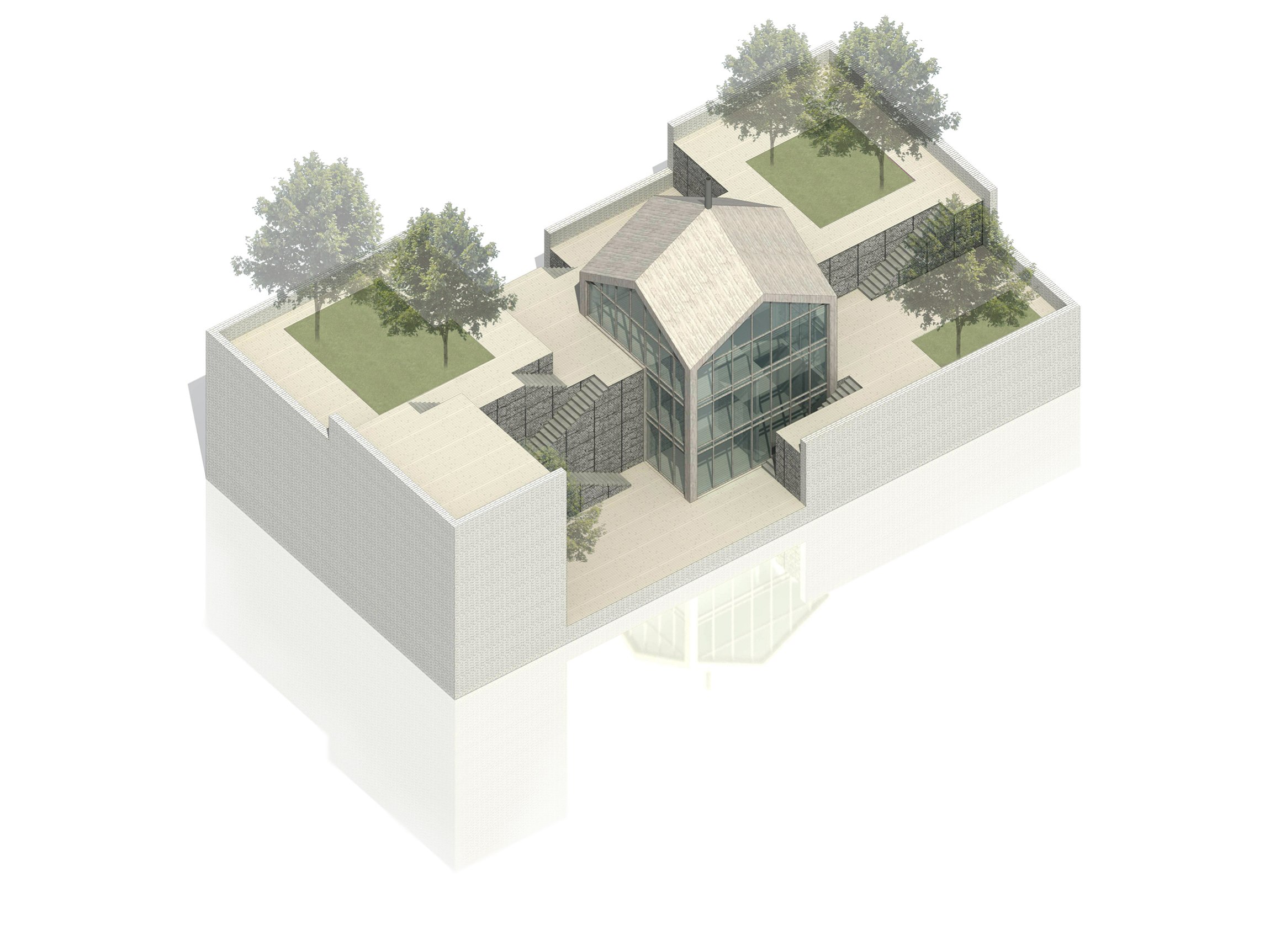
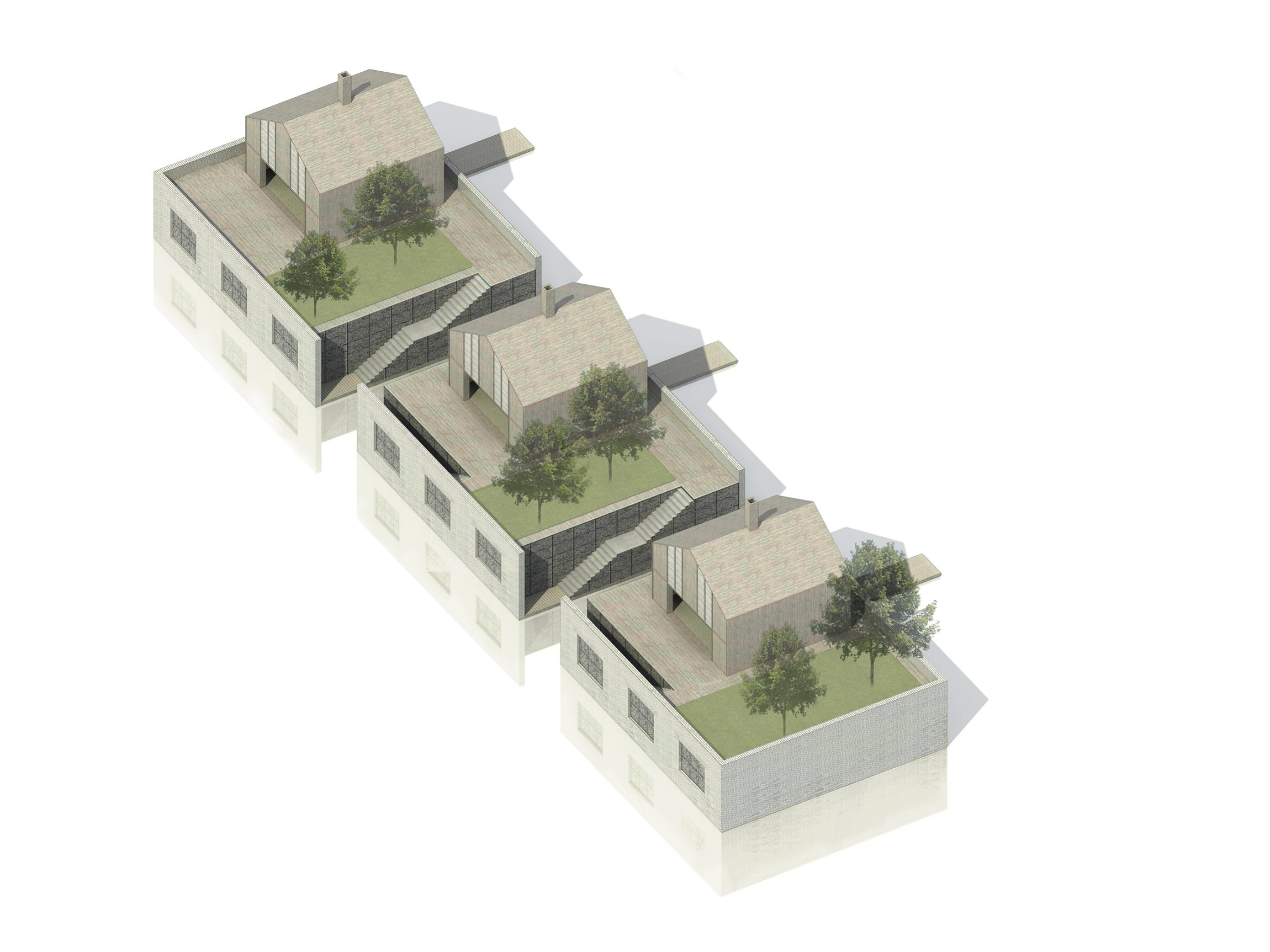
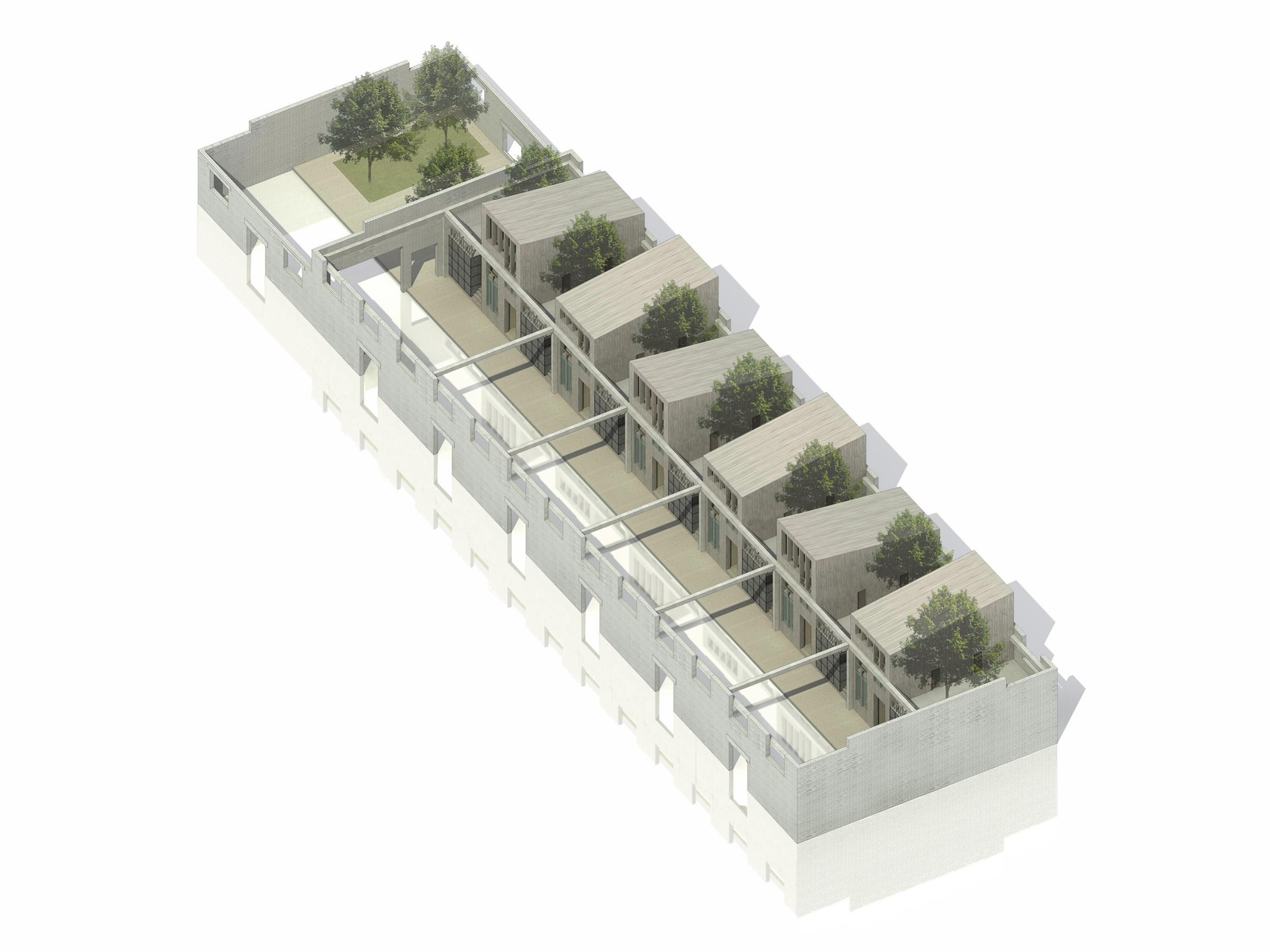
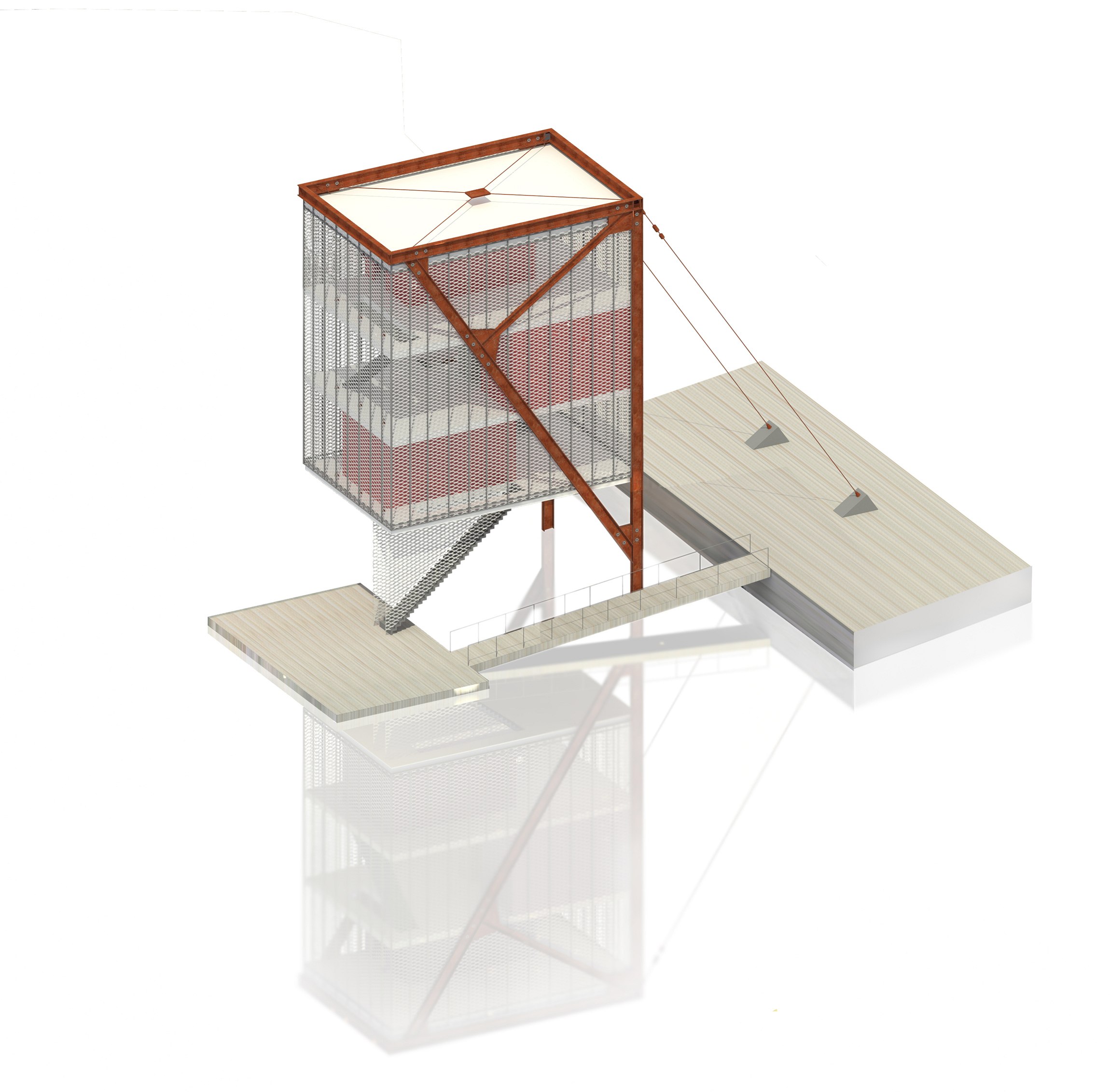
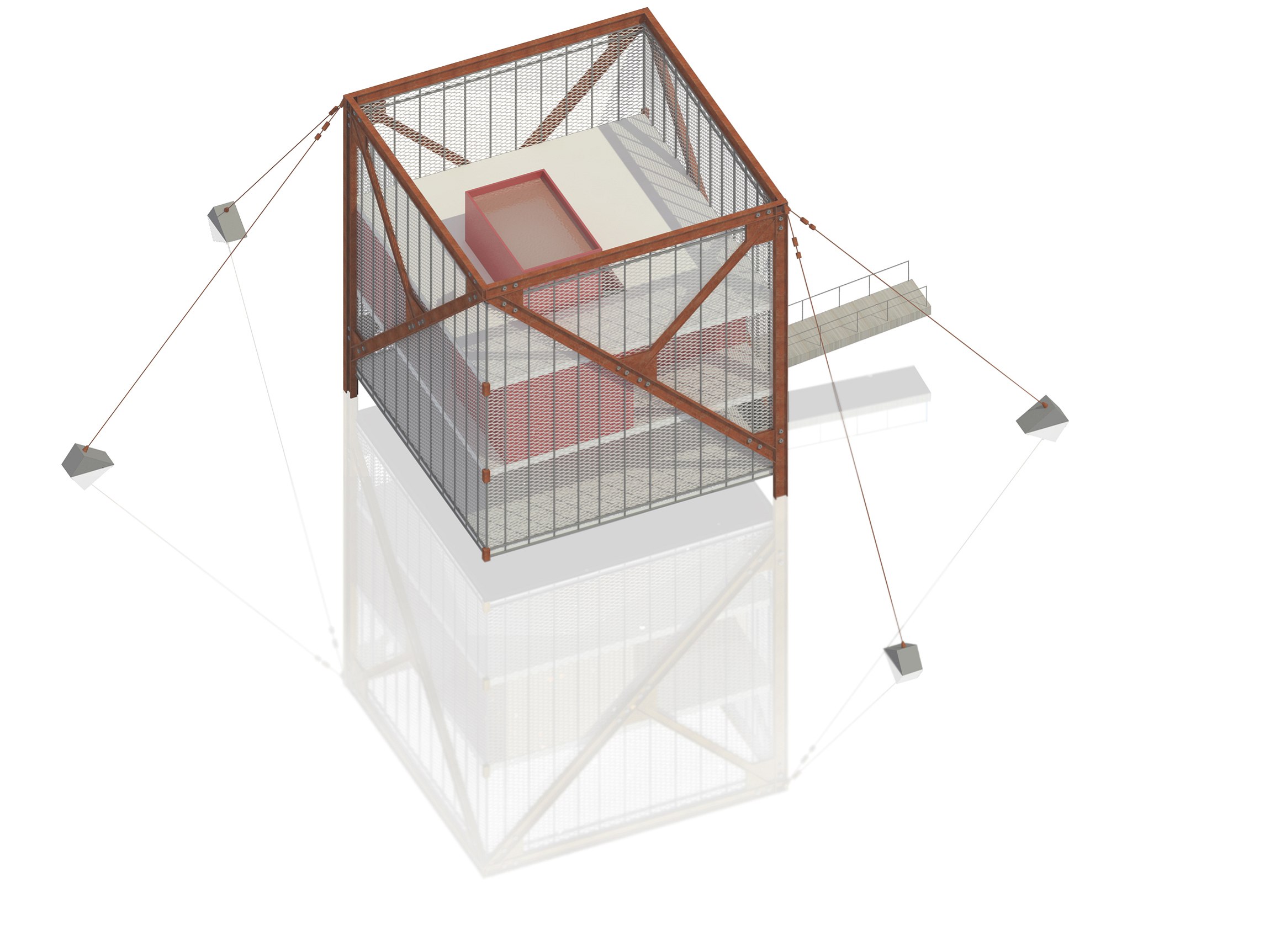
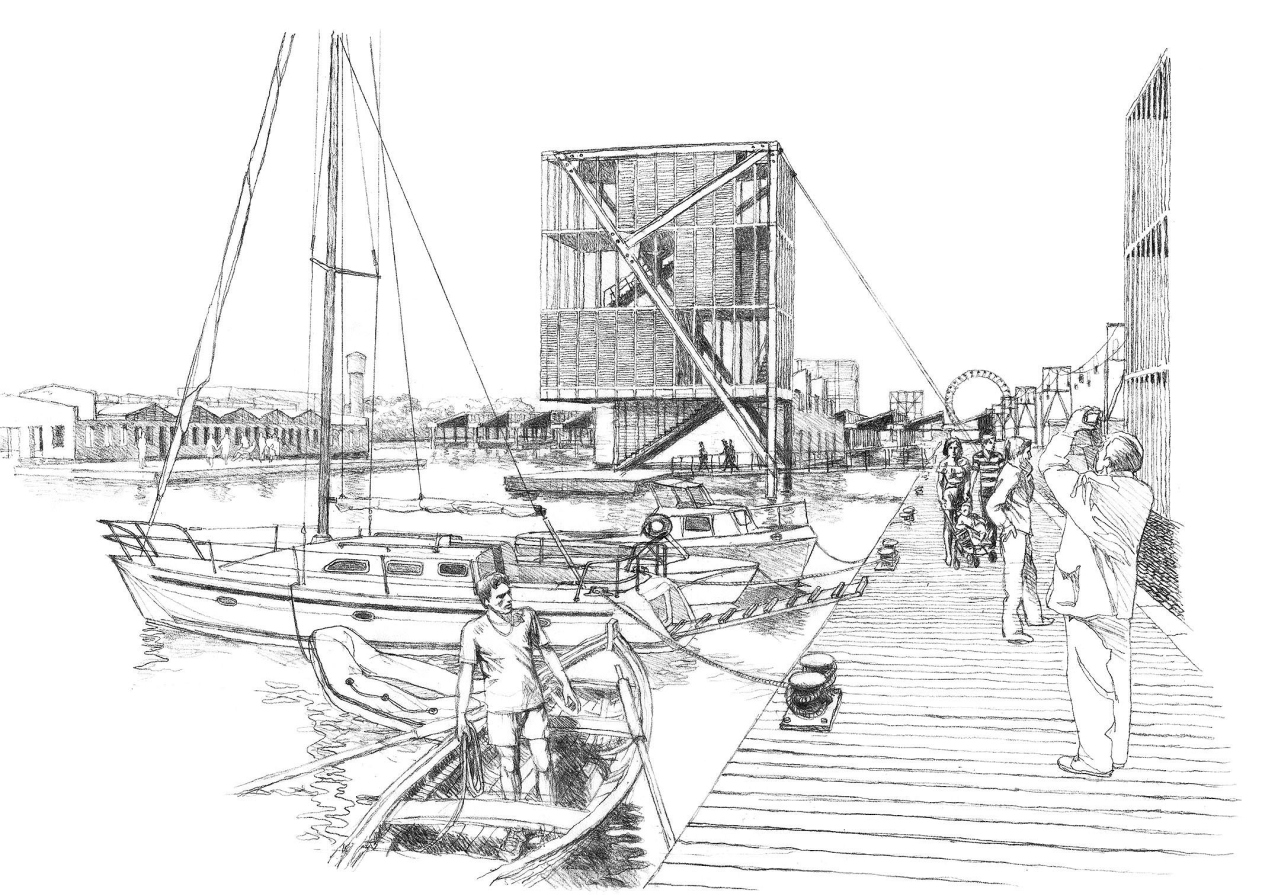
The Prokhorov’s factory is located considerably far from the centre of Vyshny Volochyok. But nearby the factory there is Vyshnevolotskoe water raisin and the architects decided to connect it with the city by a new channel of 1.2 km length and 160 m width, it will pass through the former factory. When the channel reaches the factory some of its buildings will be flooded and turned into an artificial island. "Studio 44" suggests transforming them into a hotel on water and related services - boat station, boathouses boats and yachts, cafes and restaurants. Only facilities built in Soviet times and not being of any architectural value (in particular, weaving shed turned into the boathouses) will be flooded. As to the historical red brick objects built in the second half of the 19thcentury, the architects, on the contrast, carefully protect. One of them houses water and water transport research institute, the other – a museum. The main factory building is turned into the main hotel building. In general, connection between different buildings adds a distinct character of a tourist attraction. However, the architects point out that their project also has an important social and economic aspect: the developed system of canal locks provides passage for pleasure boats and fishing vessels to the water raisin. Parallel to the channel is laid a green pedestrian boulevard - a broad esplanade full of various objects from the fish market to the yacht club (ship navigation school). Two of these arteries - green and blue – with variety of services create new centre of the town - an architectural environment with all the needed for meeting people. All the new constructions are decorated in the aesthetics of hydraulic engineering and port constructions, moreover the architects used most neutral materials - glass, metal, wood, - not to distract visitors from the harsh reality of industrial architecture of the 19thcentury and pervasive water surface. Nikita Yavein poetically concludes: "the water fills up the empty spaces with meaning and energy, connects disparate buildings into a single ensemble, and translates their architectural sound into a higher register.


04 September 2010

Headlines now
Wave and Vertical
The premium residential complex designed by GAFA for a site in the Khoroshevsky District responds to multiple constraints – the arc of a planned roadway, the water protection zone of the Khodynka River, and insolation requirements – through inventive massing. The composition is built on the interplay of two spatial layers: an elongated perimeter block and three towers concealed behind it generate the silhouette and key viewpoints, while also adding semantic depth reinforced by the façade solutions. Another defining feature is a large private courtyard, complemented by a citywide linear park.
Office on Trubnaya
We continue publishing projects by Valery Kanyashin. A building once described, a quarter century ago, as an example of “quiet modernism” has remained just that in some people’s memory. According to Anatoly Belov, its main quality is its unobtrusiveness. The architects from Ostozhenka say the leading role here is played by context and landscape – the change in elevation. Yet is it really so inconspicuous?
The First International
With this publication, we begin a series of texts dedicated to works by the late Valery Kanyashin, one of the founders of Ostozhenka Architects. As it happens, the projects he was involved in largely illustrate our understanding of the firm and its history. The first project in this series is the International Moscow Bank on Prechistenskaya Embankment.
In Memory of Valery Kanyashin
On Friday, February 27, architect Valery Kanyashin passed away – co-founder of Ostozhenka Architects and the author of many significant buildings in Moscow. We publish a text by Anatoly Belov in memory of Valery Kanyashin.
Hypertext in Space
As part of the exhibition “What We Have We (Do Not) Keep”, Sergey Tchoban, the Museum of Architecture, and the CHART studio experiment with an eco-conscious approach to exhibition design, with thematic cross-references and even with publicistic reflections on the necessity of preserving modernism, the roots of contemporary architecture, and the birth of ideas. All of this makes the exhibition, with its light and transparent design, look quite innovative. The elements – both “material” and conceptual – are familiar, yet their combination is far from conventional.
The Outline of “Foundation”
In their competition proposal for the Fili transport hub, the consortium led by Alexey Ilyin proposed an “inhabited arch” – a form that is simple yet complex. The architects emphasize that even at the competition stage, the project’s feasibility was fully calculated, taking into account the minimal nighttime closures of Bagration Avenue. How was this achieved? With what functions? Let us take a closer look. In our view, the building would have suited the heroes of Isaac Asimov’s Foundation novels perfectly.
The Flying Horizontal
“A house in the spirit of Wright”, as architect Roman Leonidov describes it, pointing to his source of inspiration, was built on a challenging wedge-shaped site. To achieve a sense of intimacy and secure good views from the windows, the entire volume had to be shifted toward the far boundary, turning the house “back” to the neighboring mansions. The main façade demonstrates time-tested techniques often employed by the company: articulated horizontals, a weightless roofline, and a triad of materials – light plaster, dark slate, and warm wood.
Needles of Horizon Contemplation
The “House of Horizons”, designed by Kleinewelt Architekten in Krylatskoye, is carefully thought out at the stereometric level – from the logic of how the volumes interlock (and, conversely, how gaps are articulated between them) to the triangular balconies that give the building its striking, slightly bristling silhouette.
The Red Thread
A linear park project prepared by Alexey Ilyin studio for the improvement of a riverbank in one of the residential districts seeks to reconnect people with nature. Two levels of the embankment invite visitors to contemplate the landscape while at the same time protecting the riverbank from excessive human impact. The “aerial street” links functional zones and the opposite banks, creating new points of attraction along the way: balconies, bridges, and even a “grotto”.
Spindle and Thread
The concept of the Waver residential complex in Yekaterinburg draws inspiration from the past of the Parkovy district. In order to preserve the memory of the late-19th-century flax spinning mill once located here, the architectural company KPLN turns to the theme of textiles and weaving. The project’s main expressive device is a system of ribbons made of perforated weathering steel – a material that, in such volumes, has arguably not yet been used in Russian residential projects.
Woven Into Sokolniki
Over the past few years, high-rise residential construction in former industrial zones has become the main theme of Moscow architecture. Towers are springing up here and there – but the question is what kind of towers they are. The residential complex CODE Sokolniki, designed by Ostozhenka Architects, is a project where every detail has been taken care of. The authors are attentive to the history of the site, the continuity of the urban fabric, the skyline, and visual corridors. They also proposed a motif with the lyrical name “scarf”. We take a closer look at the volumetric composition and the large-scale décor “woven”, in this case, out of terraces and balconies.
Stepan Liphart and Yuri Gerth: “Our Program Is Aesthetic”
The studio of Stepan Liphart, an architect known for his distinctive signature style and one-off projects, now has a partner. Yuri Khitrov, a specialist with a broad range of competencies, will take on the part of the work that distracts one from creativity but drives the business forward. One of the aims of this partnership is to improve the urban environment through dialogue with clients and officials. We spoke with both sides about their ambitions, the firm’s development strategy, shared values, and the need for pragmatism. And why the studio is called “Liphart & Gerth” only became clear at the very end of the interview.
The Copper Mirror
The varied-toned sheen of “unsealed” copper, painterly streaks and fingerprints, exposed concrete, and the unusual proportions – when you study the ZILART Museum building by Sergei Tchoban and SPEECH architects, there is plenty to talk about. However, it seems to us that the most interesting thing is how the museum’s composition responds to the realities of the district itself. The residential district has been realized as an open-air exhibition of façade statements by contemporary architects – but without public access to the inner courtyards of the blocks. This building – that is, the museum – is exactly the opposite: on the outside, it is deliberately restrained, while inside it shines spectacularly, creating its own sunbeams in any weather.
“Strangers” in the City
We asked Alexander Skokan for a comment on the results of 2025 – and he sent us a whole article, moreover one devoted to the discussion we recently began on the “appropriateness of high-rises” – or, more broadly speaking, “contrasting insertions into the urban fabric”. The result is a text that is essentially a question: why here? Why like this?
Dmitry Ostroumov: “To use the language of alchemy, we are involved in the process of “transmutation...
What we ended up having was an extremely unusual conversation with Dmitry Ostroumov. Why? At the very least, because he is not just an architect specializing in the construction of Orthodox churches. And not just – which is an extreme rarity – a proponent of developing contemporary stylistics within this still highly conservative field. Dmitry Ostroumov is a Master of Theology. So in addition to the history and specifics of the company, we speak about the very concept of the temple, about canon and tradition, about the living and the eternal, and even about the Russian Logos.
A Glazed Figurine
In searching for an image for a residential building near the Novodevichy Convent, GAFA architects turned to their own perception of the place: it evoked associations with antiquity, plein-air painting, and vintage artifacts. The two towers will be entirely clad in volumetric glazed ceramic – at present, there are no other buildings like this in Russia. The complex will also stand out thanks to its metabolic bay-window cells, streamlined surfaces, a ceremonial “hotel-style” driveway, and a lobby overlooking a lush garden.
A Knight’s Move via the Cour d’Honneur
Intercolumnium Architects presented to the City Planning Council a residential complex project that is set to replace the Aquatoria business center on Vyborgskaya Embankment. Experts praised the overall quality of the work, but expressed reservations about the three cour d’honneurs and suggested softening the contrast between the facades facing the embankment and the Kantemirovsky Bridge.
A Small Country
Mezonproekt is developing a long-term master plan for the MEPhI campus in Obninsk. Over the next ten years, an enclave territory of about 100 hectares, located in a forest on the northern edge of the city, is set to transform into a modern center for the development of the nuclear energy sector. The plan envisions attracting international students and specialists, as well as comprehensive territorial development: both through the contemporary realization of “frozen” plans from the 1980s and through the introduction of new trends – public spaces, an aquapark, a food court, a school, and even a nuclear medicine center. Public and sports facilities are intended to be accessible to city residents as well, and the campus is to be physically and functionally connected to Obninsk.
Pearl Divers
GAFA has designed an apartment complex for Derbent intended to switch people from a work mode to a resort mindset – and to give the surrounding area a much-needed jolt. The building offers two distinct faces: restrained and laconic on the city side, and a lushly ornate façade facing the sea. At the heart of the complex, a hidden pearl lies – an open-air pool with an arch, offering views of a starry sky, and providing direct access to the beach.
A Satellite Island
The Genplan Institute of Moscow has prepared a master plan for the development of the Sarpinsky and Golodny island system, located within the administrative boundaries of Volgograd and considered among the largest river islands in Russia. By 2045, the plan envisions the implementation of 15 large-scale investment projects, including sports and educational clusters, a congress center with a “Volgonarium”, a film production cluster, and twenty-one theme parks. We explain which engineering, environmental, and transportation challenges must be addressed to turn this vision into reality. The master plan solutions have already been approved and incorporated into the city’s general development plan.
The Amber Gate
The Amber City residential complex is one of the redevelopment projects in the former industrial area located beyond Moscow’s Third Ring Road near Begovaya metro station. Alexey Ilyin’s studio proposed an original master plan that transformed two clusters of towers into ceremonial propylaea, gave the complex a recognizable silhouette, and established visual connections with new high-rise developments on both right and left – thus integrating it into the scale of the growing metropolis. It is also marked by its own futuristic stylistic language, based on a reinterpreted streamline aesthetic.
A Theater Triangle
The architectural company “Chetvertoe Izmerenie” (“Fourth Dimension”) has developed the design for a new stage of the Magnitogorsk Musical Theater, rethinking not only theater architecture but also the role of the theater in the contemporary city.
Aleksei Ilyin: “I approach every task with genuine interest”
Aleksei Ilyin has been working on major urban projects for more than 30 years. He has all the necessary skills for high-rise construction in Moscow – yet he believes it’s essential to maintain variety in the typologies and scales represented in his portfolio. He is passionate about drawing – but only from life, and also in the process of working on a project. We talk about the structure and optimal size of an office, about his past and current projects, large and small tasks, and about creative priorities.
​A Golden Sunbeam
A compact brick-and-metal building in the growing Shukhov Park in Vyksa seems to absorb sunlight, transform it into yellow accents inside, and in the evening “give it back” as a warm golden glow streaming from its windows. It is, frankly, a very attractive building: both material and lightweight at the same time, with lightness inside and materiality outside. Its form is shaped by function – laconic, yet far from simple. Let’s take a closer look.
Architecton Awards
In 2025, the jury of the Architecton festival reviewed the finalist projects through live, open presentations held right in the exhibition hall – a rather engaging performance, and something rarely seen among Russian awards. It would be great if “Zodchestvo” adopted this format. Below, we present all the winning projects, including four special nominations.
Garden of Knowledge
UNK architects and UNK design created the interiors of the Letovo Junior campus, working together with NF Studio, which was responsible for developing the educational technology that takes into account the needs and perception of younger and middle school children.
The Silver Skates
The STONE Kaluzhskaya office quarter is accompanied by two residential towers, making the complex – for it is indeed a single ensemble – well balanced in functional terms. The architects at Kleinewelt gave the residential buildings a silvery finish to match the office blocks. How they are similar, how they differ, and what “Silver Skates” has to do with it – we explore in this article.
On the Dynastic Trail
The houses and townhouses of the “Tsarskaya Tropа” (“Czar’s Trail”) complex are being built in the village of Gaspra in Crimea – to the west and east of the palaces of the former grand-ducal residence “Ai-Todor”. One of the main challenges for the architects at KPLN, who developed the project, was to respond appropriately to this significant neighboring heritage. How this influenced the massing, the façades, and the way the authors work with the terrain is explored in our article.