


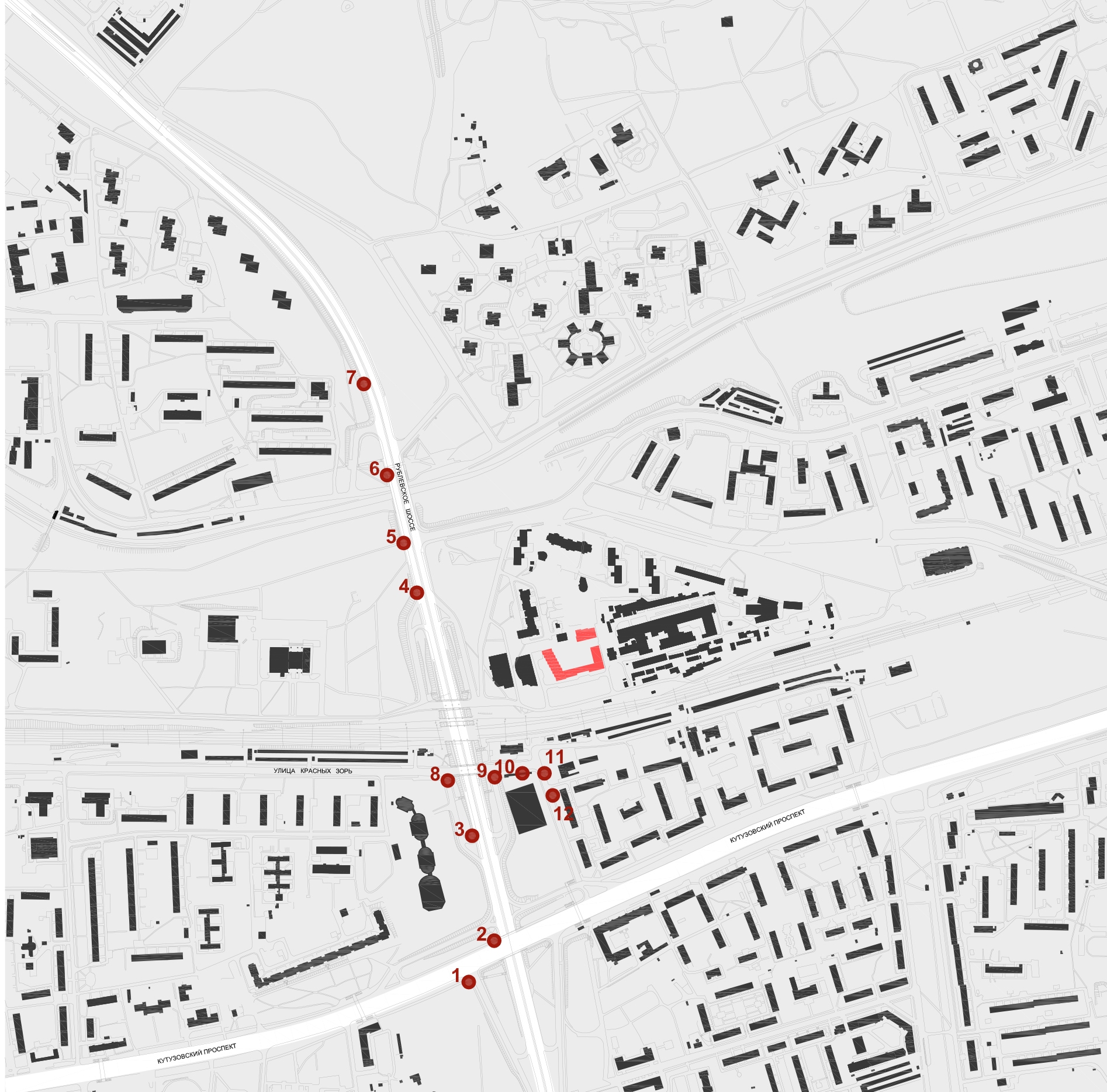
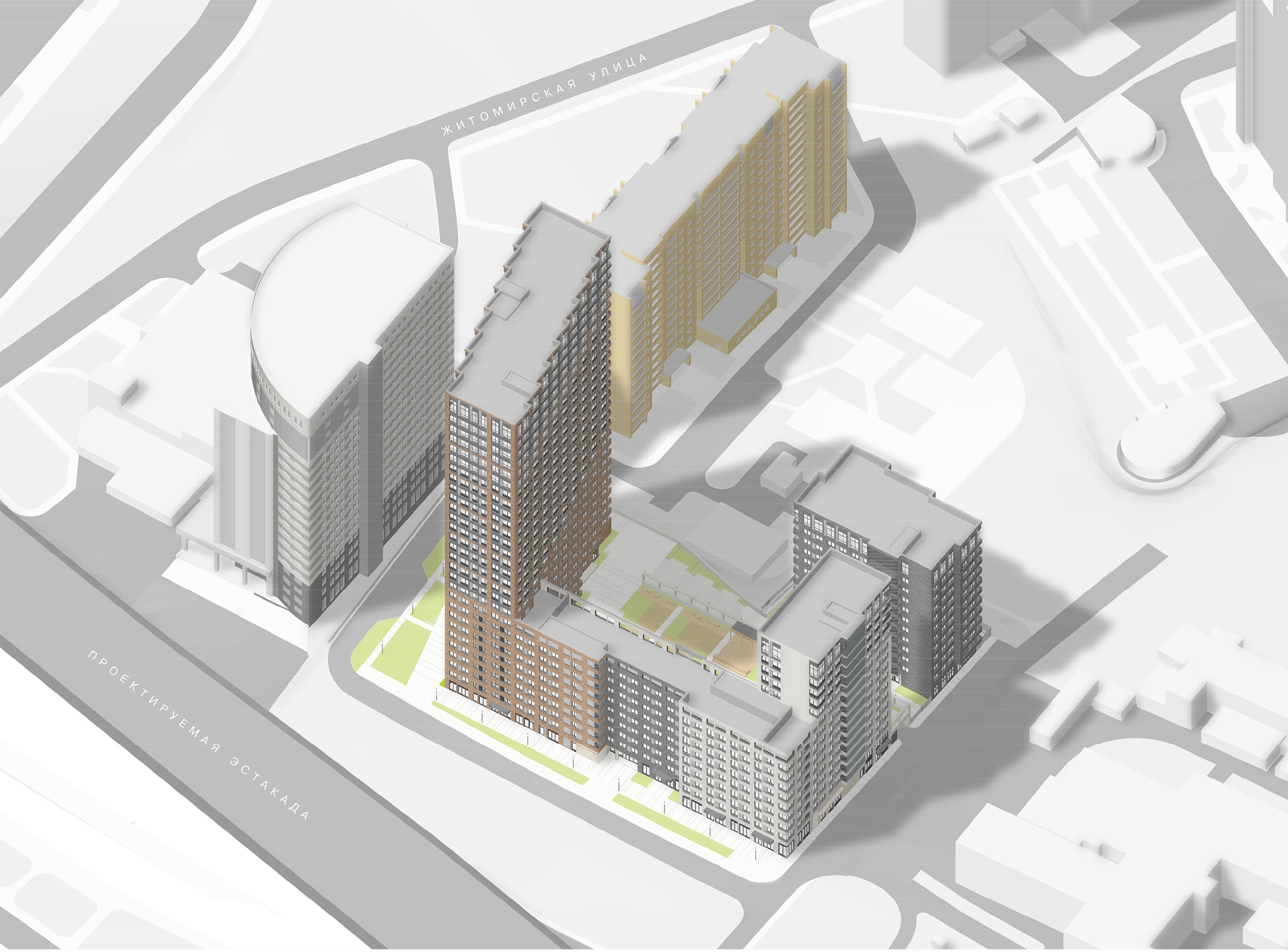
The apartment complex is situated a five minutes’ walk away from the Kuntsevo metro station, in the triangle between the old and the new Rublevo highways. To the east of it lies the industrial park of “Tekhnomash” research and development institute specializing in the field of radio electronics; to the west, really close to the border of the land site, stands the 20-story-high “Kutuzoff Tower” business center. To the south, literally two steps away, runs the Belarus-bound railroad line with the Kuntsevo railroad station, which is currently being expanded; there are plans for building a flyover of the north relief road of the Kutuzovsky Avenue – of course, with mandatory noise screens. Still other neighbors of the future complex are pink-brick houses, chiefly of the “elite” Brezhnev-age typology, with an odd inclusion of houses built later on in the nineties. As a matter of fact, the land site, which had been occupied by textile production facilities, stood derelict for quite a while. At the same time, this area of Moscow is quite prestigious, considering the proximity of the Kutuzovsky Avenue, the metro station, the highways, and the fact that within a 15 minutes’ walk starts a string of parks lying along the length of the Moskva River, from Fili to Krylatskoe.

Multifunctional complex with places of temporary residence on the Franko Street
Copyright: © Sergey Kisselev & Partners
-
 Multifunctional complex with places of temporary residence on the Franko StreetCopyright: © Sergey Kisselev & Partners
-
 Multifunctional complex with places of temporary residence on the Franko Street. Location planCopyright: © Sergey Kisselev & Partners

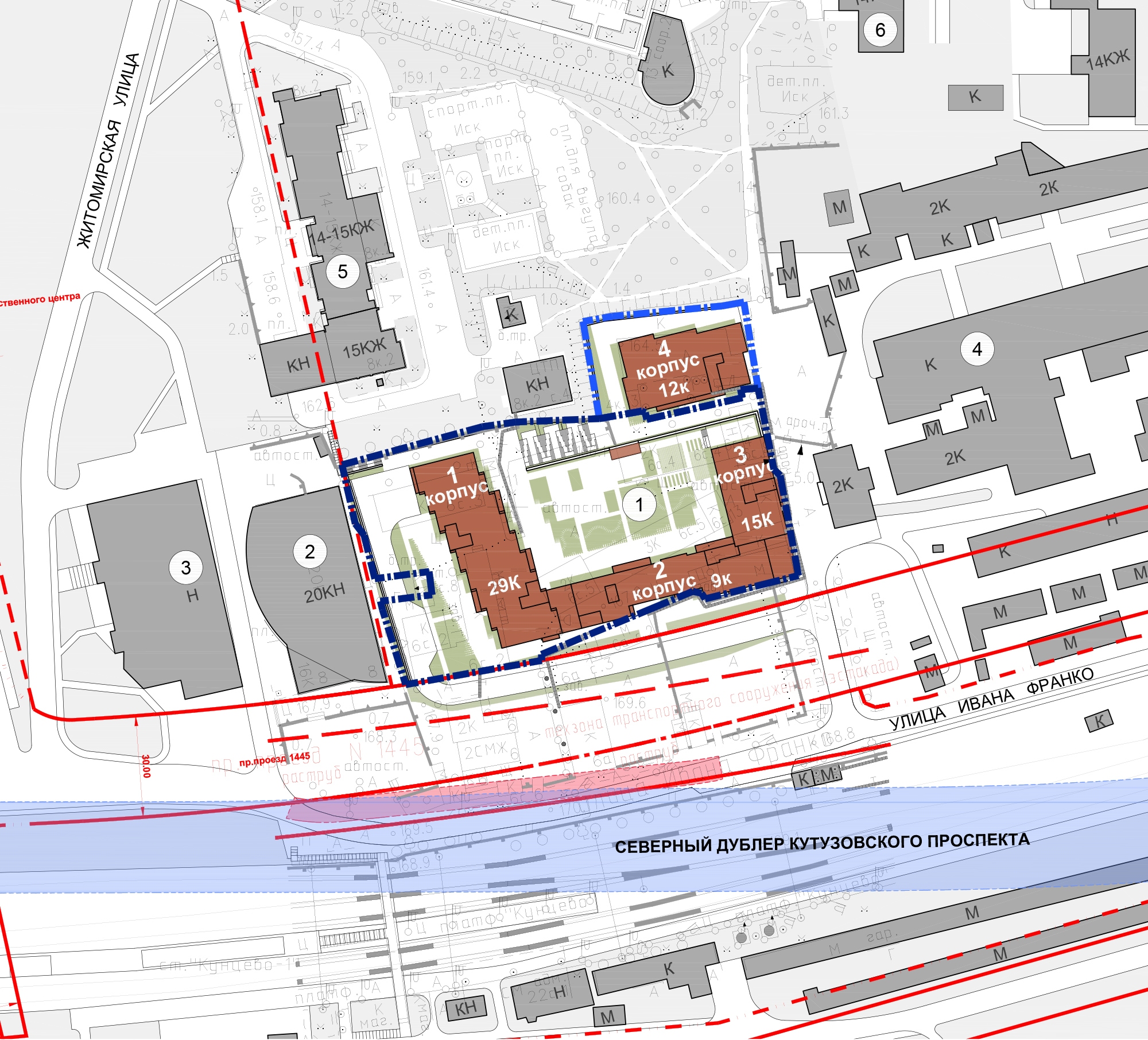

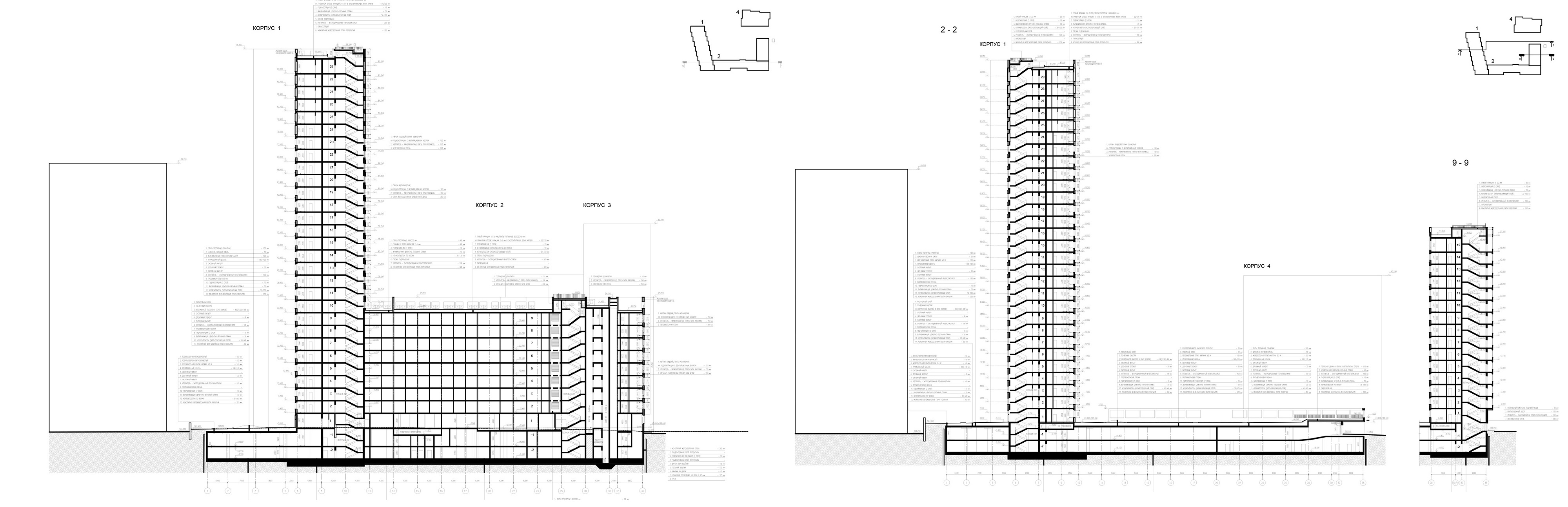
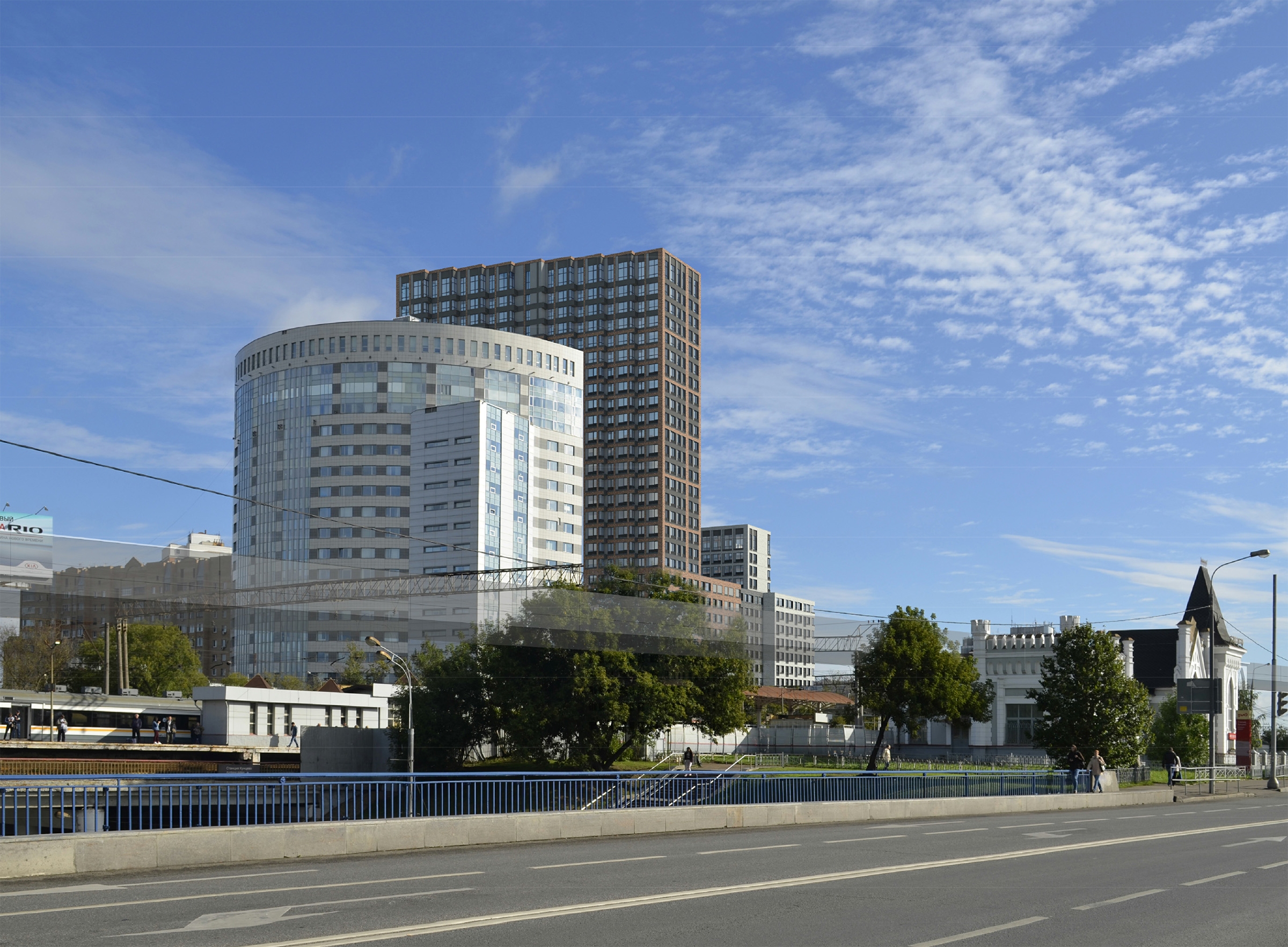
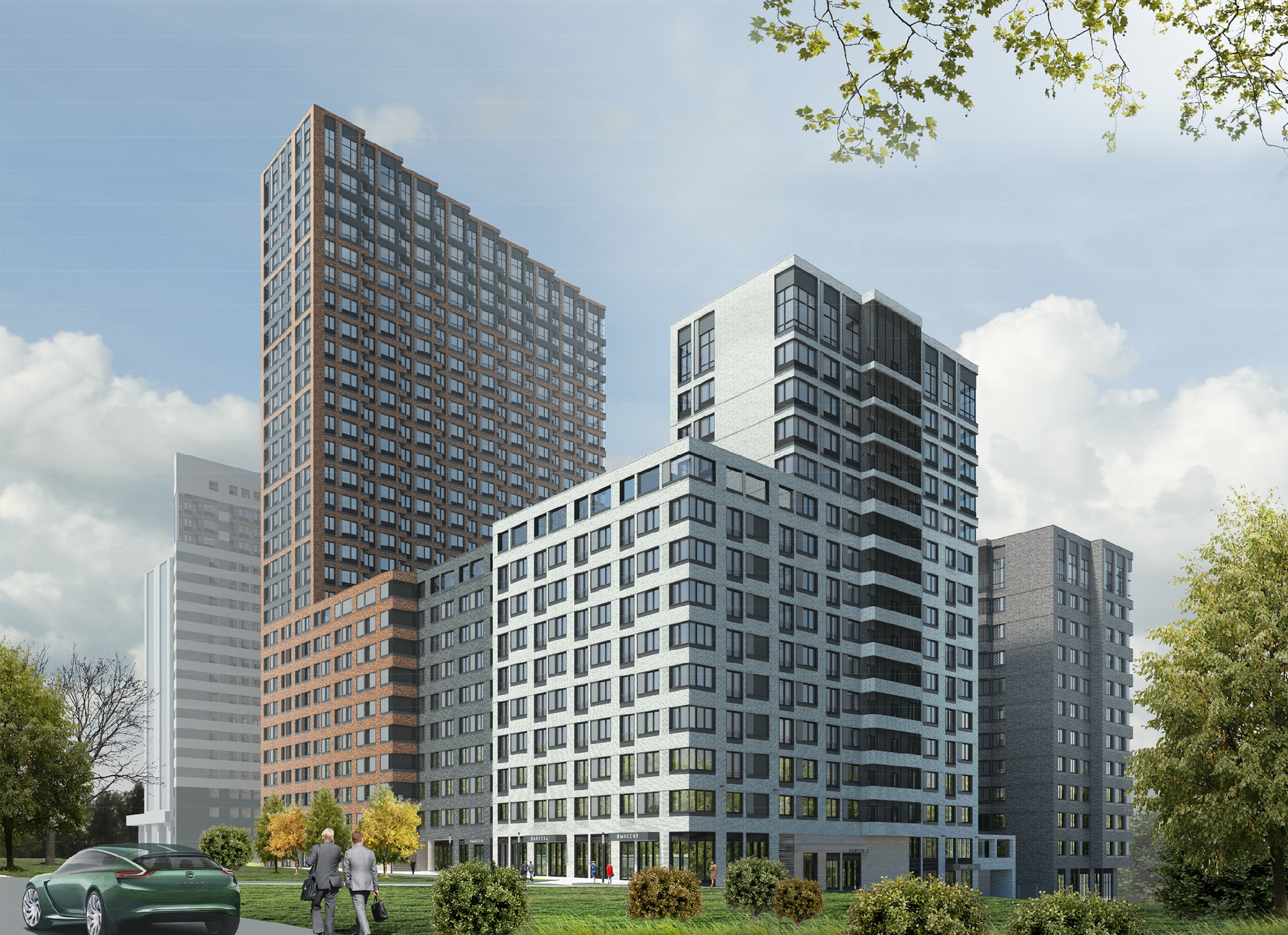
The first and probably the most noticeable peculiarity of the project consists in its comparatively tall surroundings, particularly the 20-story high business center. The architects came to a conclusion that they had to design a highlight that would represent the entire complex against the city background and would react to the neighboring building. This role was given to the 29-story-high “slab” tower of Building 1 that stands next to the business center, not parallel to it but at an angle: instead of forming a “crevice”, the tower and its “office” neighbor formed a wedge-shaped space, opening to the south. However, the contour of the slab is jagged. Therefore, each apartment of the western wall gets a corner with a bay window that catches the light and helps to some extent to redirect the residents’ gazes diagonally, avoiding the undesirable window-to-window tie-in effect with the building standing across the street.
-
 1 / 6Multifunctional complex with places of temporary residence on the Franko Street. Photo montageCopyright: © Sergey Kisselev & Partners
-
 2 / 6Multifunctional complex with places of temporary residence on the Franko StreetCopyright: © Sergey Kisselev & Partners
-
 3 / 6Multifunctional complex with places of temporary residence on the Franko Street. Photo montageCopyright: © Sergey Kisselev & Partners
-
 4 / 6Multifunctional complex with places of temporary residence on the Franko Street. Photo montageCopyright: © Sergey Kisselev & Partners
-
 5 / 6Multifunctional complex with places of temporary residence on the Franko StreetCopyright: © Sergey Kisselev & Partners
-
 6 / 6Multifunctional complex with places of temporary residence on the Franko Street. Photo montageCopyright: © Sergey Kisselev & Partners


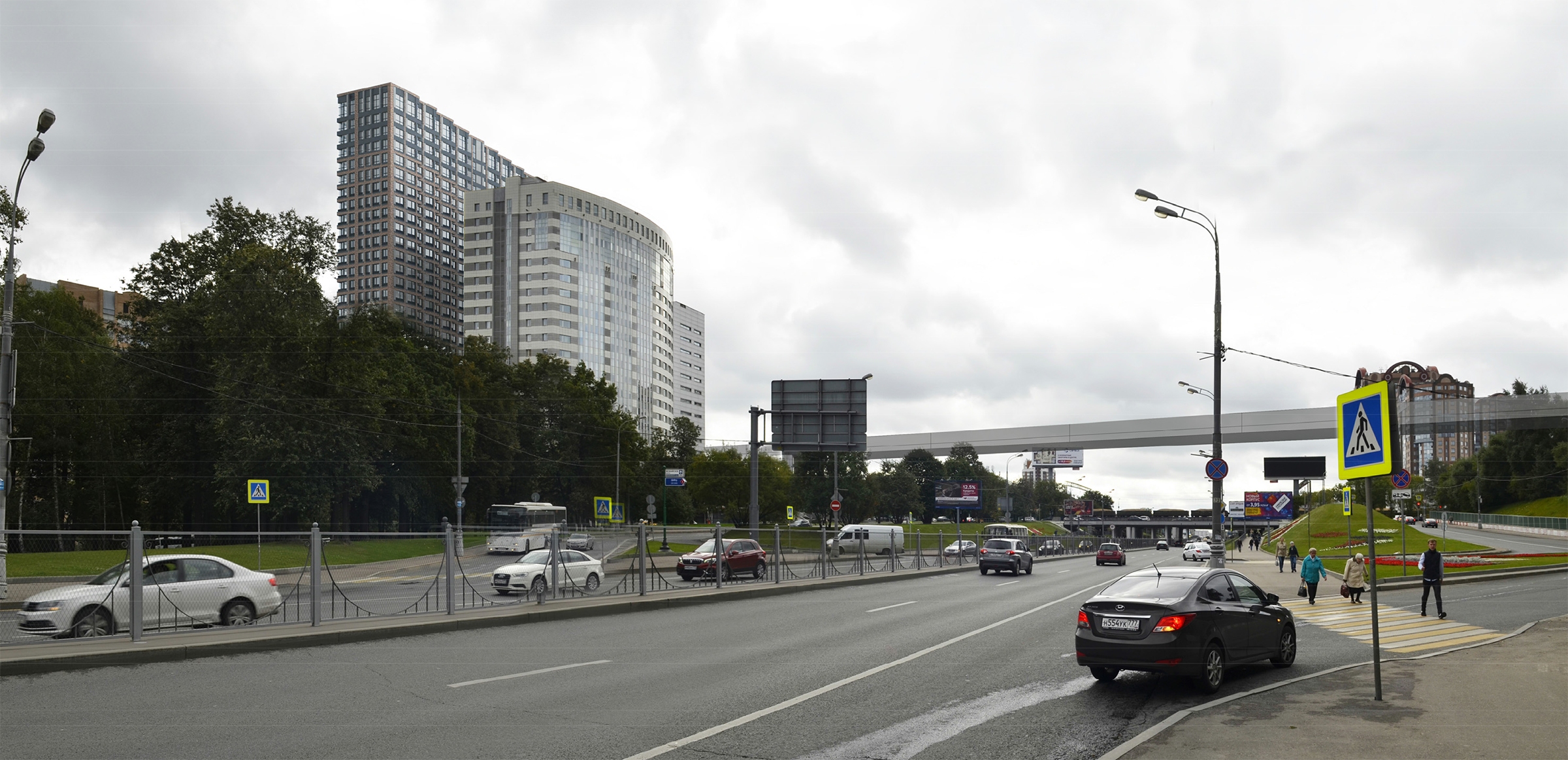

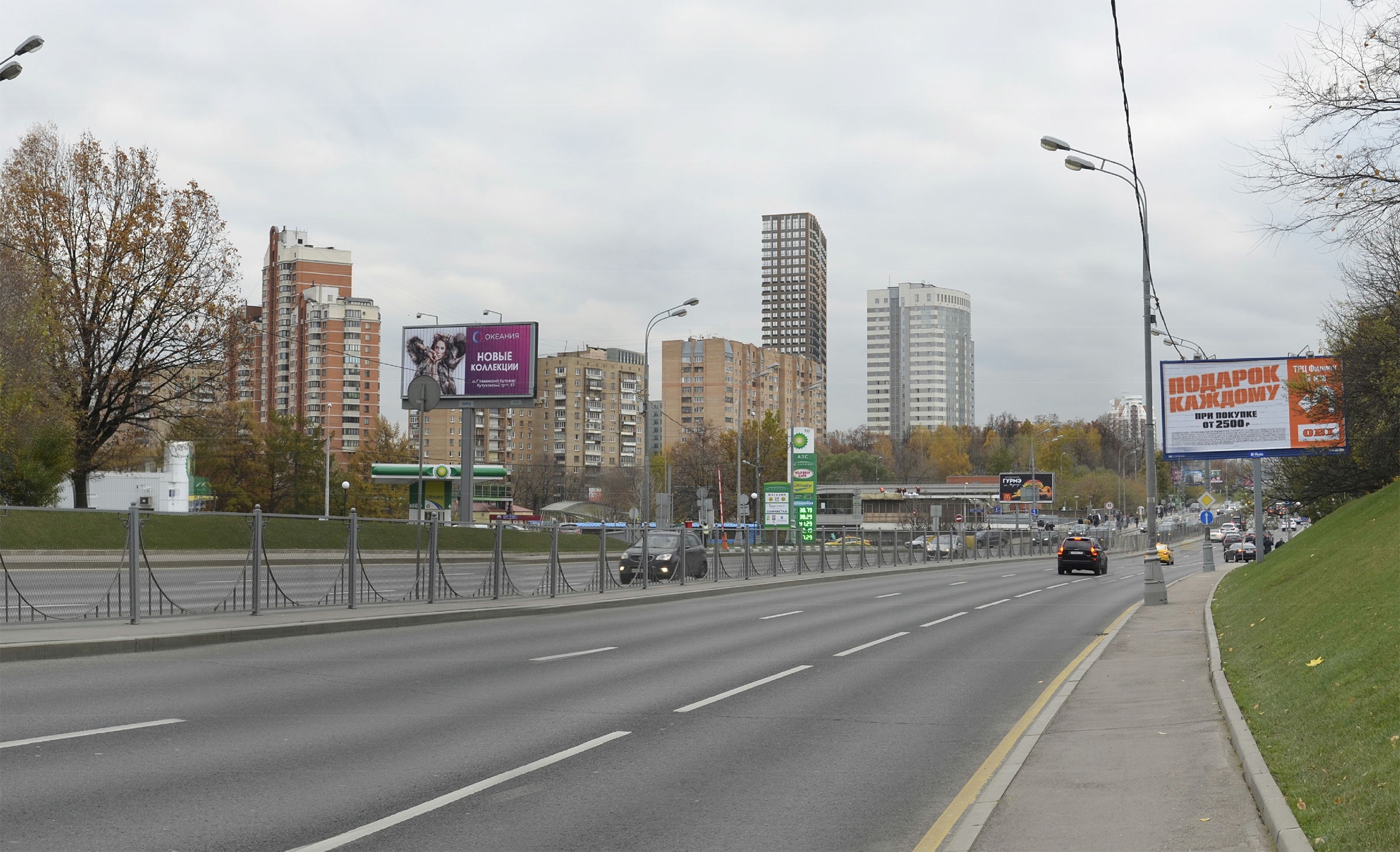

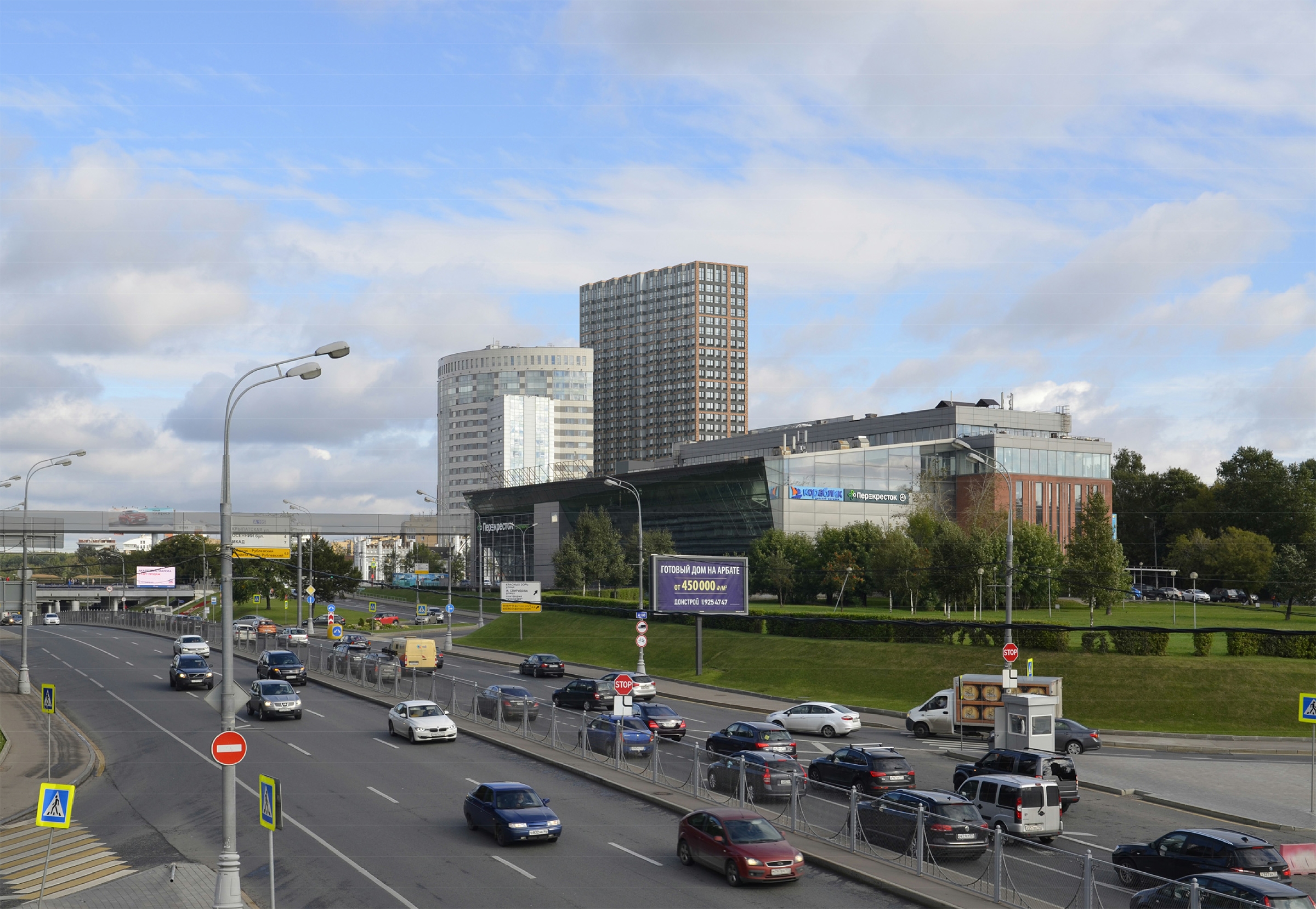

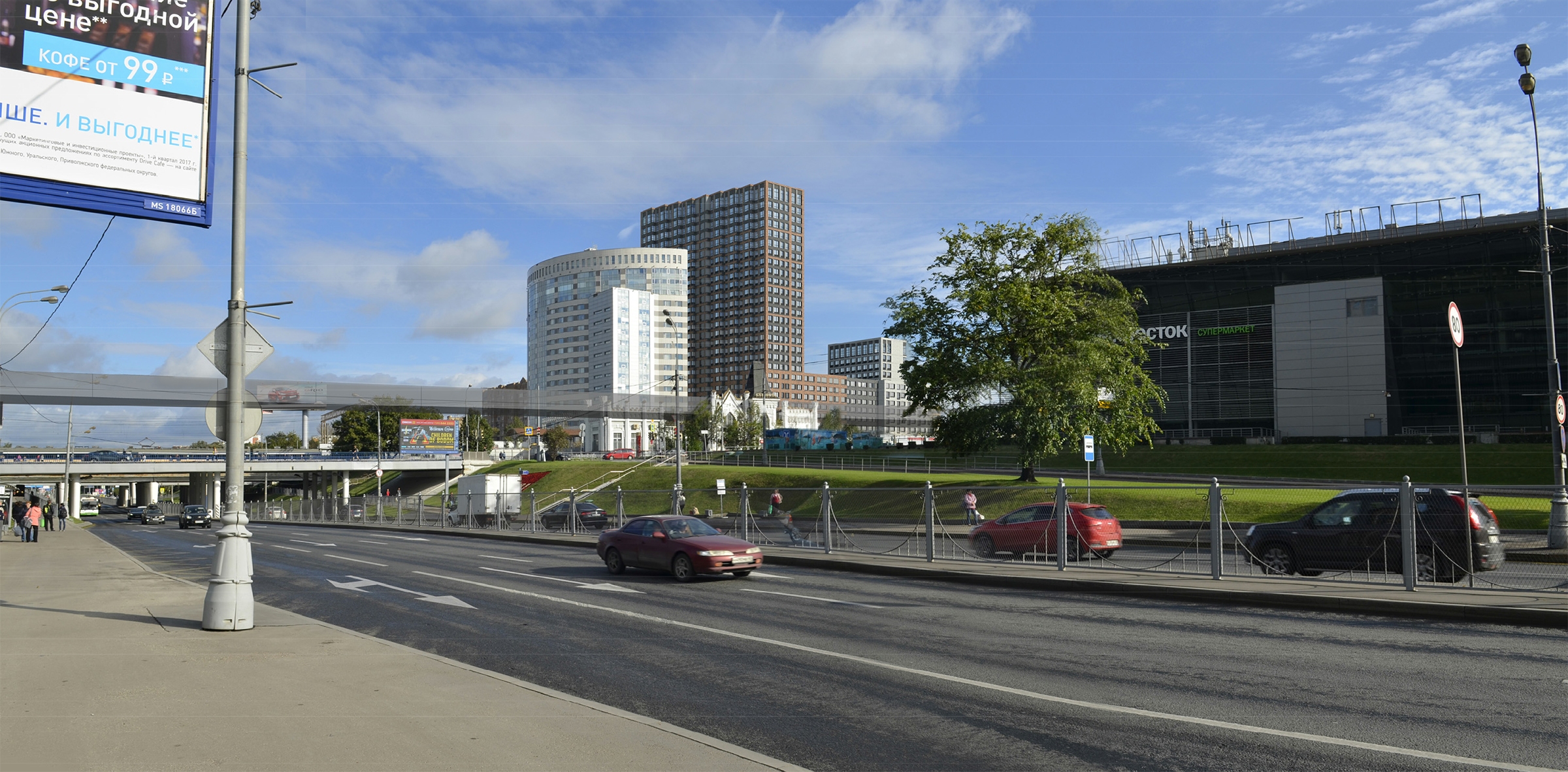


The entire building looks like drapery, and the corridor inside of it is also zigzagged. For the apartments, the insolation standards are not as strict but still the architects did everything to let them catch as much sunlight as possible – a graceful solution for reduced circumstances, which are pretty much the only circumstances that you get to deal with in Moscow, at least architecture-wise.
-
 1 / 5Multifunctional complex with places of temporary residence on the Franko StreetCopyright: © Sergey Kisselev & Partners
-
 2 / 5Multifunctional complex with places of temporary residence on the Franko StreetCopyright: © Sergey Kisselev & Partners
-
 3 / 5Multifunctional complex with places of temporary residence on the Franko StreetCopyright: © Sergey Kisselev & Partners
-
 4 / 5Multifunctional complex with places of temporary residence on the Franko StreetCopyright: © Sergey Kisselev & Partners
-
 5 / 5Multifunctional complex with places of temporary residence on the Franko StreetCopyright: © Sergey Kisselev & Partners
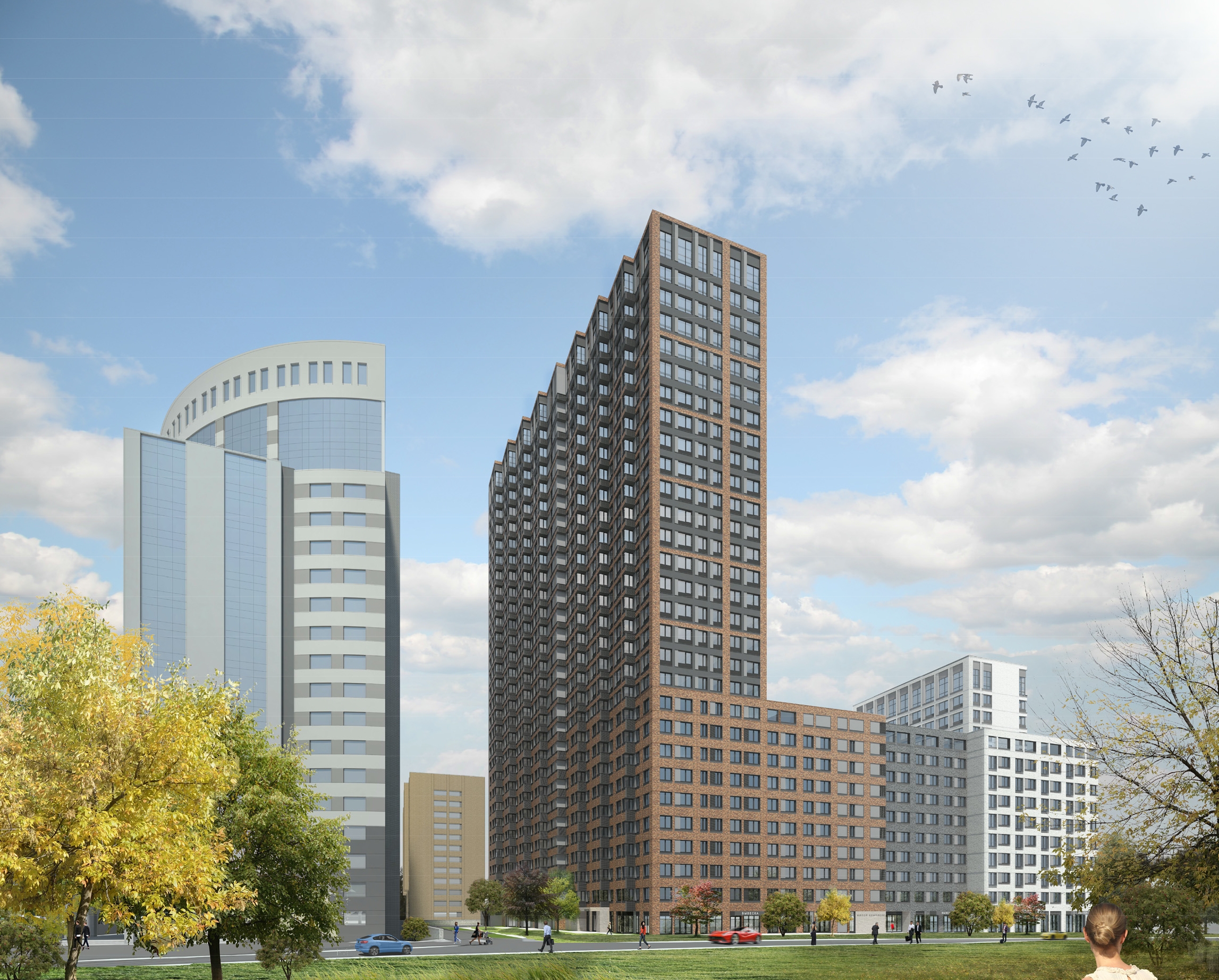



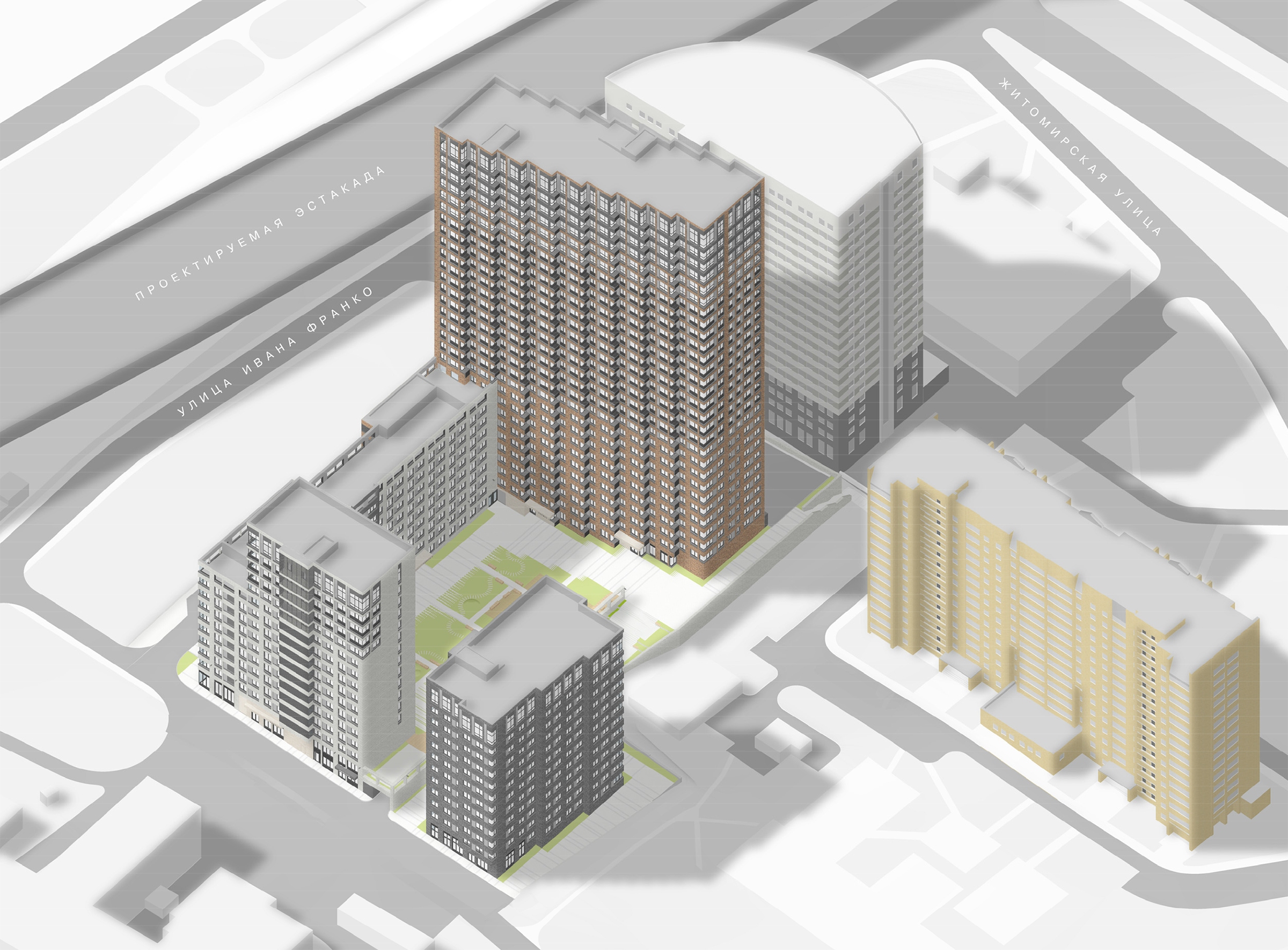

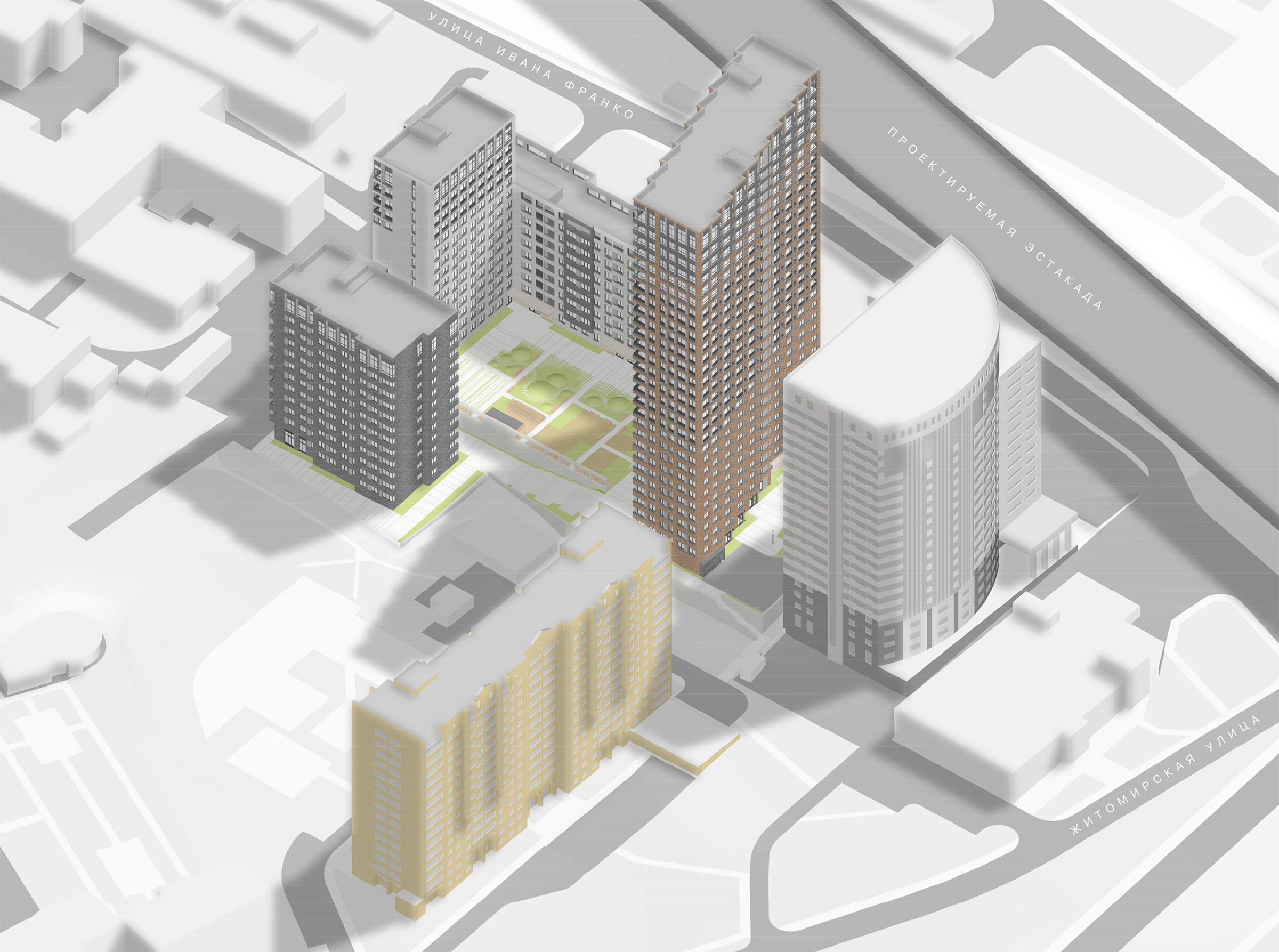

We will note that the 29 floors of the Building 1 tower is precisely NOT the case when the architects stretch the building up in order to get the required output of square meters but a though-out highlight. The architects conducted a thorough visual/landscaping survey – probably, this project can claim to have the all-time maximum of 3D geographic location insets from every conceivable vantage point: from the Kutuzovsky and Rublev highways, from the Kuntsevo railroad station (which, by the way, was built in the late XIX century, and from the “Kvadro” shopping center, built on the Rublevo Highway by Vladimir Plotkin in 2003. From some vantage points, Building 1 looks like a theater backdrop of the rounded “Kutuzoff Tower”, standing out from behind its back like the back of a gothic armchair; from others – thanks to its relatively small thickness – it stretches up like a string and looks slender and elegant, especially by contrast with the wife building of the business center. In other words, the slab and the business center form a contrastive pair, the interrelation between the two volumes – the old and the new one, still in design yet, being different when viewed from different angles.


Multifunctional complex with places of temporary residence on the Franko Street
Copyright: © Sergey Kisselev & Partners
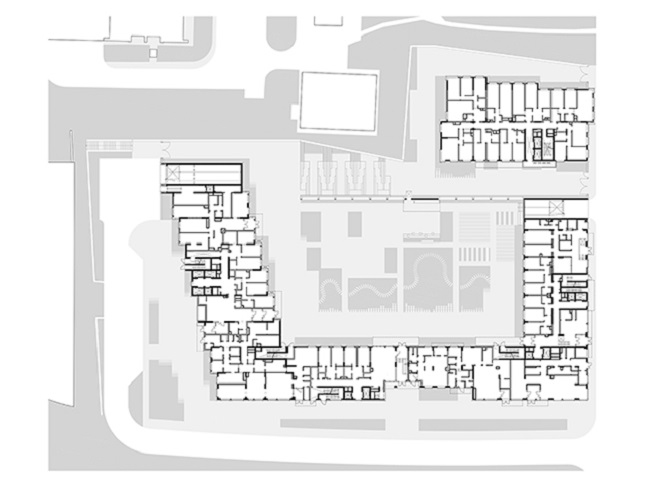
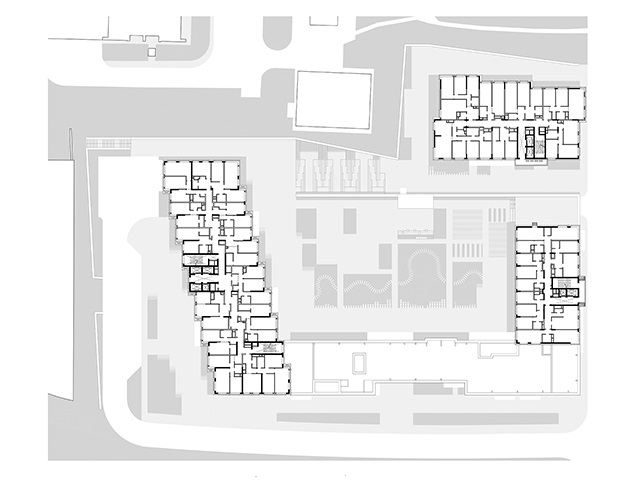
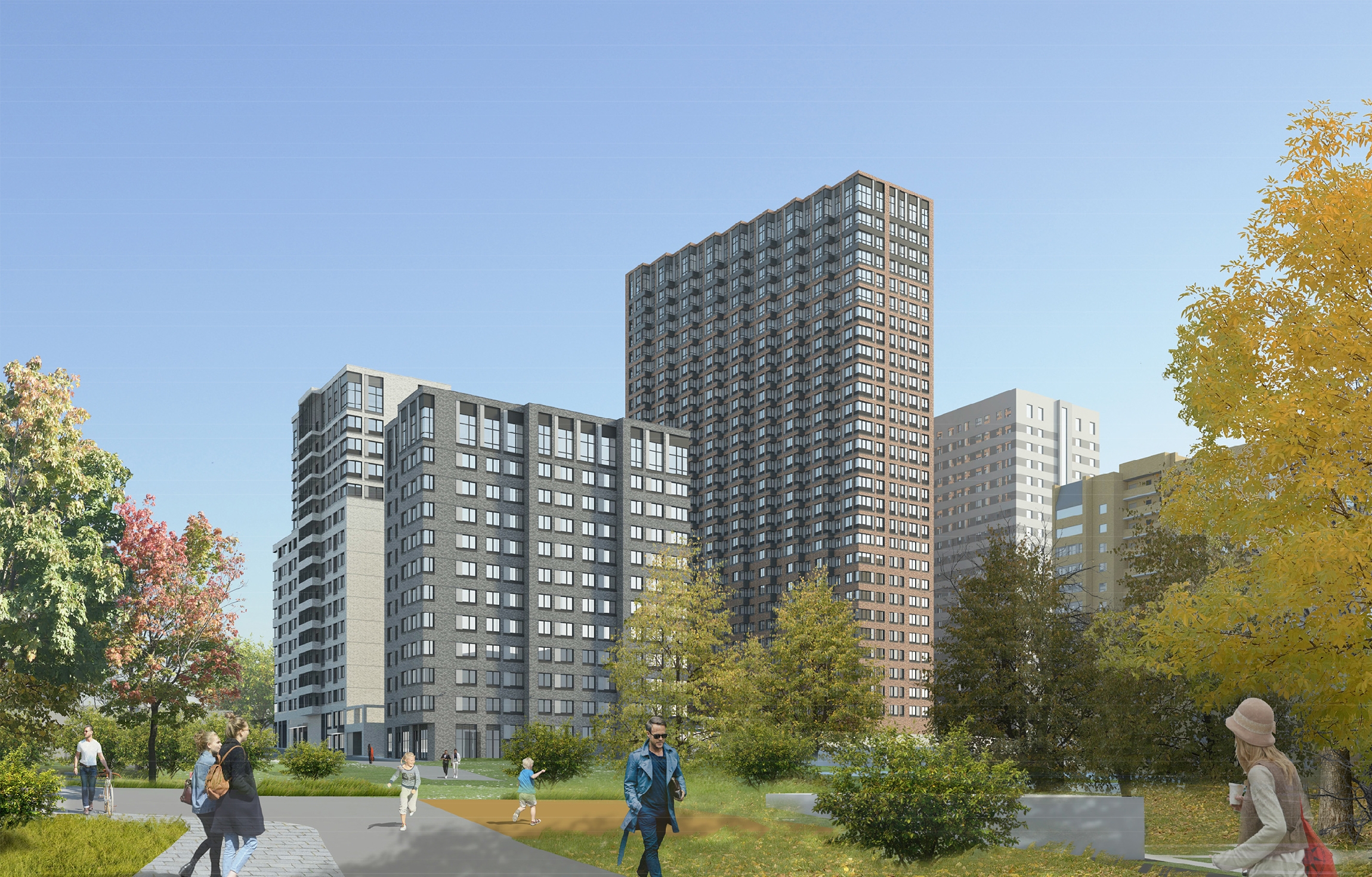
The north building that stretches along the Franko Street and stands the closest of all to the flyover of the relief road, is lower in height than the rest – it is only nine stories high. The composition is completed by the eastern 15-story building – three slabs are arranged in a city block fashion like a U, whose “lower stroke” is turned south. Yet another building three stories high stands in the northeast corner of the complex on a separate land site.
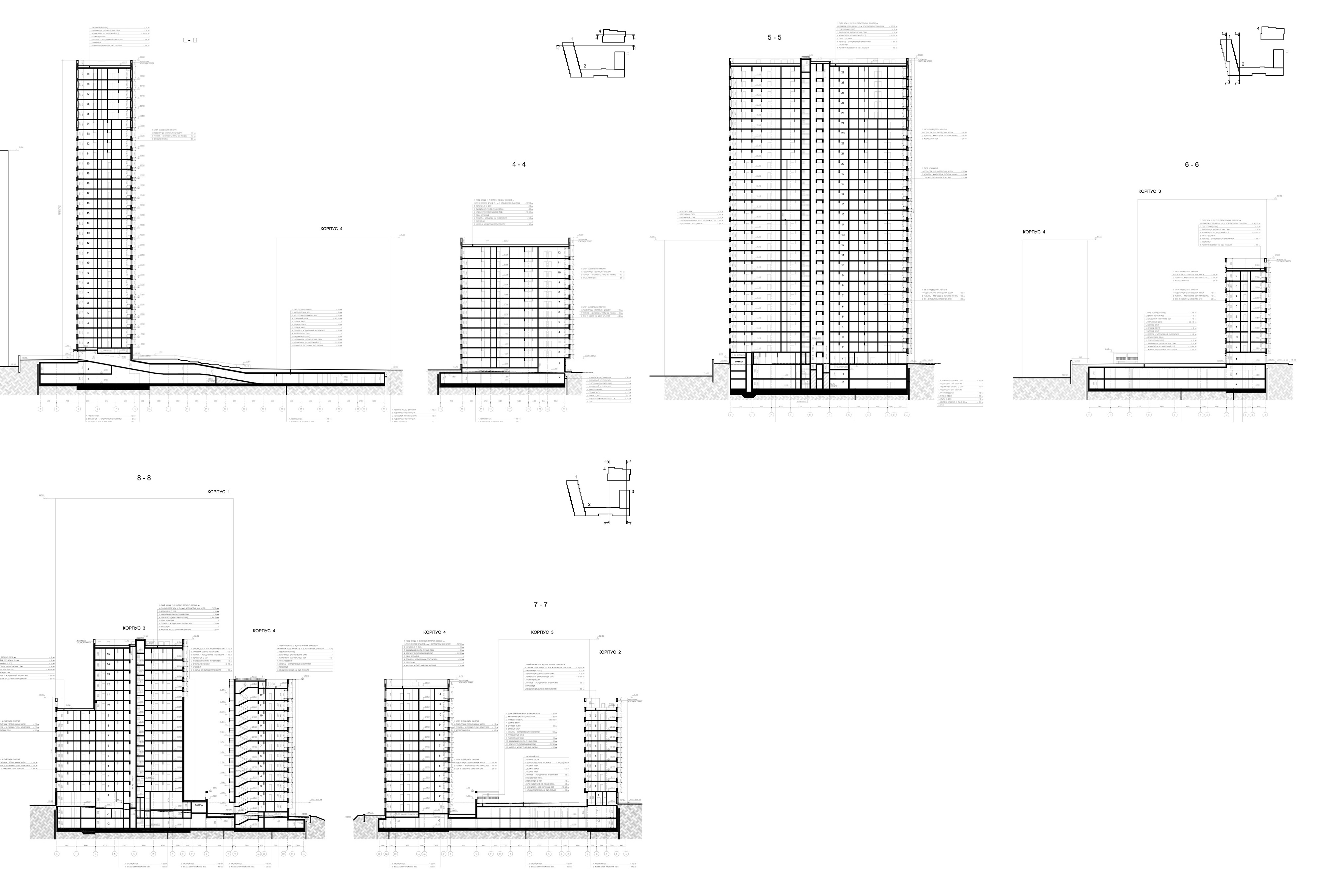
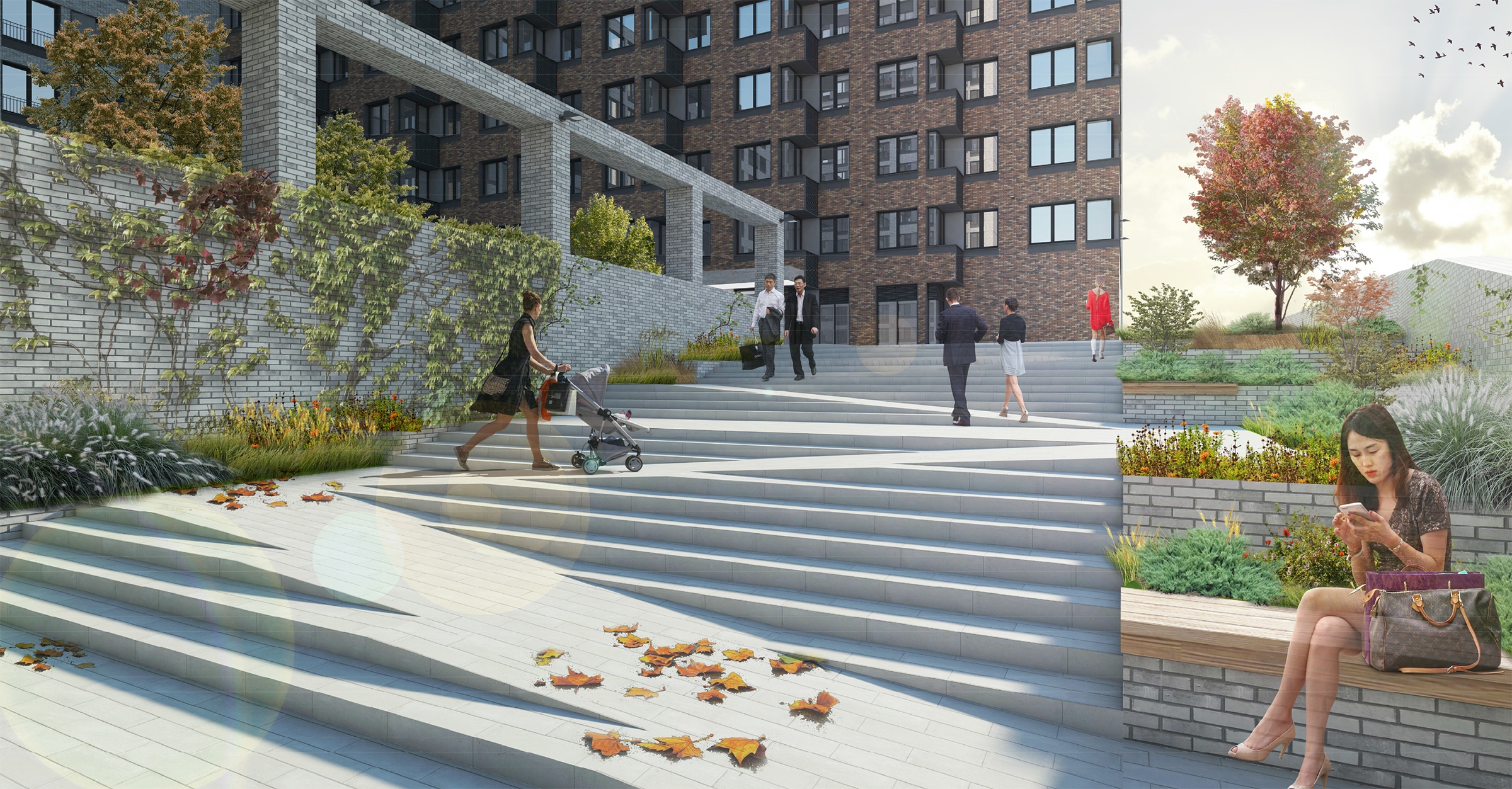
Still another peculiarity of this territory consists in the fact that its relief drops significantly in the direction of the railroad line, the height difference being about 4.5 meters. This is why the underground parking garage is part double and part single level. The private “vehicle-free” (i.e. only fire trucks are allowed here) makes the most of the landscape: about two thirds of it are elevated to the level of the upper mark and are leveled out like a terrace with a prop-up wall. And the northern part gets a staircase, capacious, gently sloping, and widening towards the top, which allows the architects to play around with the perspective, enhanced when “gazing down” and softened when “gazing up”. The staircase becomes something like the yard’s amusement ride: its stairs are crossed by a zigzagged ramp, as if sliced by a giant knife – together with the benches standing on the broad steps, it takes on the character of a city boulevard with an unusual look.

Multifunctional complex with places of temporary residence on the Franko Street
Copyright: © Sergey Kisselev & Partners
“Such solutions are pretty common in the modern European and American landscape design; you could say that this has become a trend, and we don’t claim to be pioneers here – the chief architect of the project Aleksey Medvedev explains – But this solution not only allowed us to save a lot of space but also liven up the yard adding a cherry on top”. The broad staircase descends to Building 4 that stands in the northeast part of the site. And still another staircase, this time small and narrow, in the opposite corner of the site, allows to shorten the walk to the metro station cutting it down to five minutes.
-
 1 / 4Multifunctional complex with places of temporary residence on the Franko StreetCopyright: © Sergey Kisselev & Partners
-
 2 / 4Multifunctional complex with places of temporary residence on the Franko StreetCopyright: © Sergey Kisselev & Partners
-
 3 / 4Multifunctional complex with places of temporary residence on the Franko StreetCopyright: © Sergey Kisselev & Partners
-
 4 / 4Multifunctional complex with places of temporary residence on the Franko StreetCopyright: © Sergey Kisselev & Partners
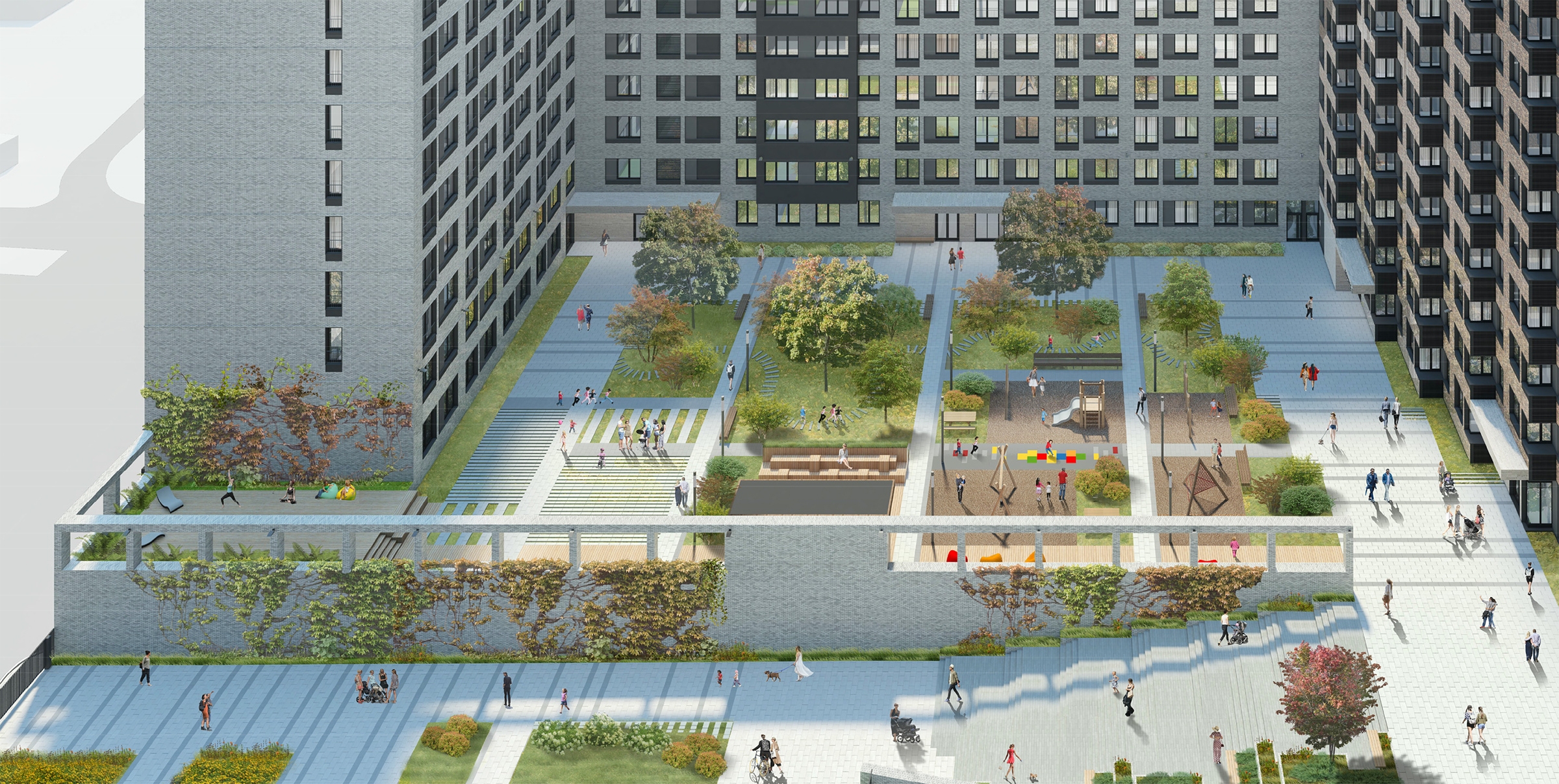

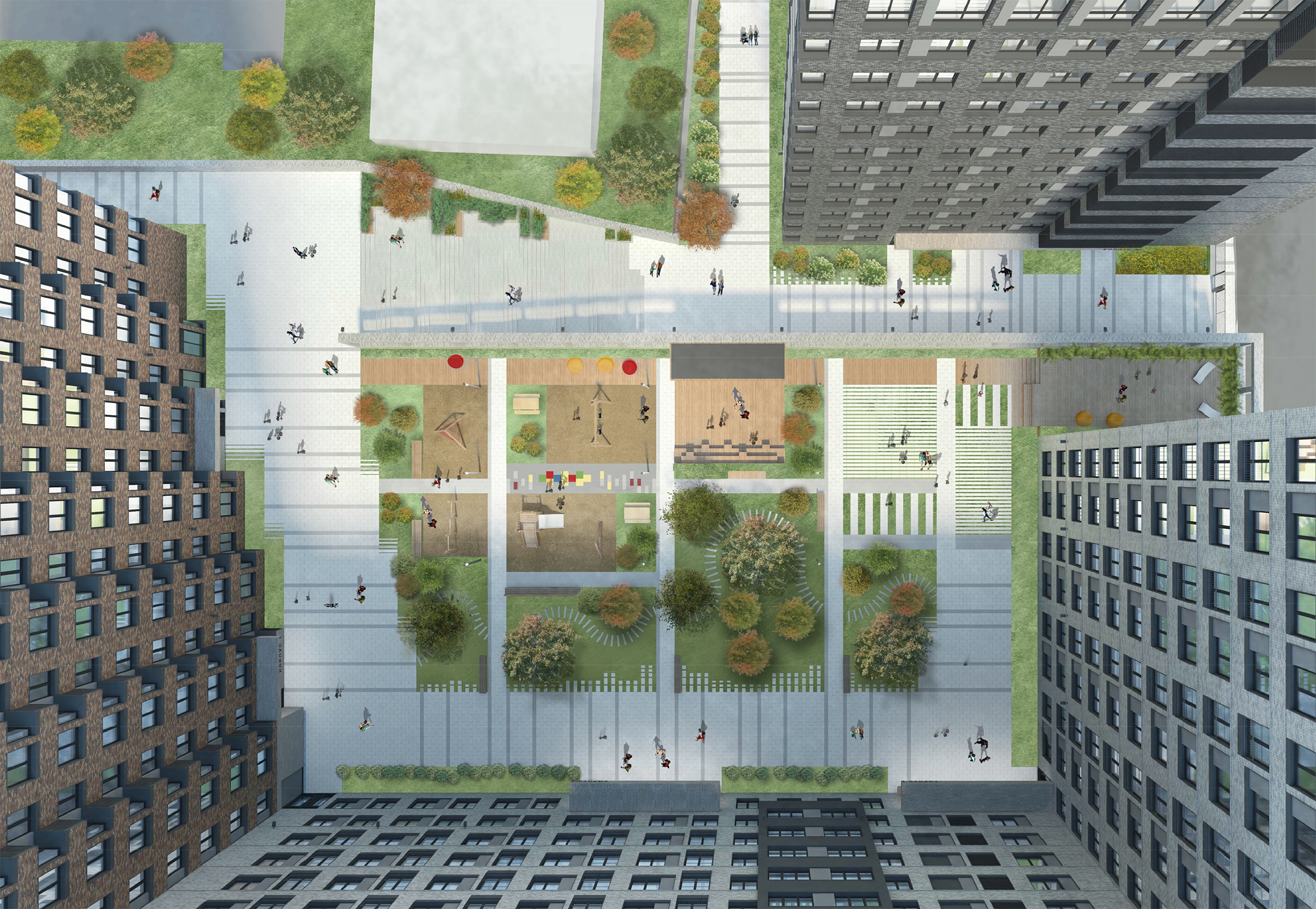

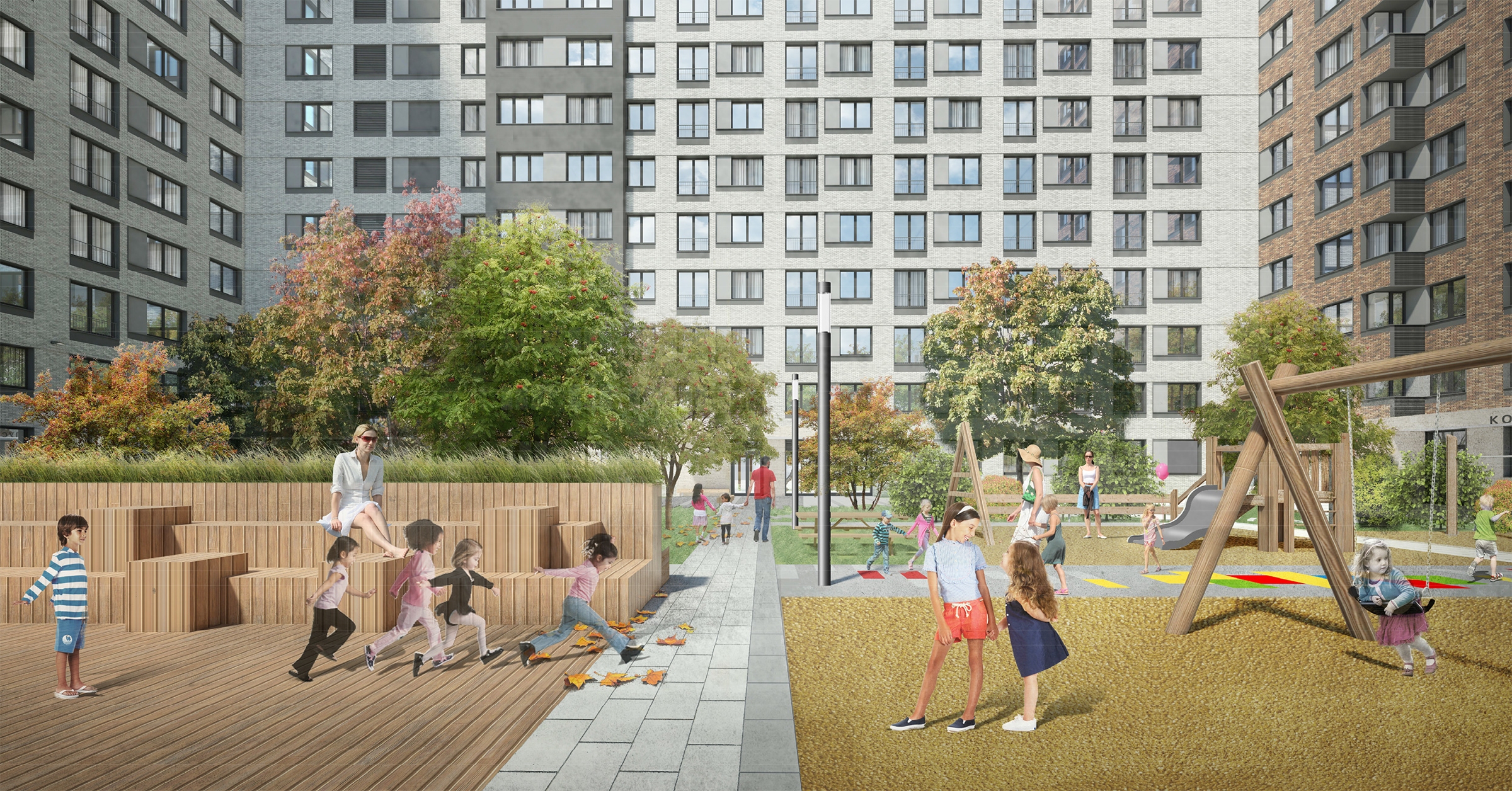

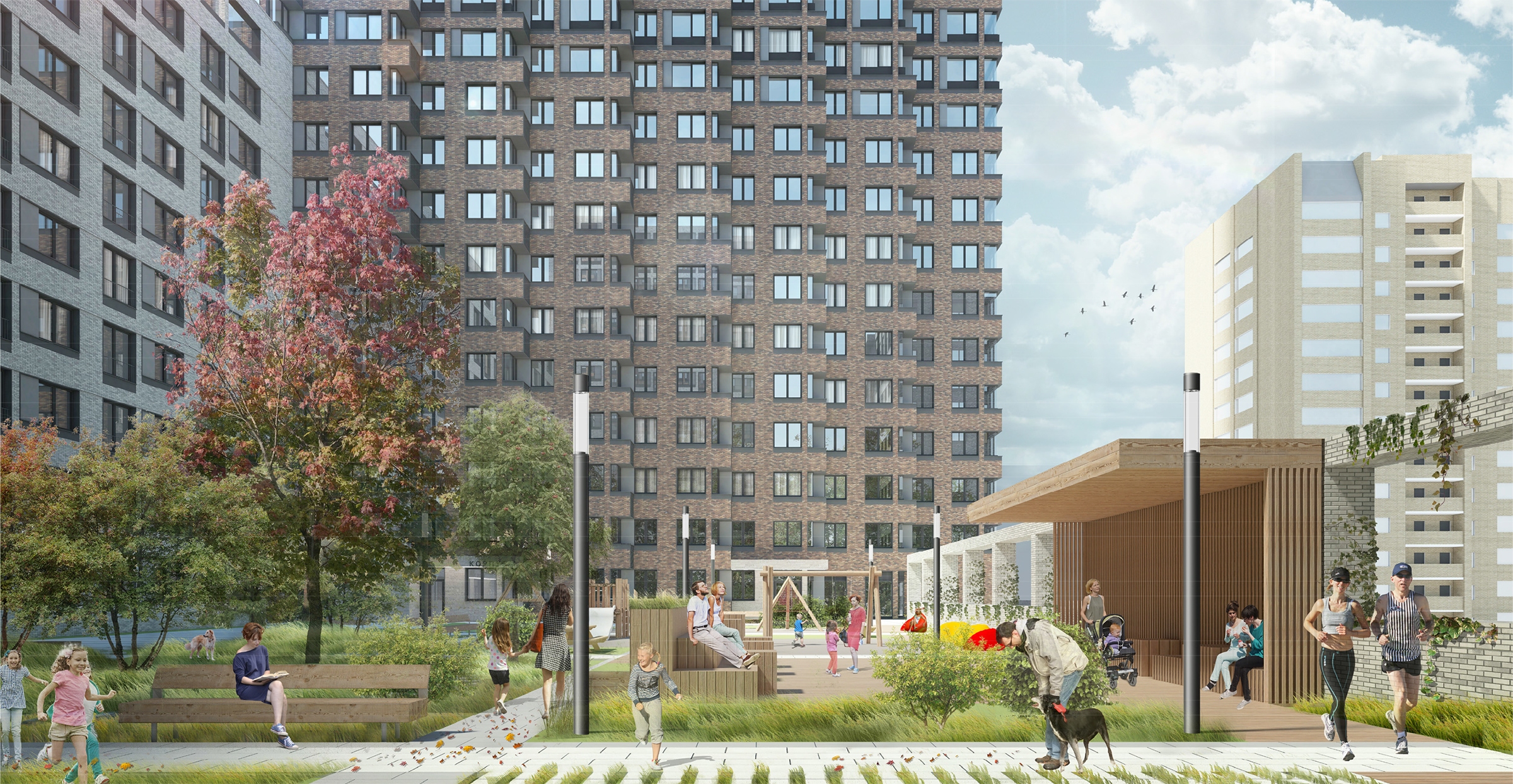

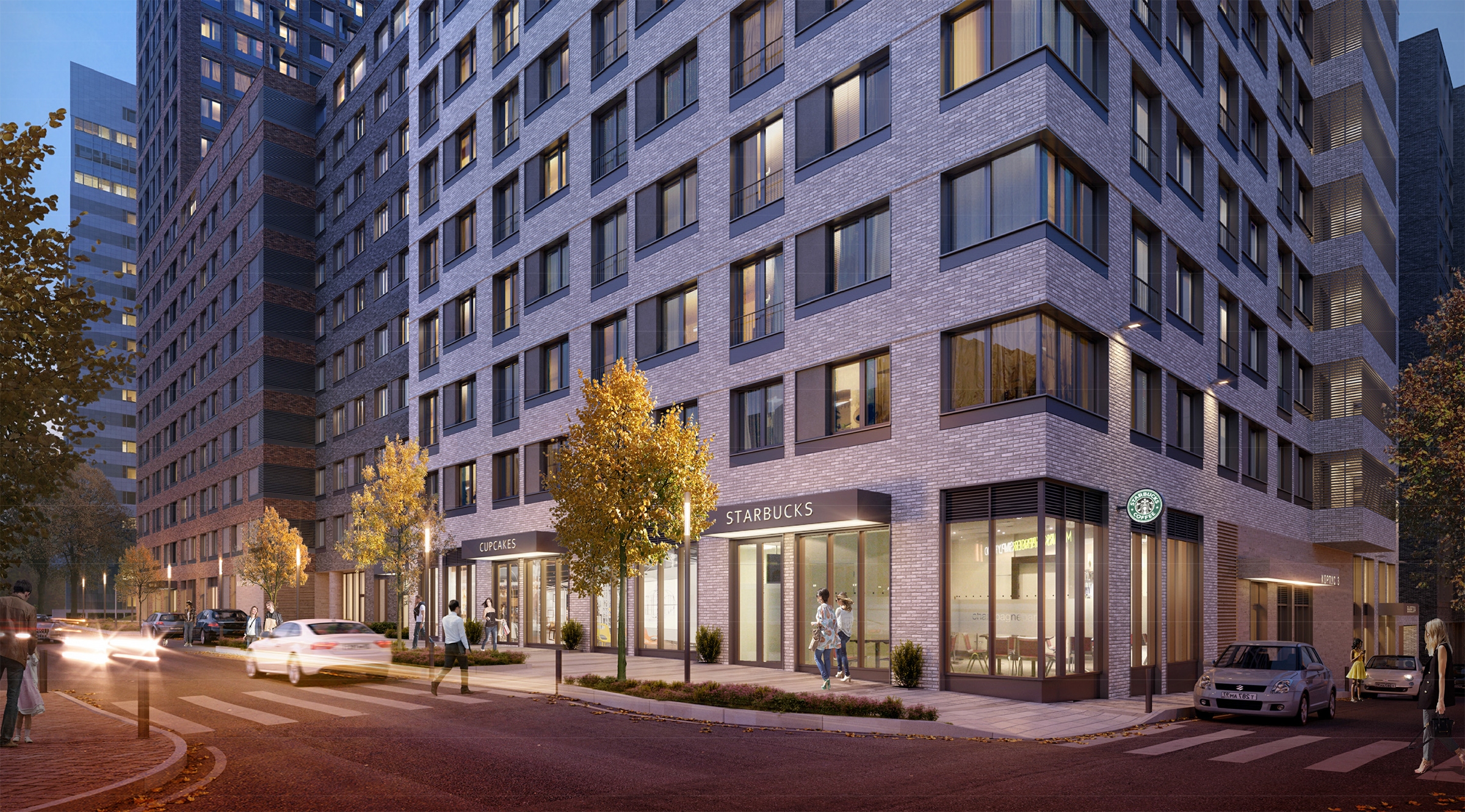
All the public functions of the ground floors – a café, a grocery store, a beauty salon, and a recreation center – are situated on the outside contour of the complex. Some of the apartments from the yard side are also situated on the first floor. All of the hallways can be accessed from the yard and from the street alike.

Multifunctional complex with places of temporary residence on the Franko Street
Copyright: © Sergey Kisselev & Partners
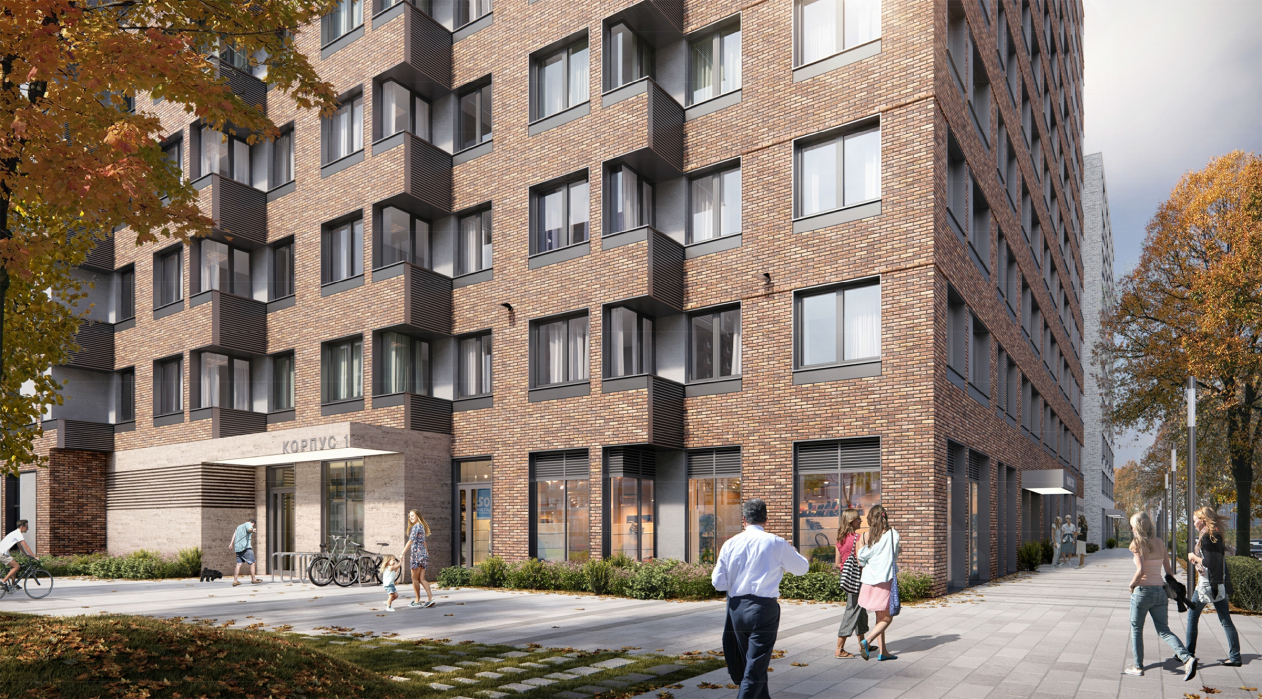
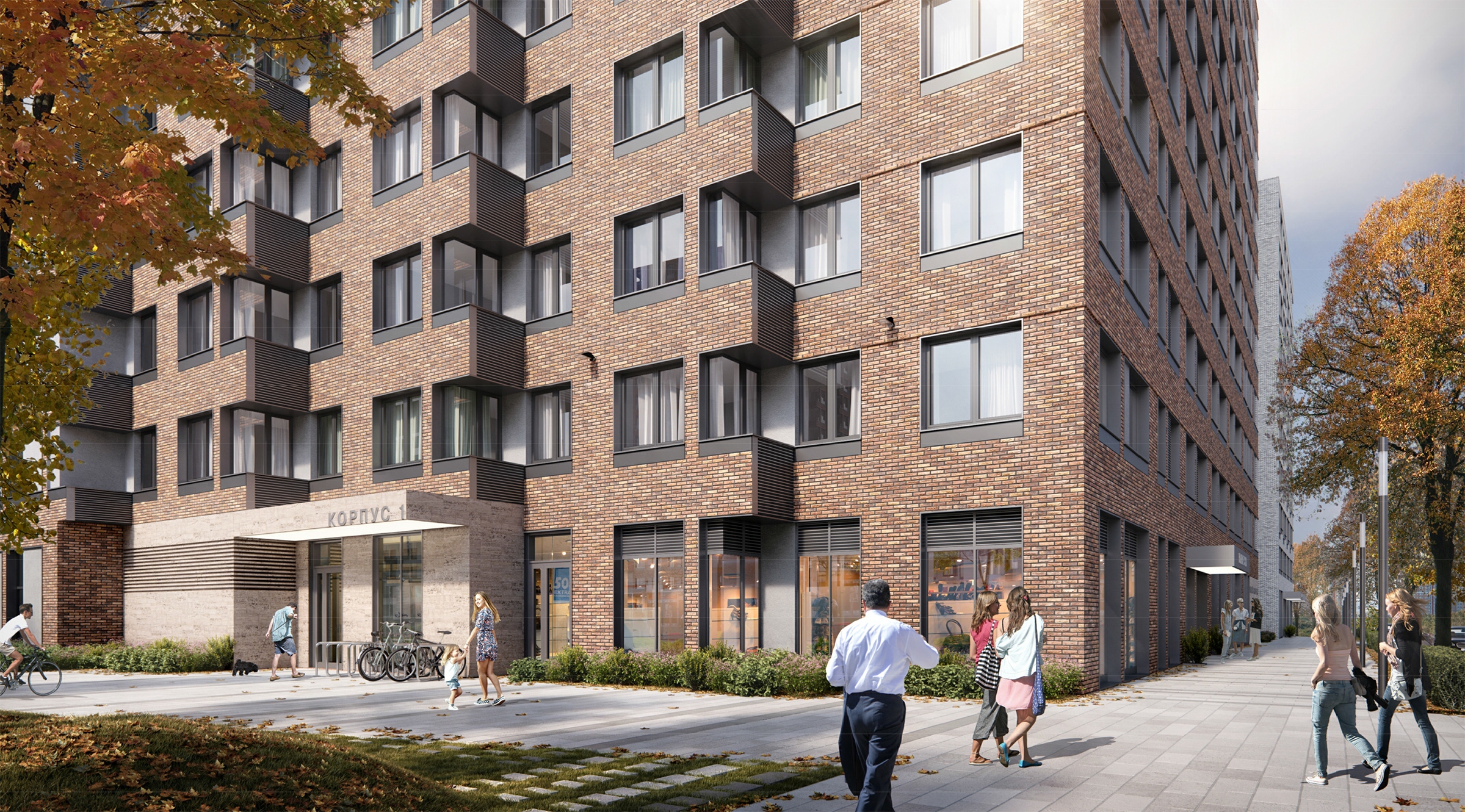
One of the important constituent parts of this project is the brick façades of various shades of color that come together to form a naturally diverse picture. The brick was chosen first of all because of the context because most of the houses around are also brick ones. The main Building 1 got an exquisite brown color, the others getting laconic but just as exquisite gray, dark and light. The façade structure enhances the fact that the buildings in the complex have a different number of floors in them: wherever a building exceeds the limit of 9 floors, the piers become noticeably thinner and the windows become larger – this solution was motivated by reasons not so much creative but purely pragmatic. Standing at a height, one gets a much better view of the surrounding scenery, and, by making the windows larger, the architects hoped to provide the future residents with better views.
-
 1 / 4Multifunctional complex with places of temporary residence on the Franko StreetCopyright: © Sergey Kisselev & Partners
-
 2 / 4Multifunctional complex with places of temporary residence on the Franko StreetCopyright: © Sergey Kisselev & Partners
-
 3 / 4Multifunctional complex with places of temporary residence on the Franko StreetCopyright: © Sergey Kisselev & Partners
-
 4 / 4Multifunctional complex with places of temporary residence on the Franko StreetCopyright: © Sergey Kisselev & Partners


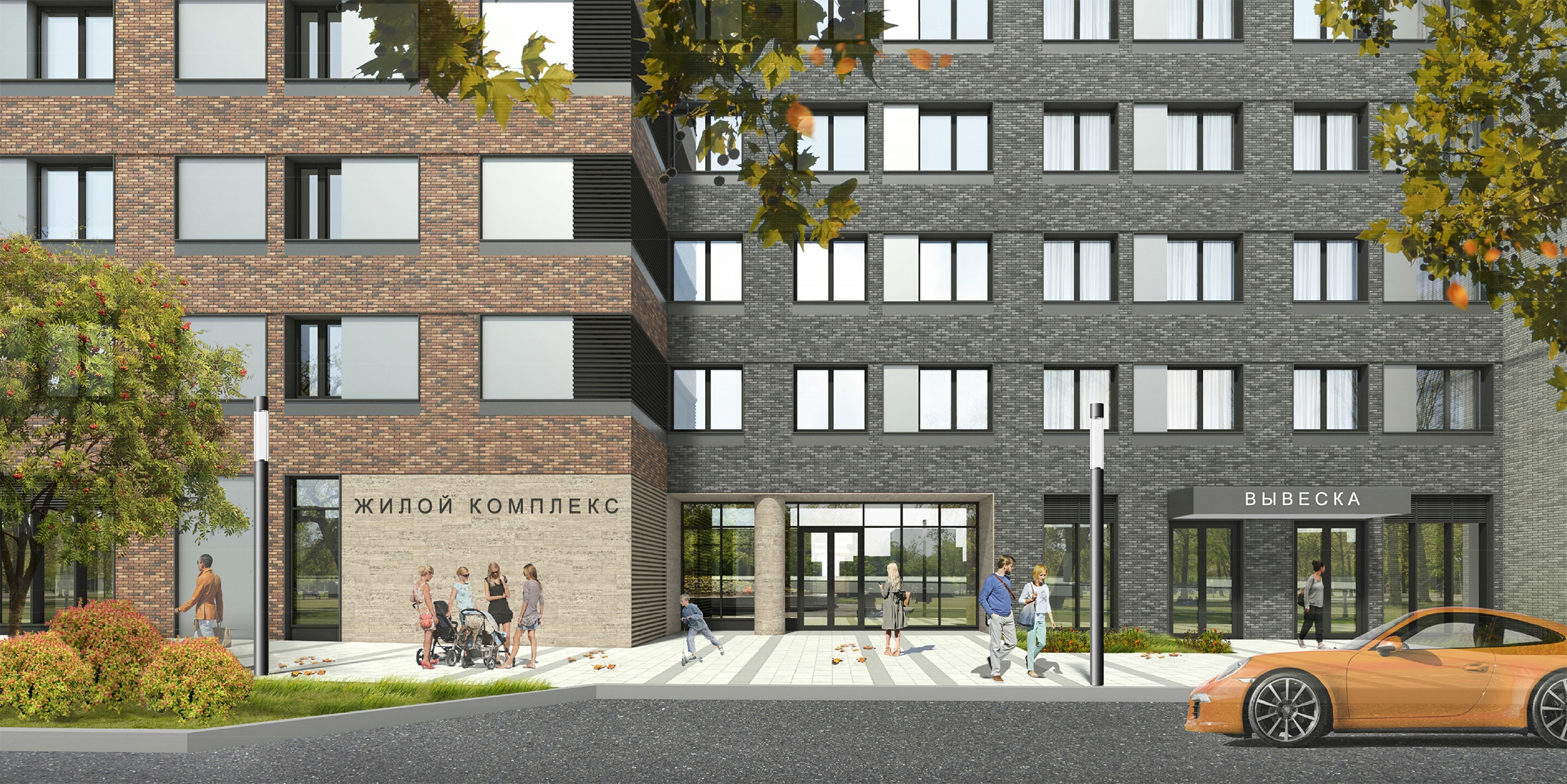

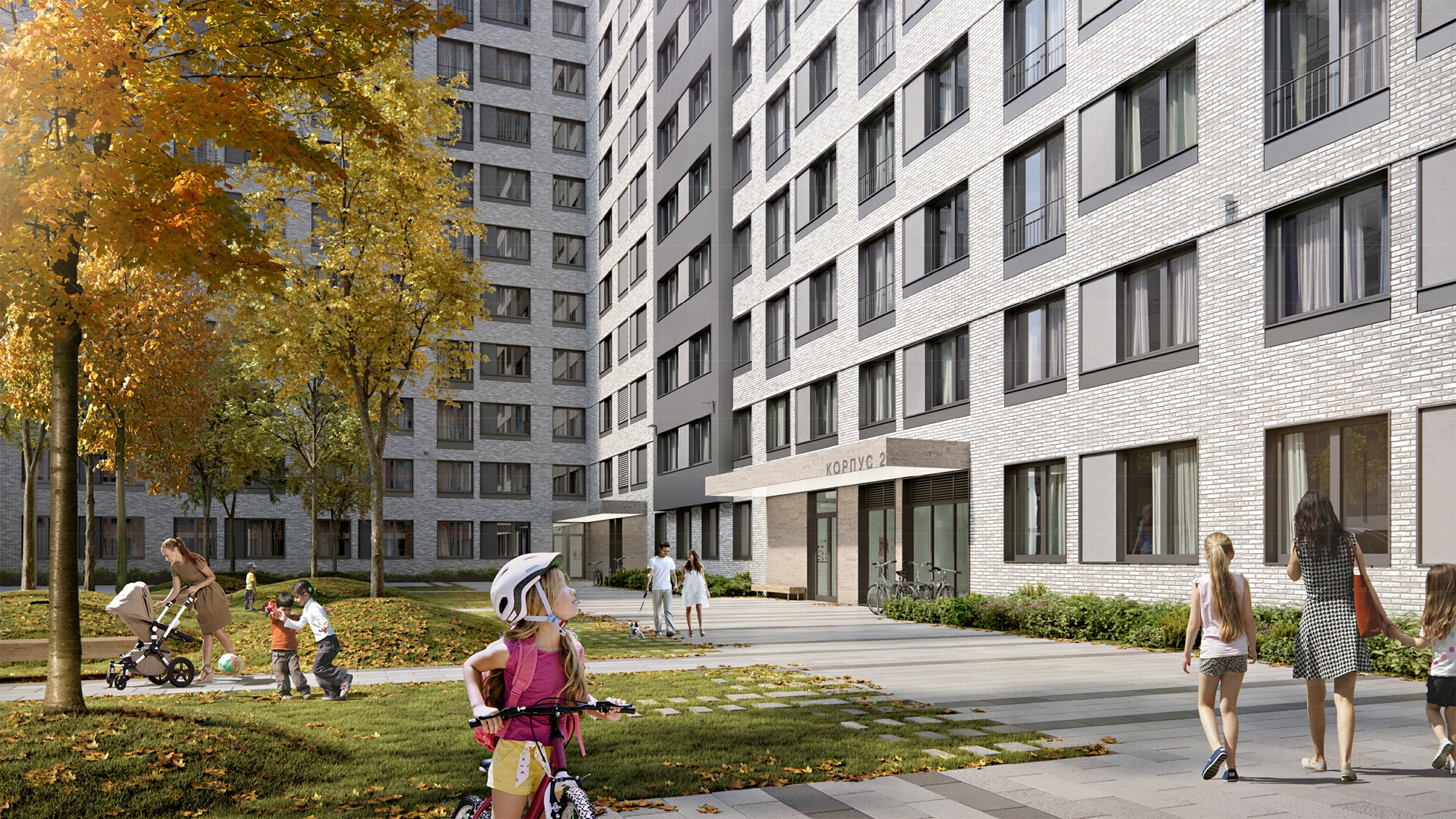

All of the façades are united with dark-gray metallic frames around the windows and inclusions of strips of the same colors at the bottom of the apertures. At some places, the windows are visually widened by white insets. One the light-colored façades, the windows rhythmically, next nearest, change their height, but they never go over the upper edge marked by a horizontal stripe of a row of bricks standing out – a barely noticeable detail in the pattern of the very reserved, or, as the architects put it, “very regular” façades. Still another nuance is milky backlighting of the marquees and laconic decor of the close pattern of slender strips, common for both metal and travertine. In the situation of declarative reserve, any detail becomes noticeable. However, there is yet another thing that is also true – the complex requires high-quality decoration materials, stone, and, above all, brick. And it will look expensive only if the architects are able to implement their ideas to the fullest.
-
 1 / 4Multifunctional complex with places of temporary residence on the Franko StreetCopyright: © Sergey Kisselev & Partners
-
 2 / 4Multifunctional complex with places of temporary residence on the Franko StreetCopyright: © Sergey Kisselev & Partners
-
 3 / 4Multifunctional complex with places of temporary residence on the Franko Street. Section viewsCopyright: © Sergey Kisselev & Partners
-
 4 / 4Multifunctional complex with places of temporary residence on the Franko Street. Section viewsCopyright: © Sergey Kisselev & Partners