|
Published on Archi.ru (https://archi.ru) |
|
| 08.04.2026 | |
|
The Space of Post-Cubism |
|
|
Julia Tarabarina |
|
| Architect: | |
| Sergei Tchoban | |
| Studio: | |
| Chart Studio | |
|
Sergei Tchoban and Alexandra Sheiner, of Studio CHART, created for the exhibition of “post-cubist” sculpture by Beatrice Sandomirskaya – a talented and even “mainstream” artist, yet almost unknown even to art historians – a space akin to her sculptural language: solidly built, confidently stereometric, and subtly expressive. It curves, emphasizing the mass of the sculpture, envelops the viewer, and guides them from one perspective to another, from a generic “shrine” to a “Madonna”. Long ago, I had a conversation with artists of the Moscow “realist” school – and they were convinced that painting, globally speaking, was thriving, while sculpture had been in deep decline since the early 20th century. Why do I mention this? Because, let’s face it, we know the sculptural avant-garde poorly. We remember Sergei Konenkov, Vera Mukhina, and, if we are to talk about the postwar period, Vadim Sidur – and, off the top of my head, that is about it.  Sergei Tchoban We aim to create for the visitor a sense of a kind of “embrace” – through the proportional relationship between the large-scale sculpture and the volume of the halls. These forms begin to interact, and the viewer gradually reads their logic. The space is structured as a sequence of landmarks – from one “guiding star” to another – along axes that I consider fundamental to architectural thinking: they focus perception. It is no coincidence that I learned a great deal from St. Petersburg, with its clear axial structure. The color scheme, meanwhile, is extremely restrained: dark ceilings and a neutral background allow the sculpture to come to the forefront, as if emerging from the space. The display occupies the ground-floor enfilade that wraps around the grand staircase of the Gallery of European and American Art at the Pushkin State Museum of Fine Arts. A sequence of rooms unfolds in a circular path: the ceilings are dark, almost black, while partitions in a warm gray tone give each room its own shape – circular, faceted, semi-oval, and so on. Each space is different, though this is not overtly emphasized; rather, it is sensed, since the color remains nearly uniform. Light, spatial configuration, and the sculptural articulation of the walls highlight the exhibits in varying ways. Without analyzing it consciously, the viewer perceives this almost subconsciously, like a kind of melody – interestingly, there seems to be no actual music here. Compared to contemporary exhibitions, which often aim to engage all the senses – smell, touch, sound – this one is strikingly laconic. It matches the character of the works on display. I should add – this is a personal impression – that Sergei Tchoban’s sketches for the exhibition, stylistically somewhere between Giacomo Quarenghi and the 1970s, are lively and beautiful; they can be appreciated as independent works in a small graphic genre.  Yet the essence of the exhibition – its stereometric progression – is best conveyed in the axonometric drawing, which reveals how clearly and precisely everything is organized: from a rotunda to a semi-rotunda, to an oval, and finally to the unfolding, almost Gian Lorenzo Bernini-like semi-elliptical perspective of the final hall, which leads us to the Madonna (though she is never explicitly named, it seems). The arrangement of the round “columns” of the pedestals is also crucial – they are not merely supports but formative elements of the space, which thus becomes closely intertwined with the exhibits. The cylindrical pedestals allow each sculpture to be viewed from all sides, emphasizing its three-dimensional character. At the same time, they evoke that fascination with archaic forms so characteristic of the 20th century. For me, at least, the first circular hall strongly recalls a pagan shrine. The cylindrical supports, however, also resemble columns – but not just any columns; rather, abstract, metaphysical ones that took root in visual culture in the 1930s. It is no coincidence that a painting by Giorgio de Chirico is among the references. Igor Smekalov defines Sandomirskaya’s sculpture as “post-Cubist”. Among her early works – known mostly from photographs – there is indeed Cubism in its pure form, as well as the counter-relief mentioned earlier, recalling Vladimir Tatlin. Yet fairly early on she moved toward figurative sculpture with a strong degree of generalization, filtered through her interest in so-called “primitive” art – and executed primarily in wood. These explorations remained central to her work throughout her life. So, post-Cubism! Perhaps post-avant-garde? And yet this is not “post-Constructivism”, as we are used to calling the somewhat embarrassed retreat toward the classical language favored by the authorities or, as the exhibition text puts it, “…thematically charged academicism”. Beatrice Sandomirskaya remained within a global context – which in the 1930s also turned toward a greater degree of metaphysical expression. Here, Giorgio de Chirico comes to mind again. Sergei Tchoban once designed an exhibition of his work at the Tretyakov Gallery on Krymsky Val: it featured a white background and simple yet recognizable forms – an arch, perhaps even the shaft of a fluted column. In the present exhibition, there are no such “illustrative” volumes. Yet one can imagine that here the architect immerses the entire display in a space of “post-Cubism”, treating stereometric forms as cavities into which both sculpture and viewer are placed. Like caves – the first dwellings and the first temples of that archaic world so admired by the avant-garde, and evoked here through references to African figurines. Who really knows what this “post-Cubism” is? Yet one can feel a certain tendency – borrowed by Cubism from Paul Cézanne – to reduce natural form to an underlying eidos, making volume something non-arbitrary. This is perceptible in the shaping of the halls: a kind of classicism “in suspension”, reminiscent of korai and kouroi. There is something temple-like here – above all, the centripetal, self-contained, inwardly focused space of rotunda temples, especially those with undecorated interiors. There is, however, one – just one – “direct” classical device: stepped pediments above the passages from one hall to another. They are placed on one side only, so that if you see a pediment, you know you are moving through the exhibition in the “correct” direction. Though, of course, one can walk it in reverse as well. Speaking of transitions between rooms: as Sergei Tchoban aptly notes, no less important than the enveloping form of the halls – which “embraces” the viewer and places them within a kind of cocoon for focused perception – are the visual axes that connect them. In almost every case, a sculpture is visible ahead in the next room, again evoking something temple-like – perhaps more in line with our imagined notions of pagan sanctuaries than with Christian ones; or, as the architect suggests, like a compositional accent within a city. And what if this city is a cave-city, archaic? We enter its “pagan sanctuary”, immerse ourselves – and at the same time, something always glimmers ahead, guiding us onward, leading us toward the exit, where the horseshoe-shaped opening of space “releases” the viewer – now familiar not only with Lunacharsky, but with “aliens” as well – granting, only at the very end, a chance to bow before the Madonna. 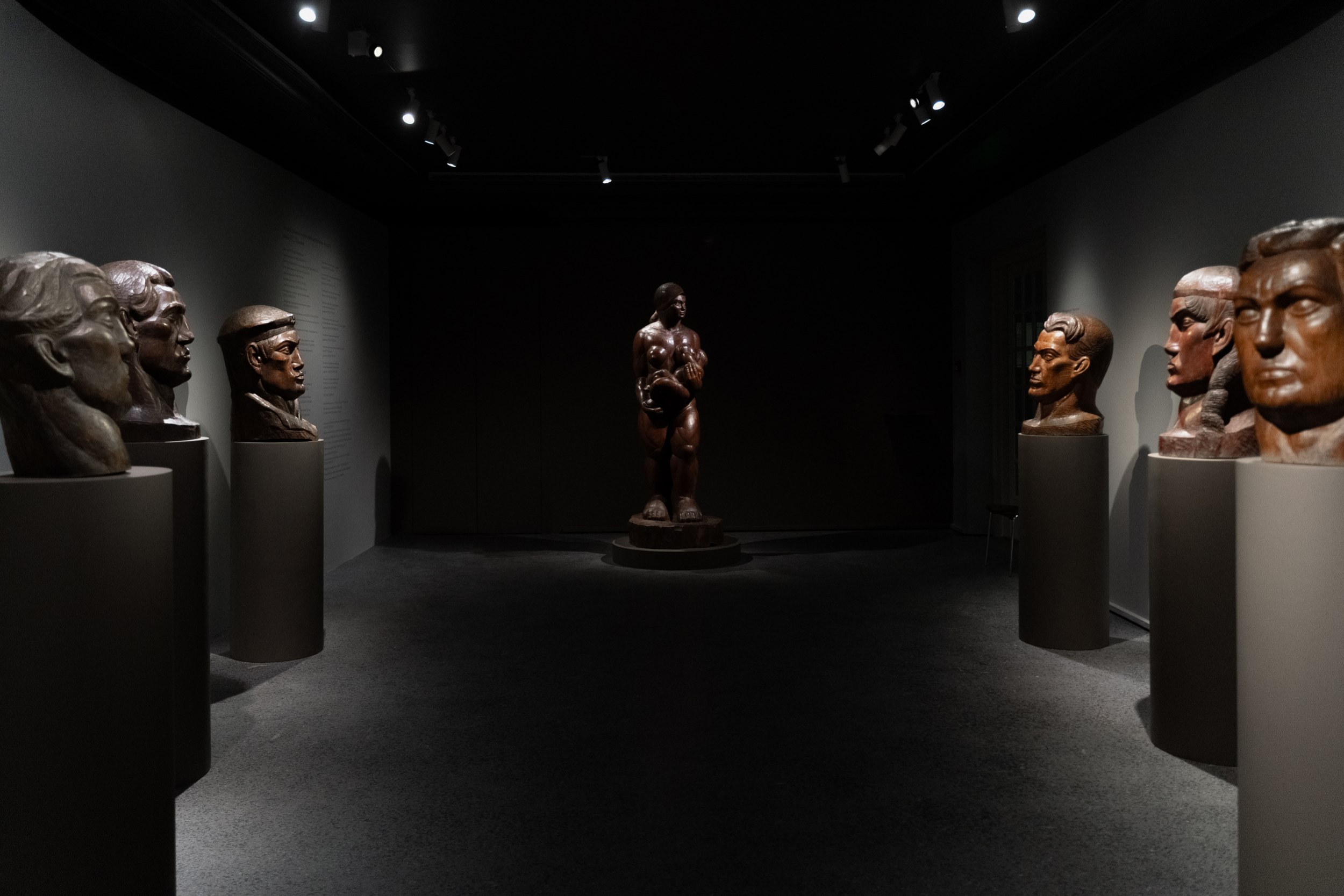 Exhibition “Beatrice Sandomirskaya, 1894-1974”, Pushkin State Museum of Fine Arts; exhibition design by Studio CHARTCopyright: Photograph courtesy of the Pushkin State Museum of Fine Arts press office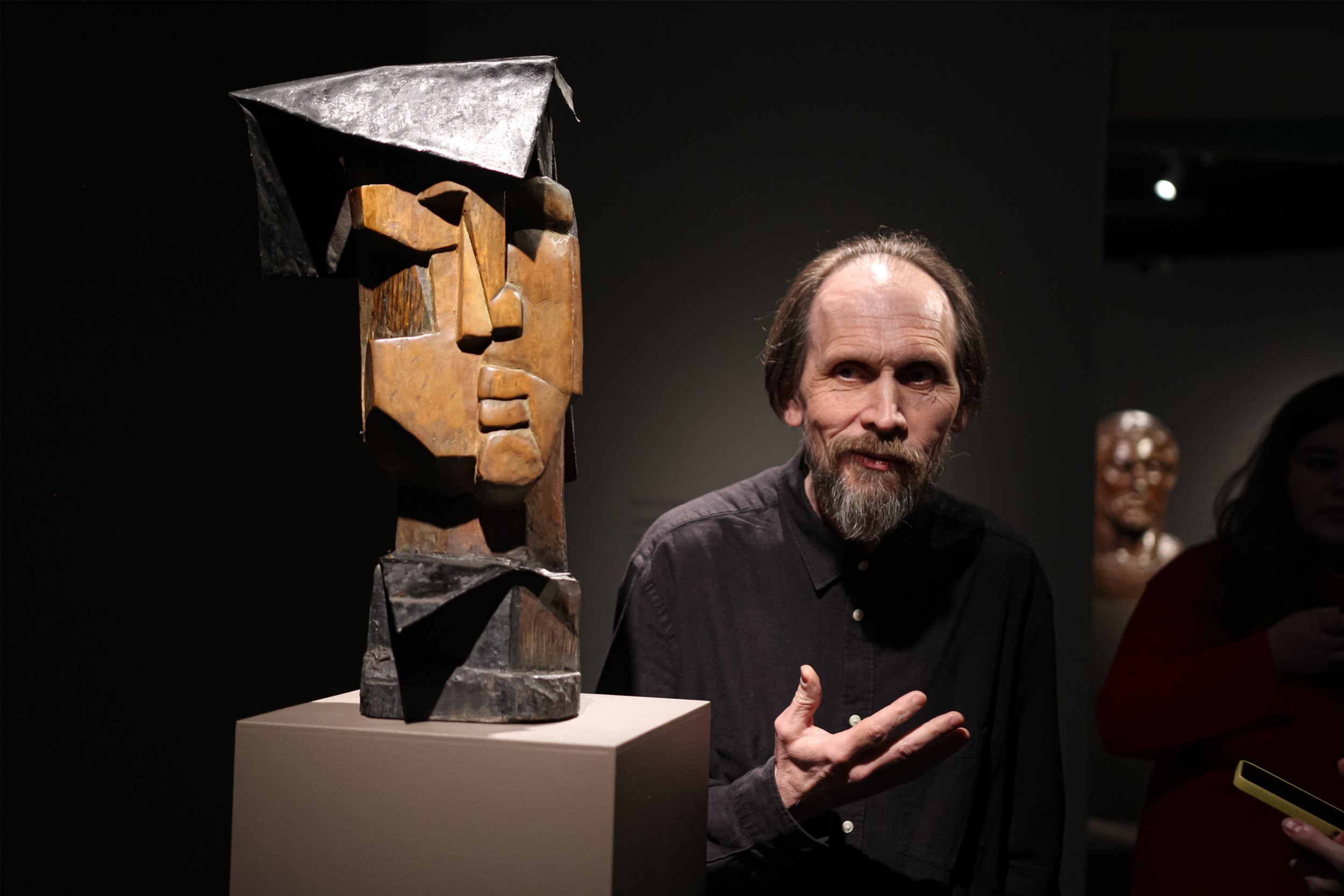 Exhibition “Beatrice Sandomirskaya, 1894-1974”, Pushkin State Museum of Fine Arts; exhibition design by Studio CHARTCopyright: Photograph © Julia Tarabarina, Archi.ru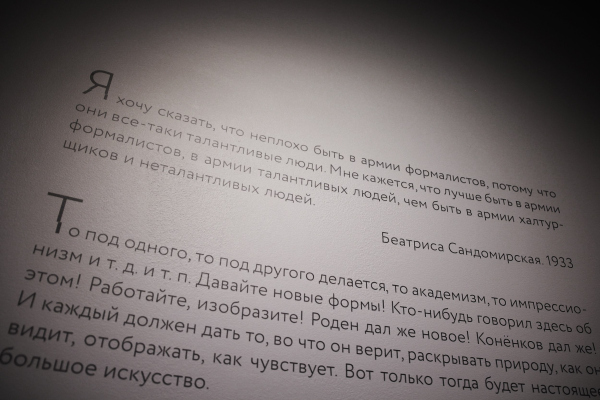 Exhibition “Beatrice Sandomirskaya, 1894-1974”, Pushkin State Museum of Fine Arts; exhibition design by Studio CHARTCopyright: Photograph © Julia Tarabarina, Archi.ru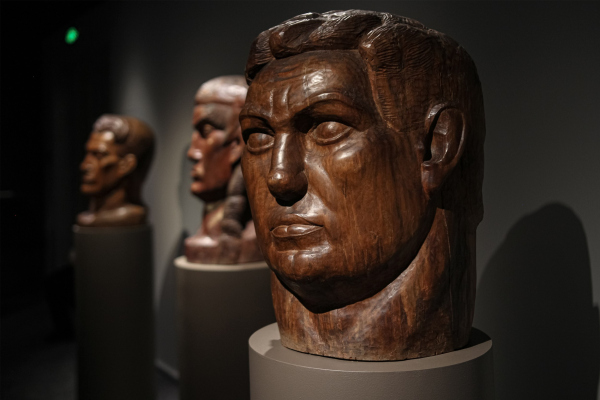 Exhibition “Beatrice Sandomirskaya, 1894-1974”, Pushkin State Museum of Fine Arts; exhibition design by Studio CHARTCopyright: Photograph © Julia Tarabarina, Archi.ru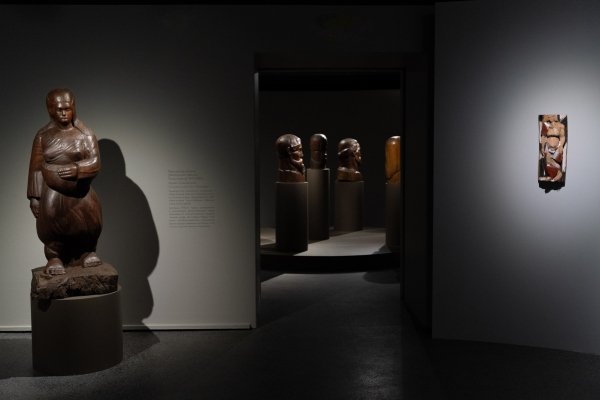 Exhibition “Beatrice Sandomirskaya, 1894-1974”, Pushkin State Museum of Fine Arts; exhibition design by Studio CHARTCopyright: Photograph courtesy of the Pushkin State Museum of Fine Arts press office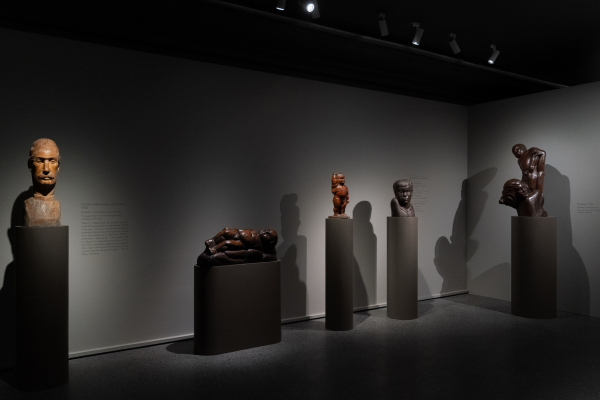 Exhibition “Beatrice Sandomirskaya, 1894-1974”, Pushkin State Museum of Fine Arts; exhibition design by Studio CHARTCopyright: Photograph courtesy of the Pushkin State Museum of Fine Arts press office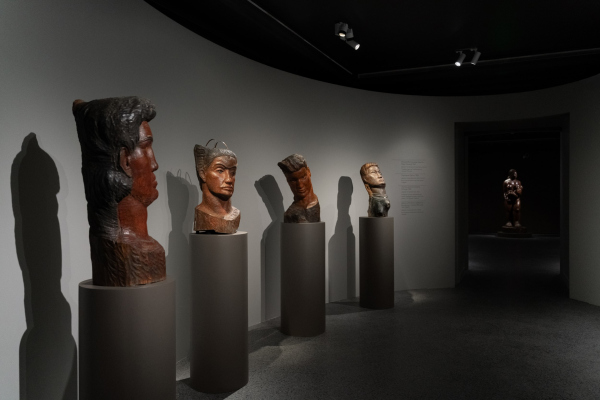 Exhibition “Beatrice Sandomirskaya, 1894-1974”, Pushkin State Museum of Fine Arts; exhibition design by Studio CHARTCopyright: Photograph courtesy of the Pushkin State Museum of Fine Arts press office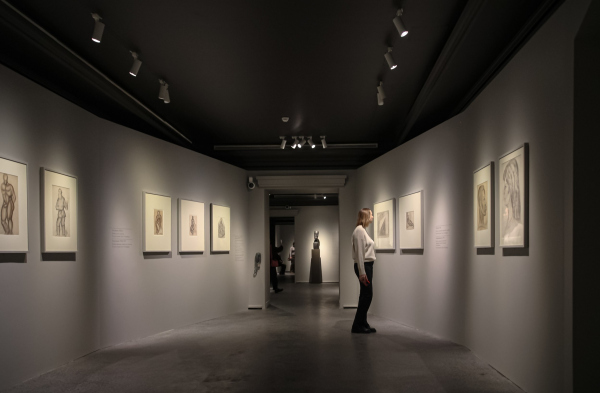 Exhibition “Beatrice Sandomirskaya, 1894-1974”, Pushkin State Museum of Fine Arts; exhibition design by Studio CHARTCopyright: Photograph © Julia Tarabarina, Archi.ru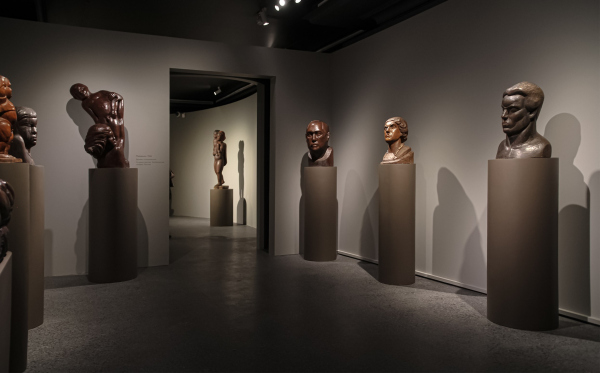 Exhibition “Beatrice Sandomirskaya, 1894-1974”, Pushkin State Museum of Fine Arts; exhibition design by Studio CHARTCopyright: Photograph © Julia Tarabarina, Archi.ru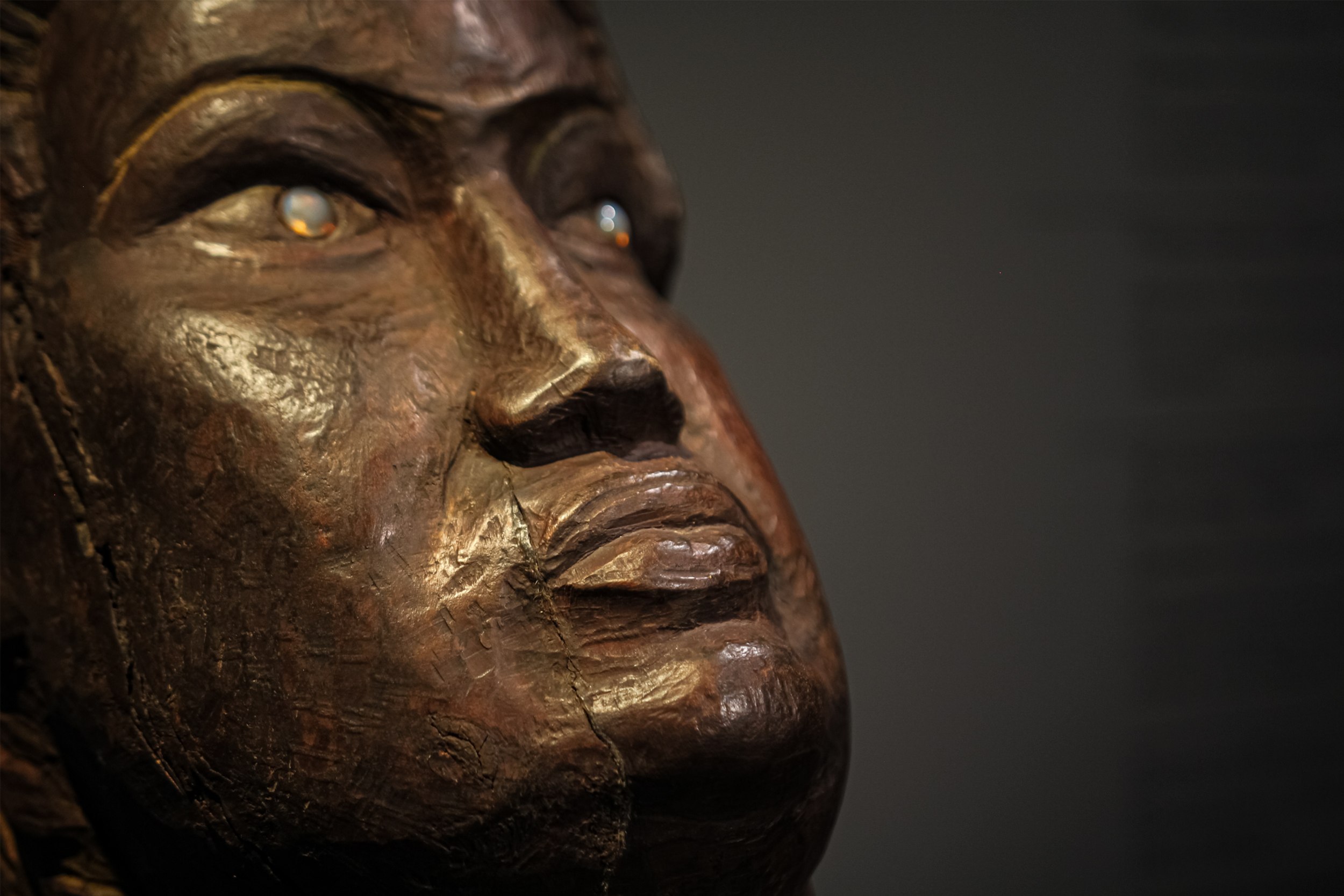 Exhibition “Beatrice Sandomirskaya, 1894-1974”, Pushkin State Museum of Fine Arts; exhibition design by Studio CHARTCopyright: Photograph © Julia Tarabarina, Archi.ru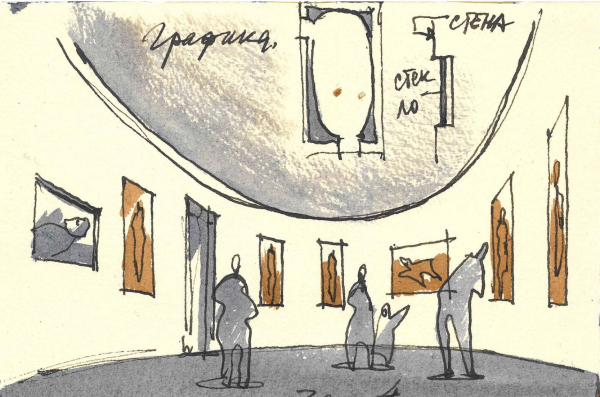 Exhibition design sketch. Exhibition “Beatrice Sandomirskaya, 1894-1974”, Pushkin State Museum of Fine ArtsCopyright: © Sergei Tchoban / CHART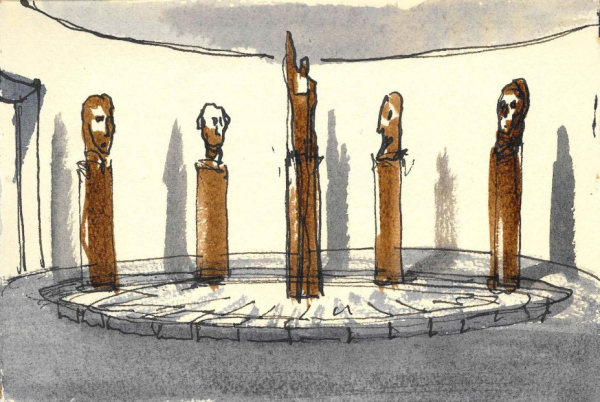 Exhibition design sketch. Exhibition “Beatrice Sandomirskaya, 1894-1974”, Pushkin State Museum of Fine ArtsCopyright: © Sergei Tchoban / CHART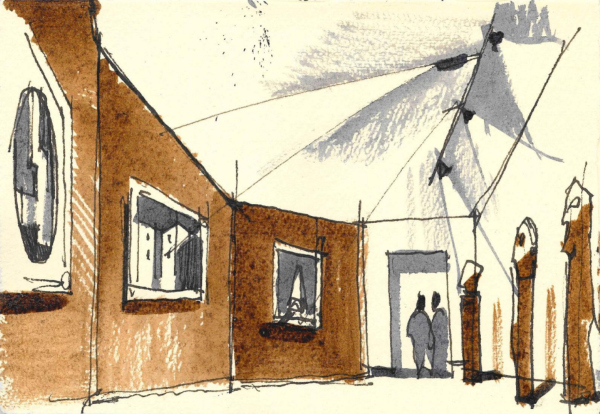 Exhibition design sketch. Exhibition “Beatrice Sandomirskaya, 1894-1974”, Pushkin State Museum of Fine ArtsCopyright: © Sergei Tchoban / CHART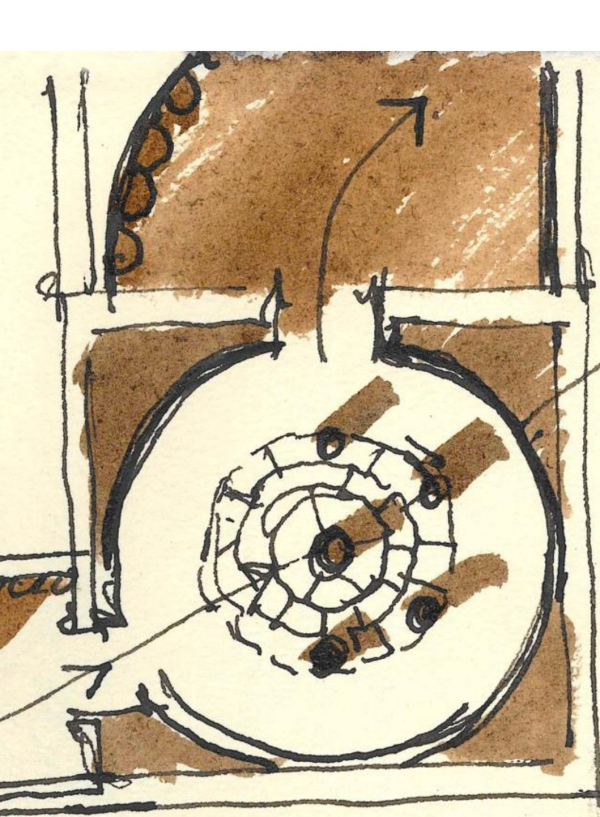 Exhibition design sketch. Exhibition “Beatrice Sandomirskaya, 1894-1974”, Pushkin State Museum of Fine ArtsCopyright: © Sergei Tchoban / CHART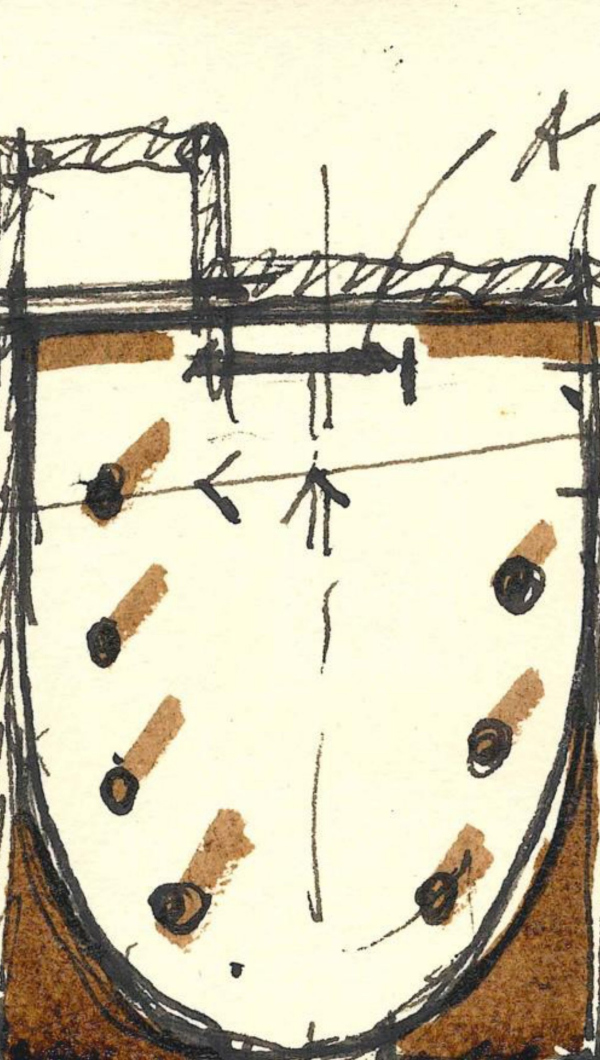 Exhibition design sketch. Exhibition “Beatrice Sandomirskaya, 1894-1974”, Pushkin State Museum of Fine ArtsCopyright: © Sergei Tchoban / CHART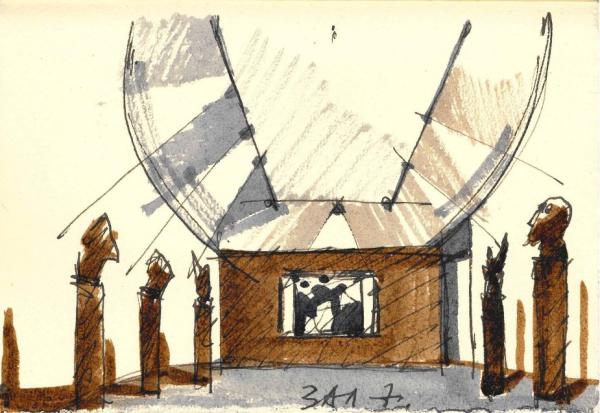 Exhibition design sketch. Exhibition “Beatrice Sandomirskaya, 1894-1974”, Pushkin State Museum of Fine ArtsCopyright: © Sergei Tchoban / CHART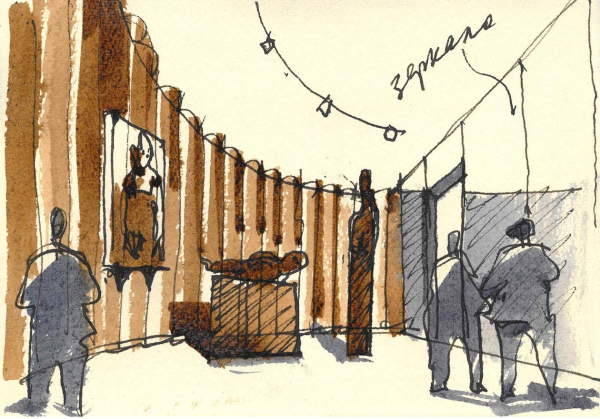 Exhibition design sketch. Exhibition “Beatrice Sandomirskaya, 1894-1974”, Pushkin State Museum of Fine ArtsCopyright: © Sergei Tchoban / CHART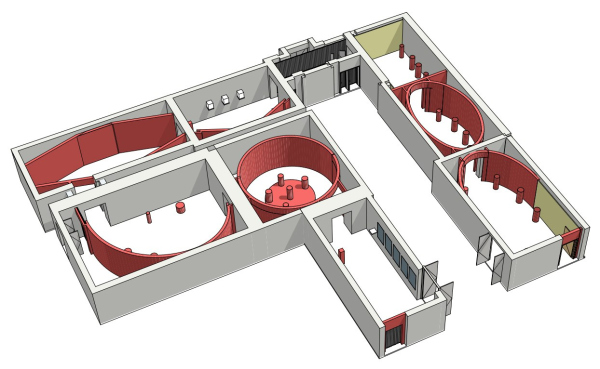 Exhibition “Beatrice Sandomirskaya, 1894-1974”, Pushkin State Museum of Fine Arts; exhibition design, axonometry of the hallsCopyright: © CHART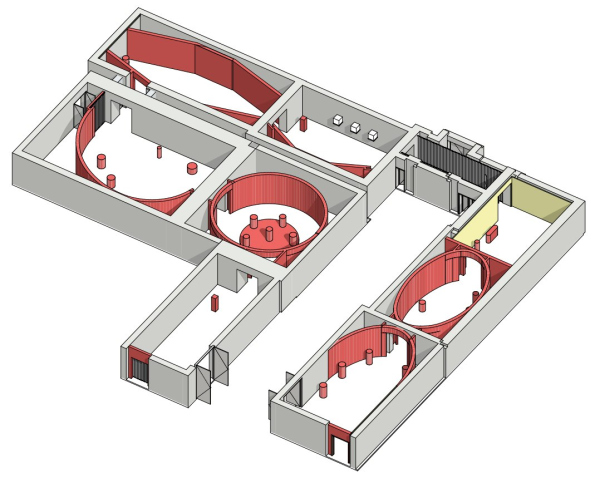 Exhibition “Beatrice Sandomirskaya, 1894-1974”, Pushkin State Museum of Fine Arts; exhibition design, axonometry of the hallsCopyright: © CHART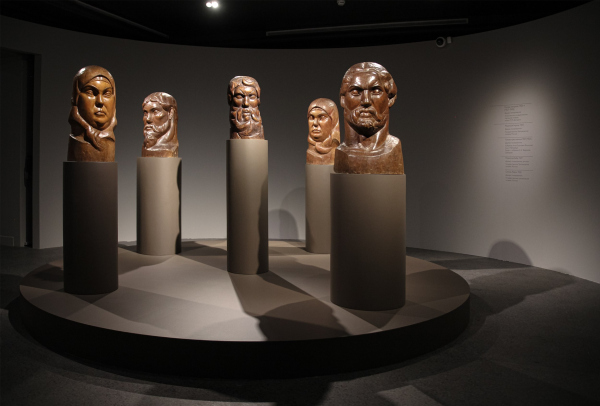 Exhibition “Beatrice Sandomirskaya, 1894-1974”, Pushkin State Museum of Fine Arts; exhibition design by Studio CHARTCopyright: Photograph © Julia Tarabarina, Archi.ru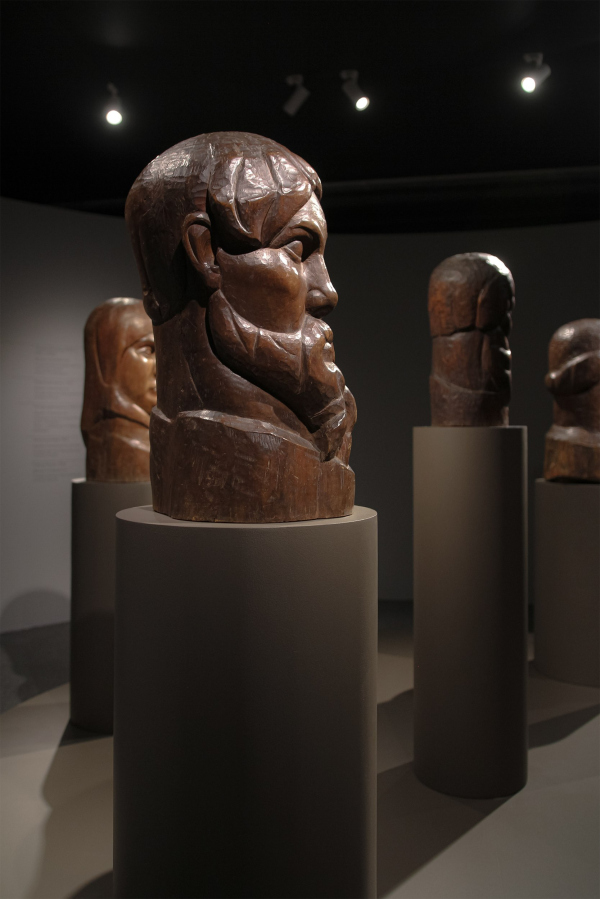 Exhibition “Beatrice Sandomirskaya, 1894-1974”, Pushkin State Museum of Fine Arts; exhibition design by Studio CHARTCopyright: Photograph © Julia Tarabarina, Archi.ru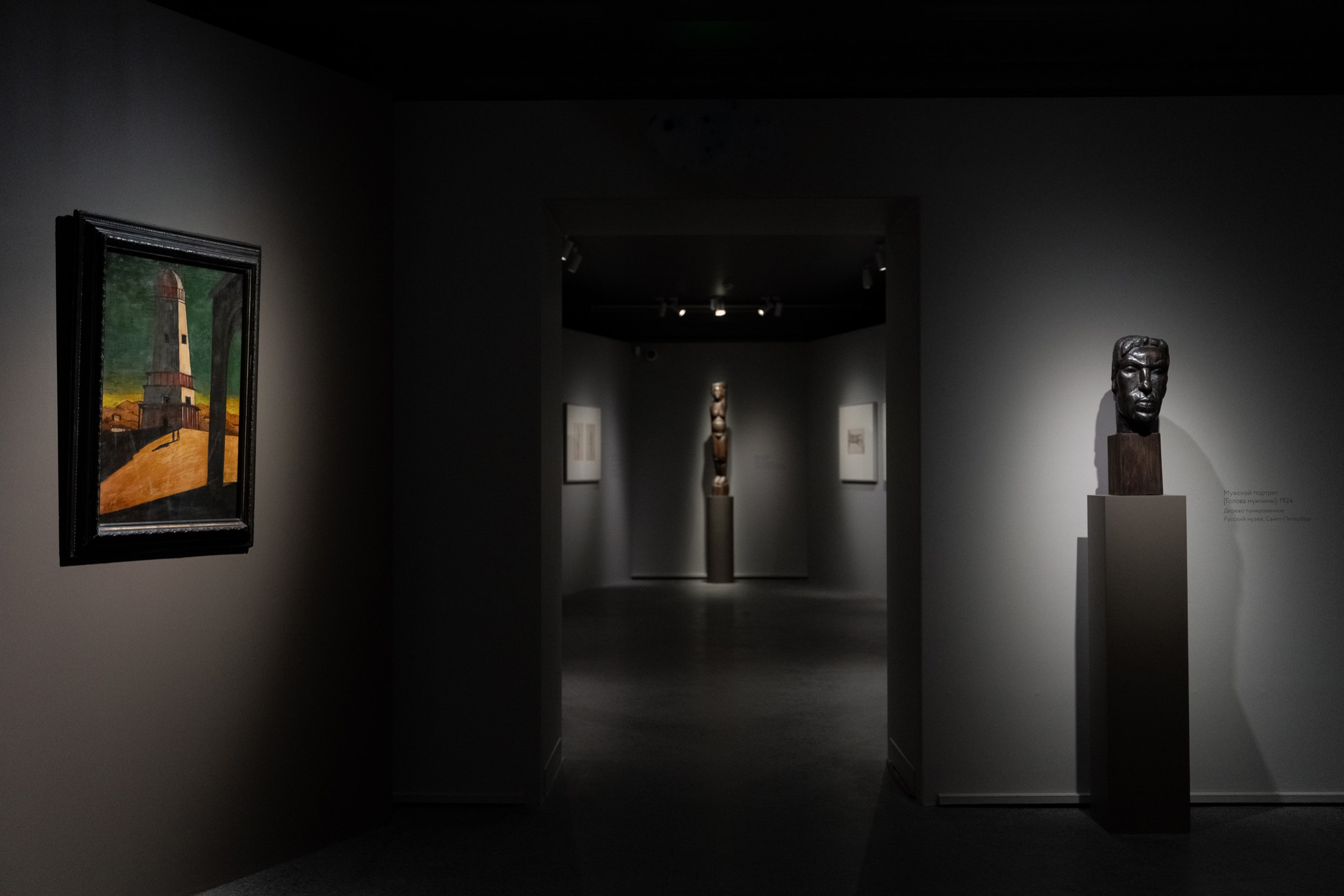 Exhibition “Beatrice Sandomirskaya, 1894-1974”, Pushkin State Museum of Fine Arts; exhibition design by Studio CHARTCopyright: Photograph courtesy of the Pushkin State Museum of Fine Arts press office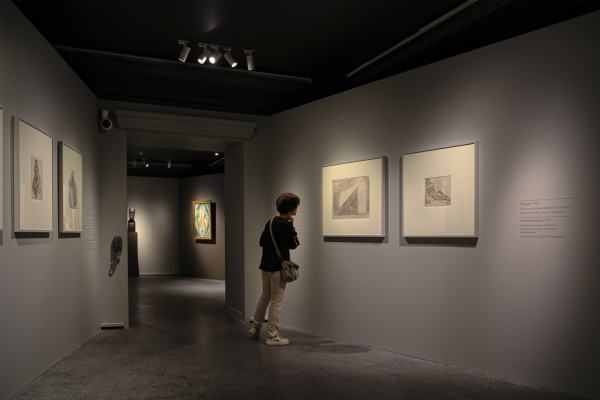 Exhibition “Beatrice Sandomirskaya, 1894-1974”, Pushkin State Museum of Fine Arts; exhibition design by Studio CHARTCopyright: Photograph © Julia Tarabarina, Archi.ru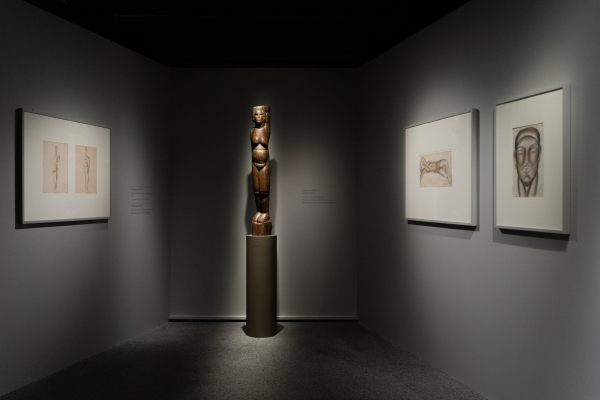 Exhibition “Beatrice Sandomirskaya, 1894-1974”, Pushkin State Museum of Fine Arts; exhibition design by Studio CHARTCopyright: Photograph courtesy of the Pushkin State Museum of Fine Arts press office |
|