|
Published on Archi.ru (https://archi.ru) |
|
| 24.03.2026 | |
|
The Penguin House |
|
|
Anatoly Belov |
|
| Architect: | |
| Alexander Skokan | |
| Valery Kanyashin | |
| Studio: | |
| Ostozhenka Bureau | |
|
The building with a curved façade on Brestskaya Street is one of the manifestos of Russian neomodernism of the early 2000s, a sculpture – this is how Anatoly Belov interprets it, speaking of “breaking from the modernist canon and the contextual approach”. We do not fully agree with the author, but his perspective is an interesting one. In what cases is it appropriate to consider architecture as a sculptural form? By what means does it acquire this quality of “sculpturality”? Why, for instance, is the chapel of Notre-Dame-du-Haut in Ronchamp, designed by Le Corbusier, unquestionably a sculpture, while the so-called Marseille Block by the same architect is much harder to describe as such? (If anything, it is closer to painting.) In his articles “The Revolt of the Guilds” and “The Uniqueness of Space”, published in the 13th issue of “Project Klassika” on the theme “Architecture as Sculpture”, Grigory Revzin interprets the phenomenon of the house-as-sculpture as an antithesis to replication and industrialization, defining sculptural form-making as a characteristic feature of the whole neomodernist architecture. It is worth quoting from the second article: 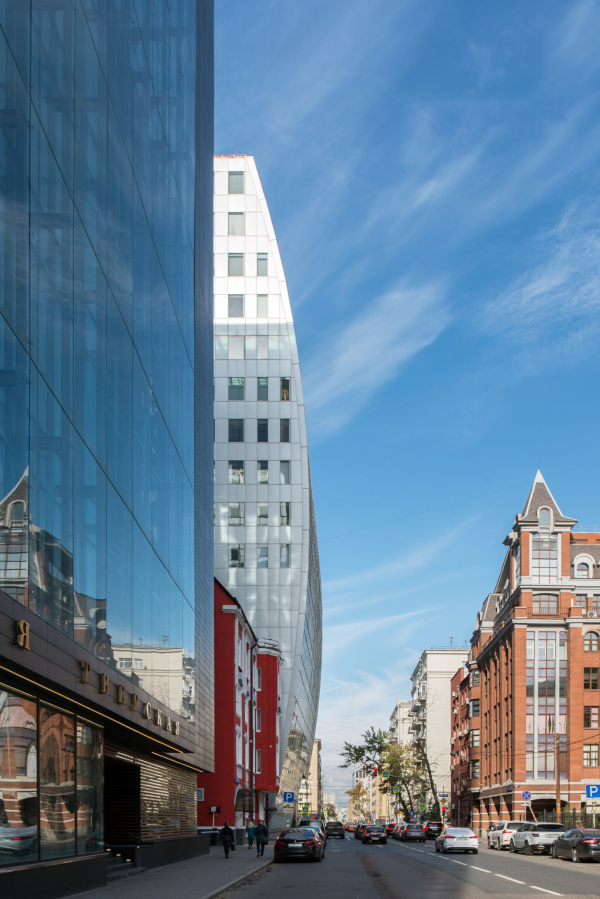 Office building, 1st Brestskaya StreetCopyright: Photograph © Aleksey Naroditsky / Ostozhenka Architects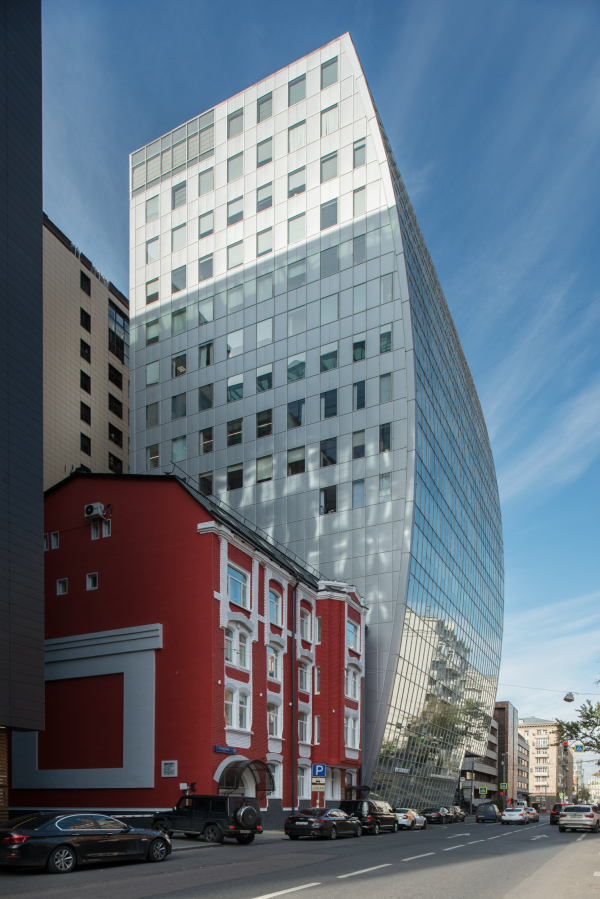 Office building, 1st Brestskaya StreetCopyright: Photograph © Aleksey Naroditsky / Ostozhenka Architects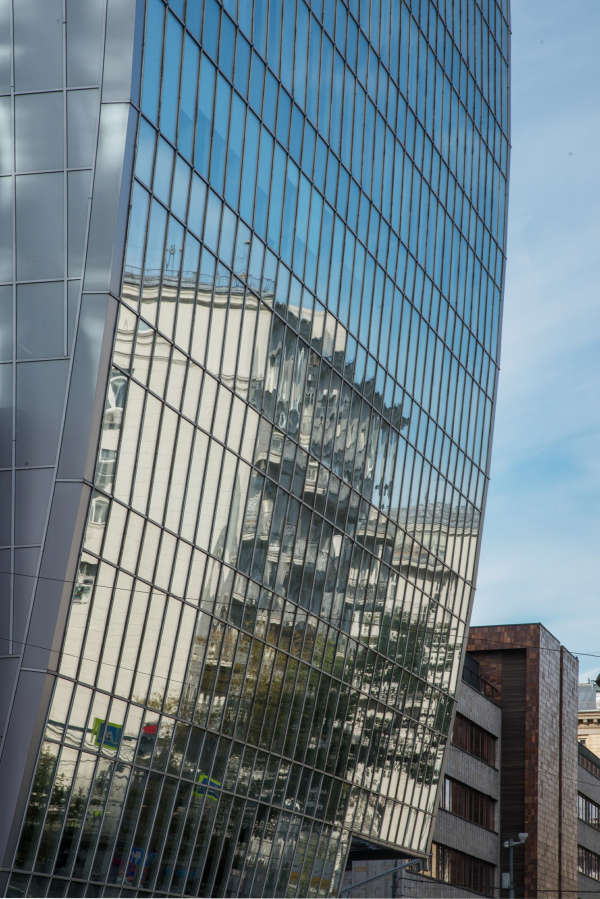 Office building, 1st Brestskaya StreetCopyright: Photograph © Aleksey Naroditsky / Ostozhenka Architects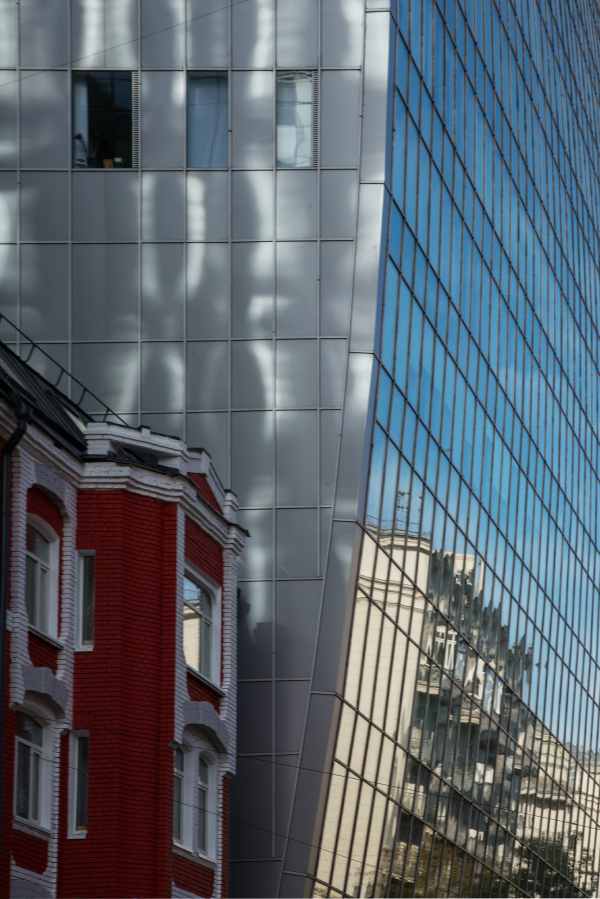 Office building, 1st Brestskaya StreetCopyright: Photograph © Aleksey Naroditsky / Ostozhenka Architects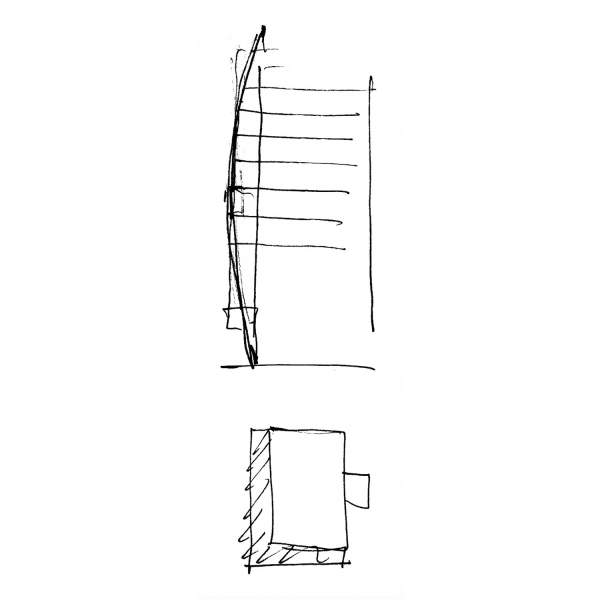 Office building, a sketch. 1st Brestskaya StreetCopyright: © Sketch by Valery Kanyashin, Ostozhenka Architects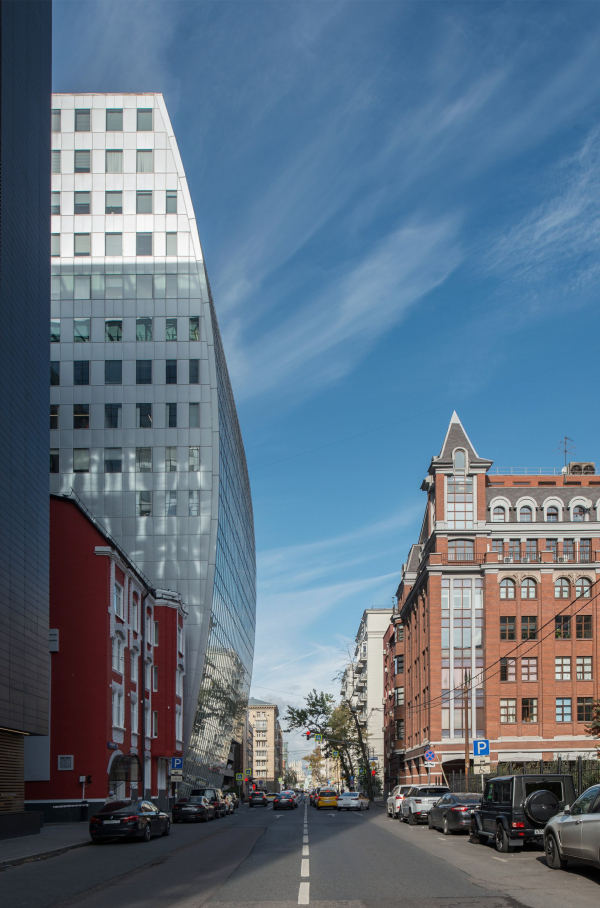 Office building, 1st Brestskaya StreetCopyright: Photograph © Aleksey Naroditsky / Ostozhenka Architects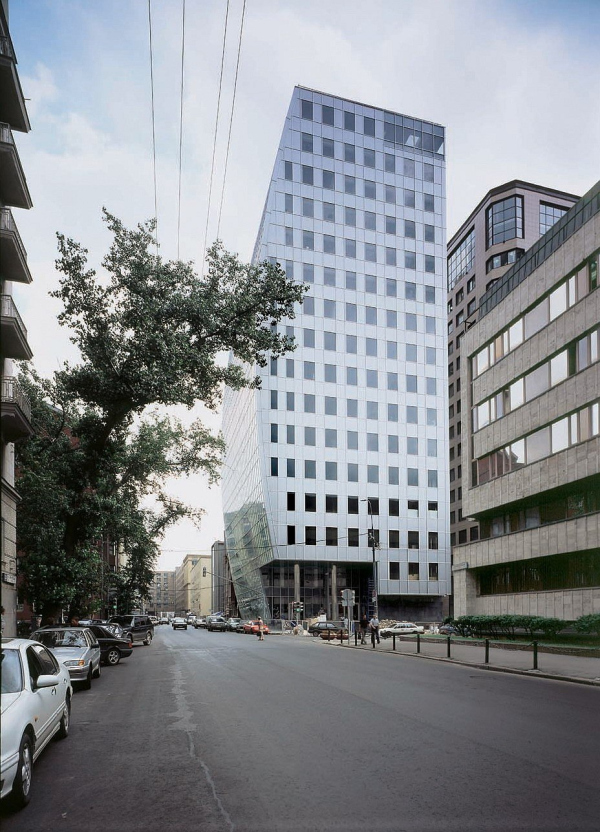 Office building, 1st Brestskaya StreetCopyright: © Ostozhenka Architects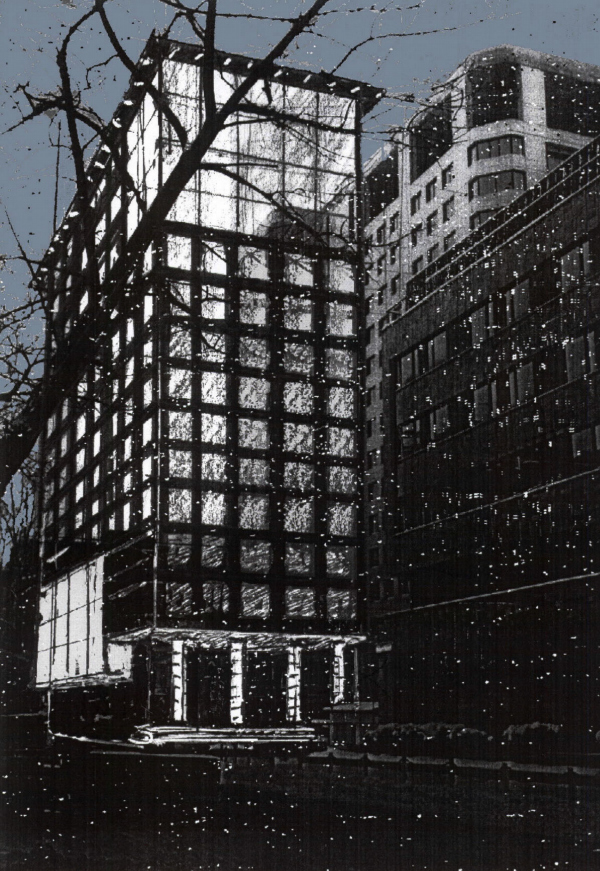 Office building, 1st Brestskaya StreetCopyright: © Sketch by Valery Kanyashin, Ostozhenka Architects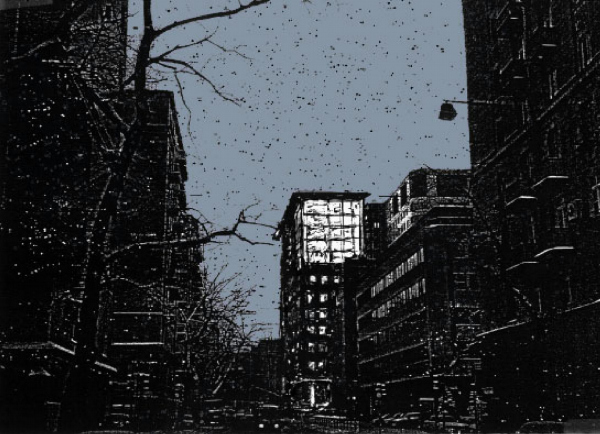 Office building, 1st Brestskaya StreetCopyright: © Sketch by Valery Kanyashin, Ostozhenka Architects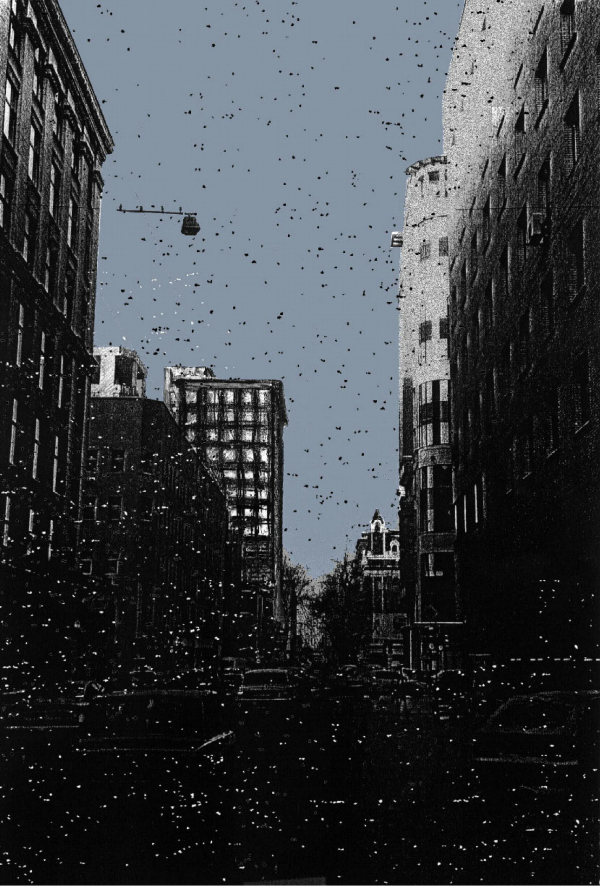 Office building, 1st Brestskaya StreetCopyright: © Sketch by Valery Kanyashin, Ostozhenka Architects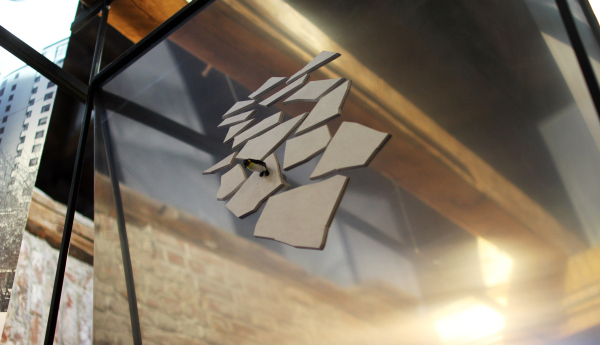 The Penguin House. Installation in the Museum of ArchitectureCopyright: © Ostozhenka Architects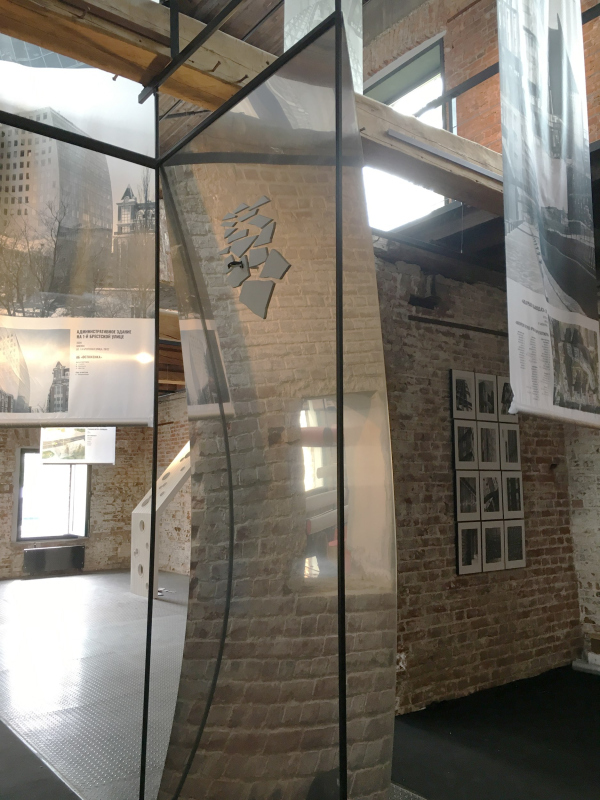 The Penguin House. Installation in the Museum of ArchitectureCopyright: © Ostozhenka Architects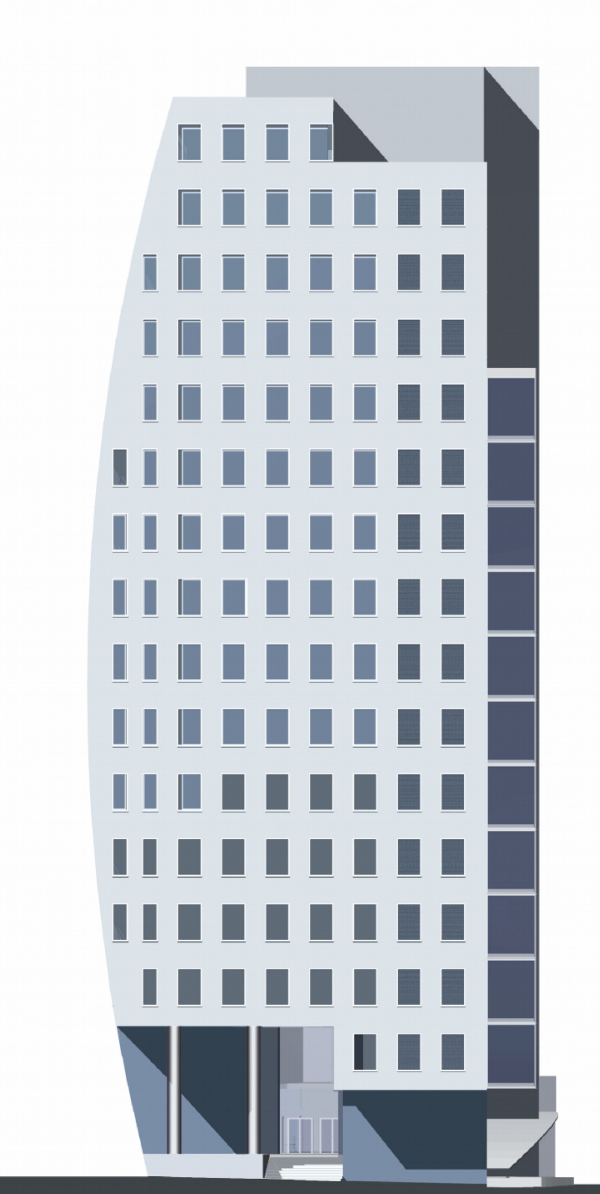 Office building, 1st Brestskaya StreetCopyright: © Ostozhenka Architects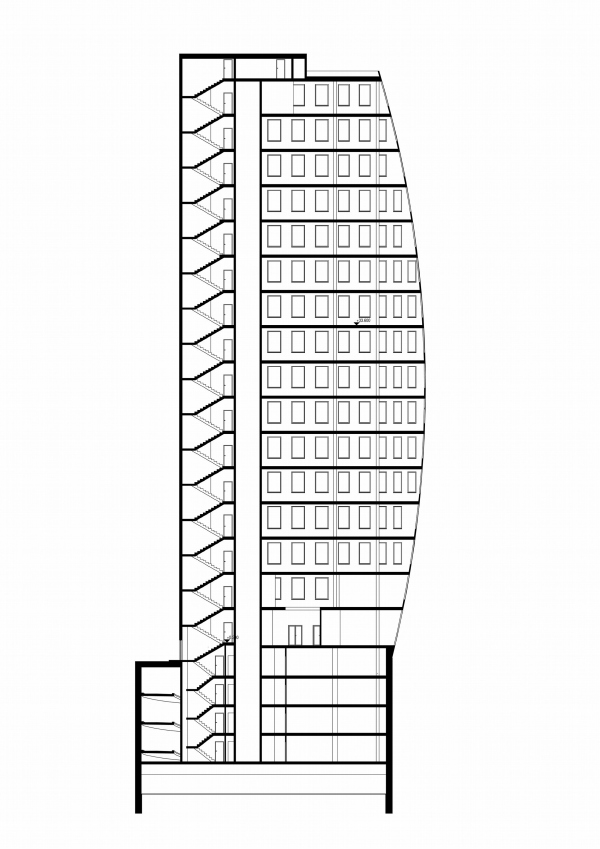 Office building, 1st Brestskaya StreetCopyright: © Ostozhenka Architects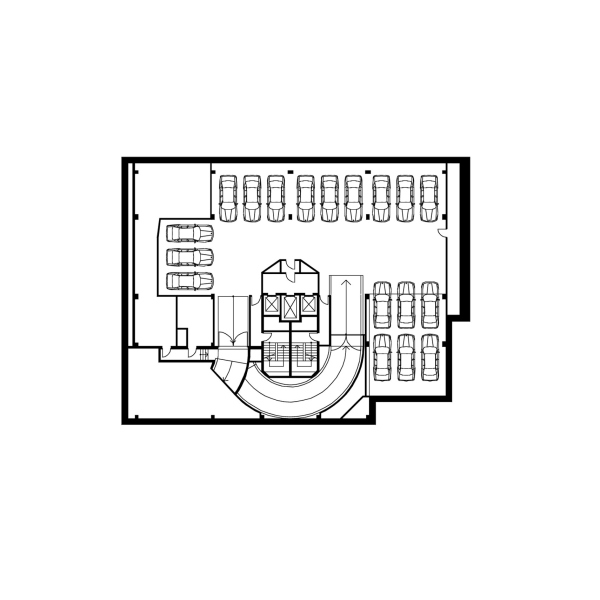 Plan of the -1 floor. Office building, 1st Brestskaya StreetCopyright: © Ostozhenka Architects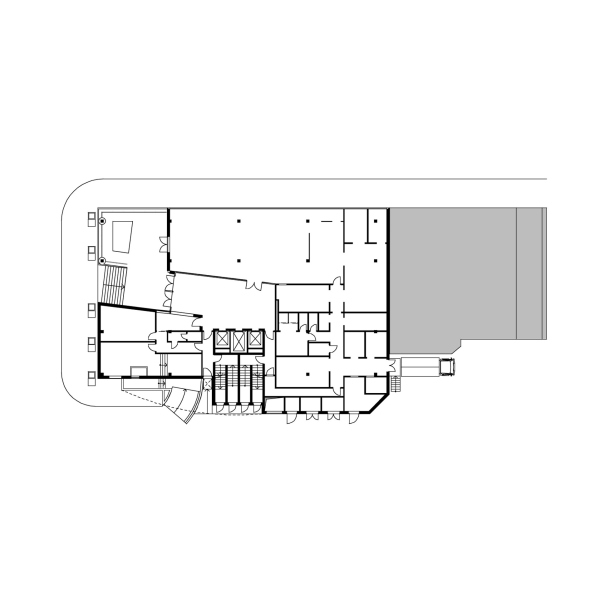 Plan of the 1 floor. Office building, 1st Brestskaya StreetCopyright: © Ostozhenka Architects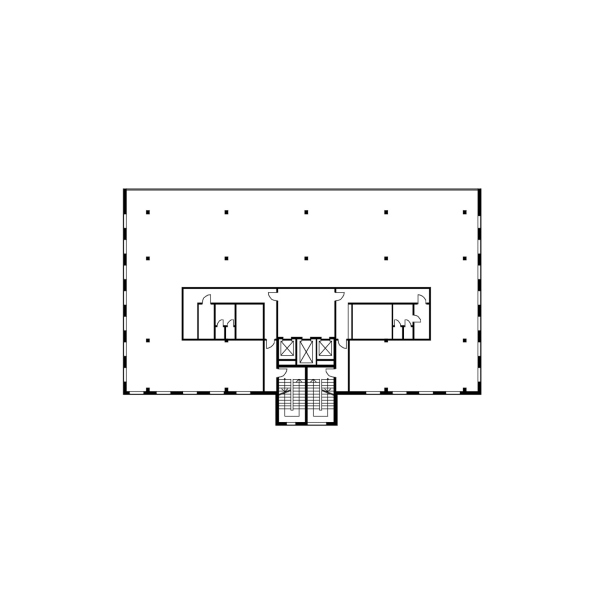 Plan of the 14 floor. Office building, 1st Brestskaya StreetCopyright: © Ostozhenka Architects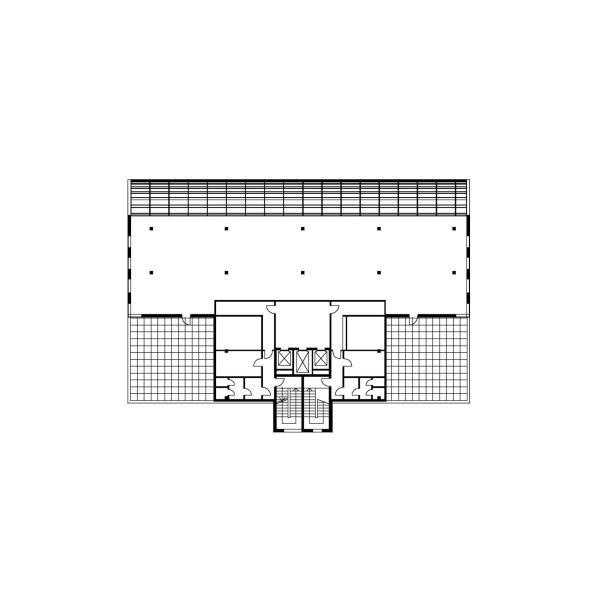 Plan of the 16 floor. Office building, 1st Brestskaya StreetCopyright: © Ostozhenka Architects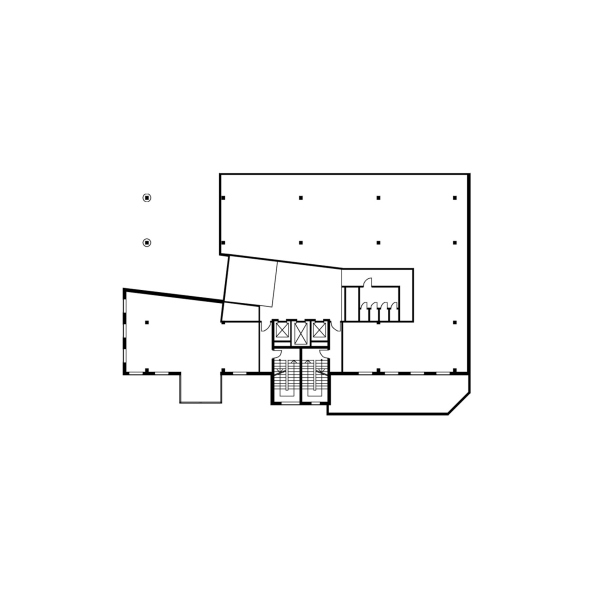 Plan of the 2 floor. Office building, 1st Brestskaya StreetCopyright: © Ostozhenka Architects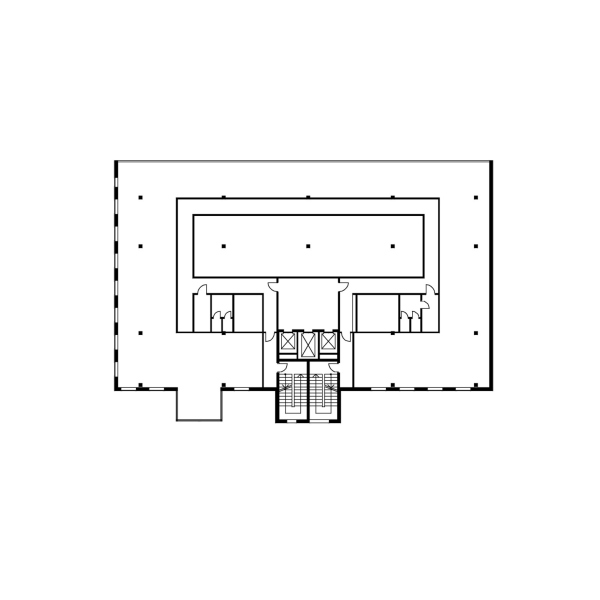 Plan of the 3 floor. Office building, 1st Brestskaya StreetCopyright: © Ostozhenka Architects |
|
