|
Published on Archi.ru (https://archi.ru) |
|
| 03.04.2026 | |
|
Coming From the Cold |
|
|
Alyona Kuznetsova |
|
| Studio: | |
| GAFA Architects | |
|
The ArchBukhta Festival remains one of the few events in Russia where participants go through the entire process of creating an architectural object – from concept to construction. And they do so on the shores of Lake Baikal, in dedication to it. This year, GAFA took part and shared its experience: a local legend, a team-specific design code, friendship, as well as ice skating and endurance in freezing temperatures all contributed to gaining something more than just an award. The festival has been held on the shores of Lake Baikal since 2007, yet it remains little known among architects from the “European” part of Russia. This year’s participants included teams from Irkutsk, Novosibirsk, Tomsk, Ufa, and Samara – a real treasure trove of new names for something like NEXT! Reading through the list, one cannot help but think: despite the many projects that pass through our editorial office, a vast layer still remains uncovered. It is as if letters from beyond the Ural Mountains never quite reach Moscow and St. Petersburg, leaving the architectural landscape of Russia’s “Asian” cities largely uncharted.
 The theme of this year was “Recursion” – a term implying repetition, retrospection, and self-similarity. We have already covered the prize winners; in this article, we would like to take a closer look at the experience of a particular firm, offering insight into the festival as a whole and how it operates. GAFA’s installation, titled “Self-Generation of Baikal”, brings together three layers: the history of the place, the geometry of natural forces, and the inner life of the lake. Seven vertical columns refer to the legend of the Island of Seven Poplars, which the team discovered while researching the village of Bolshoye Goloustnoye, where the festival took place this year. According to the story, the Buryat clan Ulaasa once lived here, and for each elder who reached the age of a hundred years old, a poplar tree was planted on a nearby island. The form is subdivided according to the principles of recursion into large and smaller triangles, creating a crystalline grid and alluding to the way that the wind, water, and ice shape space. Suspended from the beams are chains of mirrored “bubbles” of varying diameters – a visualization of the lake’s “breathing”. You have likely seen photographs of this natural phenomenon: gas rises from the bottom of Lake Baikal and freezes, recursively generating itself. The reflective surfaces turn a person passing through the structure from a mere observer into a co-author of this cycle. Preparation for construction on site began back in Moscow. The structure was engineered with sub-zero temperatures and strong winds in mind. Circular elements were fabricated in advance – made of mirrored acrylic with a layer of foamed PVC – and then shipped to Irkutsk. On site, the team worked in full construction mode for four days: recalculating on the go to adapt to changing conditions, assembling the frame in strong winds and temperatures of -20 degrees centigrade, and, when working outdoors became impossible, preparing connections indoors. Crucial support came from the team’s friends in Irkutsk, who actively participated in the construction, shared their knowledge of the place, and effectively became part of the team. Their involvement further rooted the object in its context. During the day, the structure responded to sunlight: mirrored discs refracted the light, scattering reflections across the ice. In the evening, the lighting – also installed by the authors themselves – came on. The mirrored surfaces began to shimmer, and the object transformed into a giant disco ball. On the morning of the final day, the installation was covered with a delicate pattern of frost – a dialogue with nature that turned out to be both unexpected and striking.  Natalia Eliseeva, GAFA Every day we found time to go out onto the ice – without tools, without tasks, simply to be alone with Lake Baikal. We went skating – the feeling is impossible to forget: the transparent mass beneath your feet, bubbles sinking into the depth, and the wind that either knocks you off balance or suddenly dies down, leaving you in complete silence. We watched the sunrises and saw off the sunsets. At night, we went out to look at the stars reflected in the ice. The expedition turned into an opportunity to be with nature on the level of a dialogue – not through concepts, but through physical presence. Participants return here year after year, some for decades. Immersion in this environment, so far removed from the habitual office practice, proved to be a valuable experience in itself, regardless of the outcome. A dialogue with the place took place. The object happened. It should also be noted that building a conceived object is not the only distinctive feature of the festival. It has three additional traditions that help crystallize the design idea. First, teams prepare a video introduction: in the process of creating it, they come to understand something about themselves, and at the festival it serves as a way to introduce and remember one another. The second tradition is to develop a team identity. This partly creates a sense of carnival and celebration, but it also serves a practical purpose: across open landscapes, crowds, or construction sites, it makes it easier to find one another. GAFA created comfortable cloaks that could be worn over any clothing, decorated with a print echoing the graphic language of mirrored facets and bubbles. Finally, the third tradition is the presentation of the built object. Each team is given five minutes to stage a performance, a theatrical act, or simply present a straightforward explanation. GAFA spoke about their design approach and their work with landscape: a dialogue with nature, treating it as the main co-author, with a respectful and attentive attitude toward place and its traditions. The guiding principle was to listen to what is already there – wind, light, topography, history, and local myths all became part of the architectural statement. GAFA also produced a kind of post-production – a short film documenting those days on Lake Baikal. It captures what cannot be conveyed through photographs: the sense of endless ice, silence, light, moments of exhaustion and joy. The GAFA installation was awarded second place by the jury. The project was implemented with the support of the company “ARCHITILE”. The installation remains on the site of the festival and now serves as an ornament of the territory of the “Azatay” park hotel. 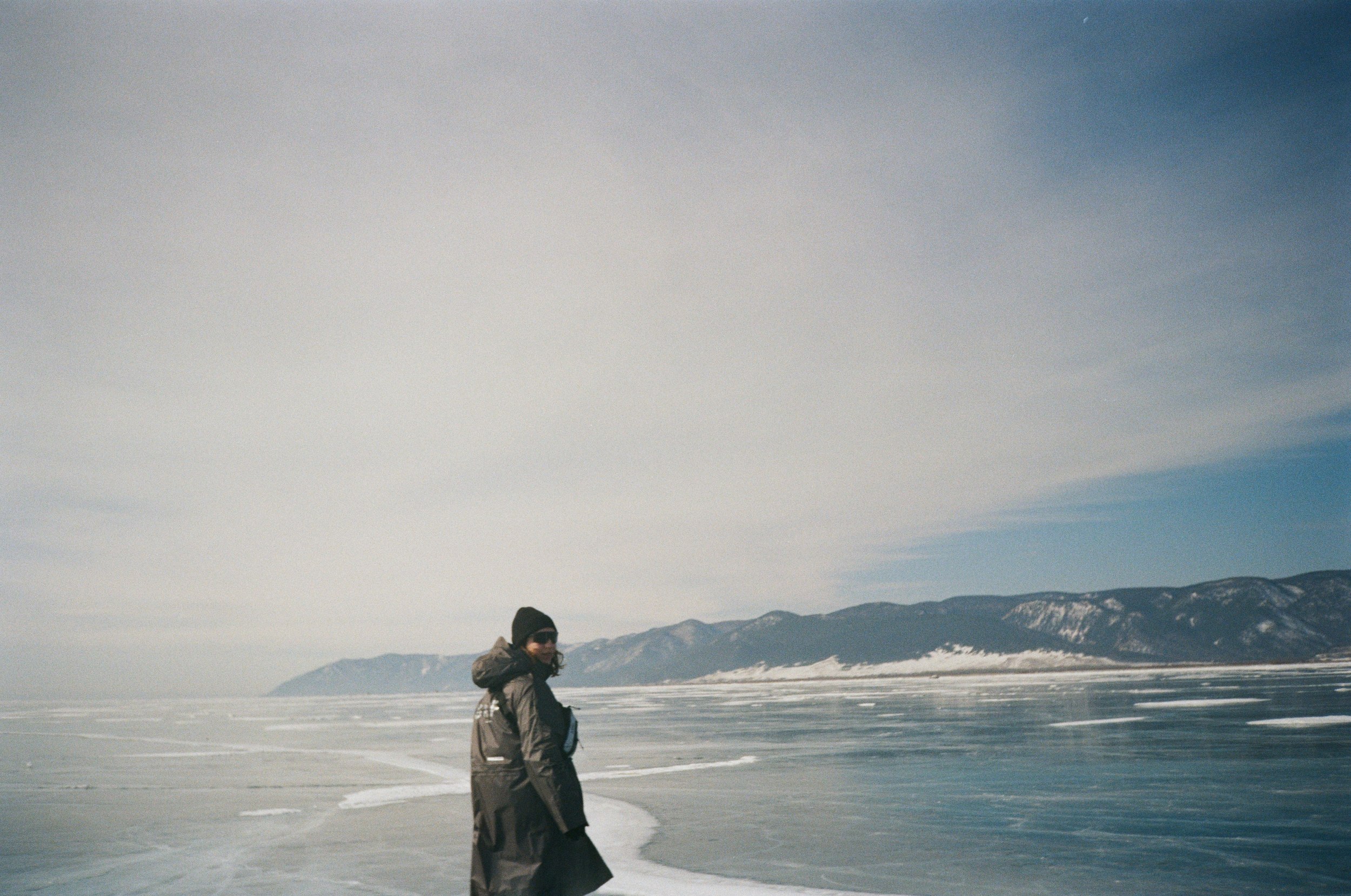 ArchBukhta 2026. RecursionCopyright: Photograph © Natalia Eliseeva, Nikita Manyaev / courtesy of GAFA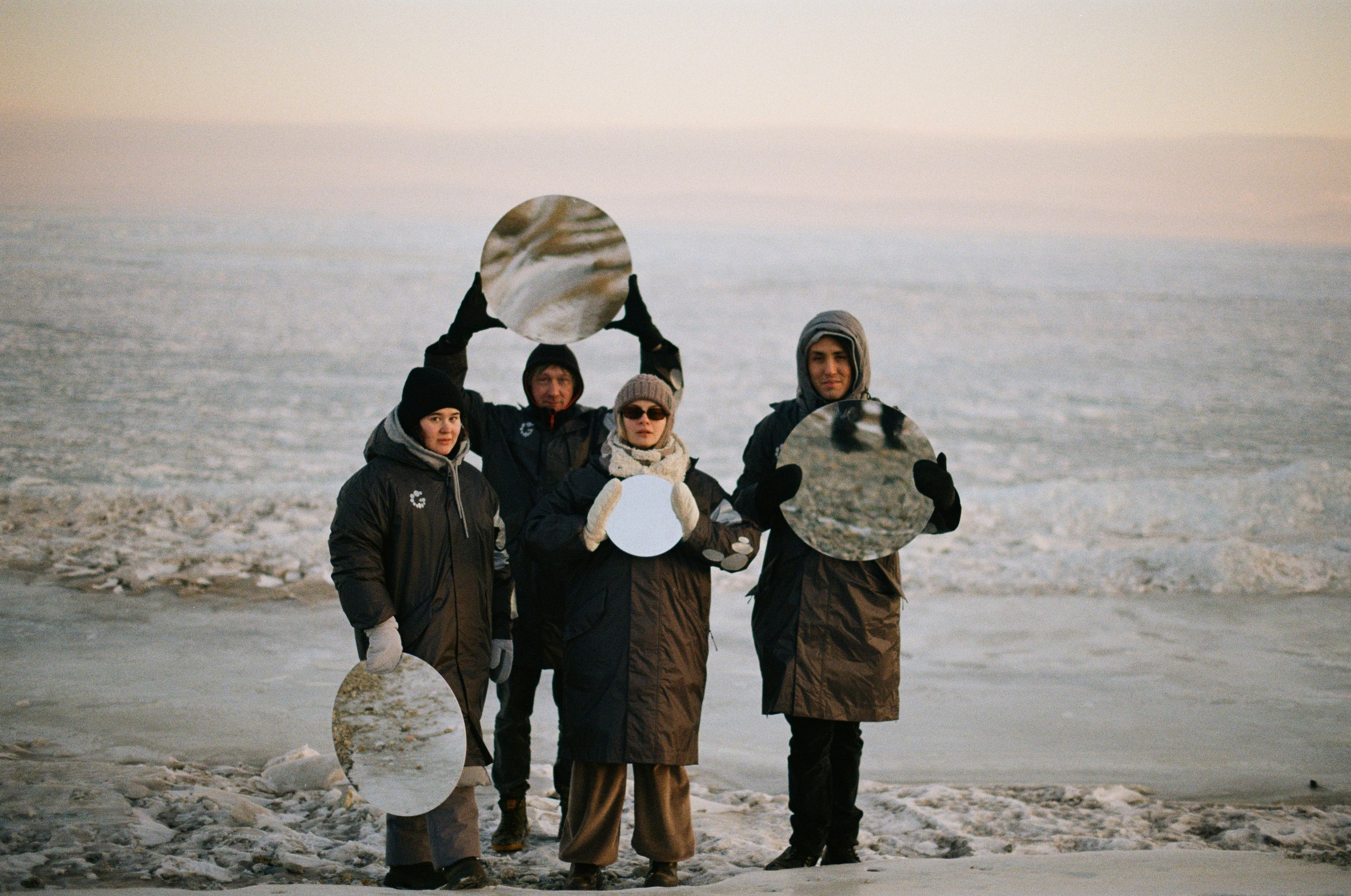 ArchBukhta 2026. RecursionCopyright: Photograph © Natalia Eliseeva, Nikita Manyaev / courtesy of GAFA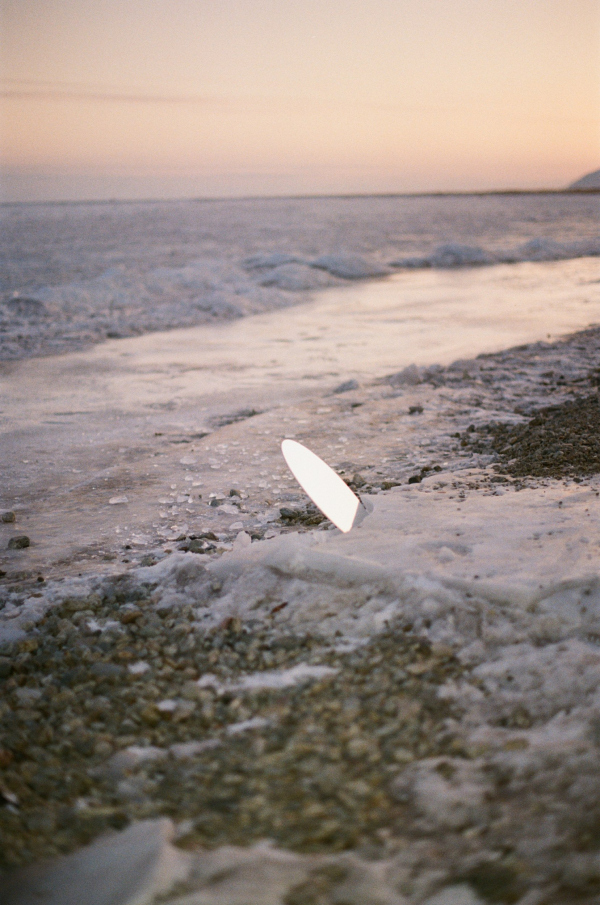 ArchBukhta 2026. RecursionCopyright: Photograph © Natalia Eliseeva, Nikita Manyaev / courtesy of GAFA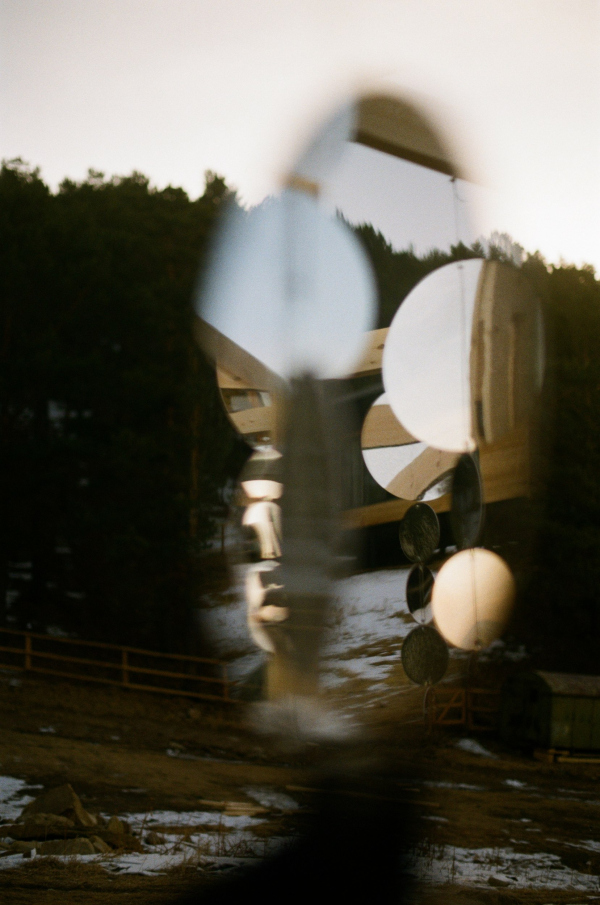 ArchBukhta 2026. RecursionCopyright: Photograph © Natalia Eliseeva, Nikita Manyaev / courtesy of GAFA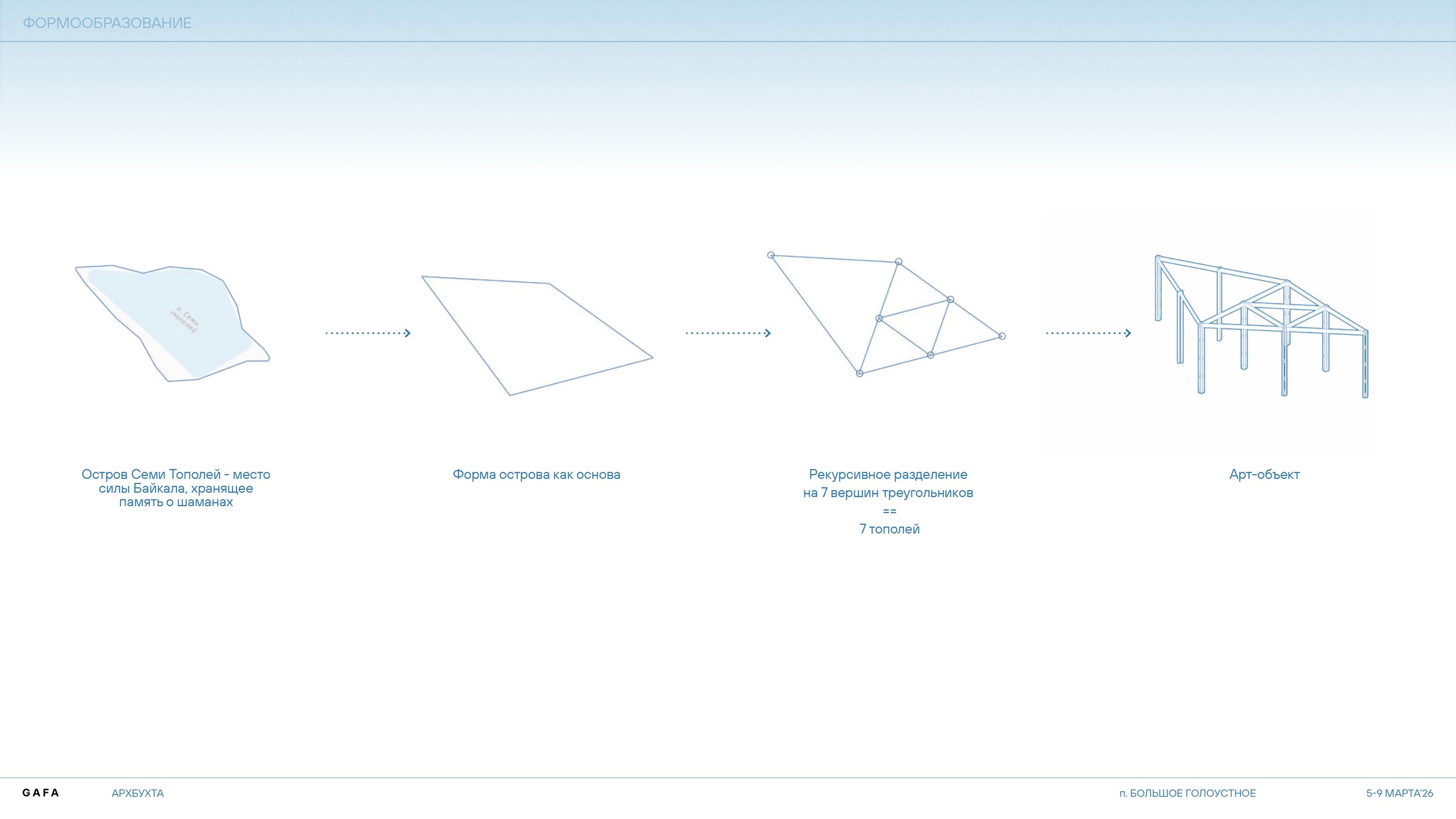 ArchBukhta 2026. RecursionCopyright: Photograph © Natalia Eliseeva, Nikita Manyaev / courtesy of GAFA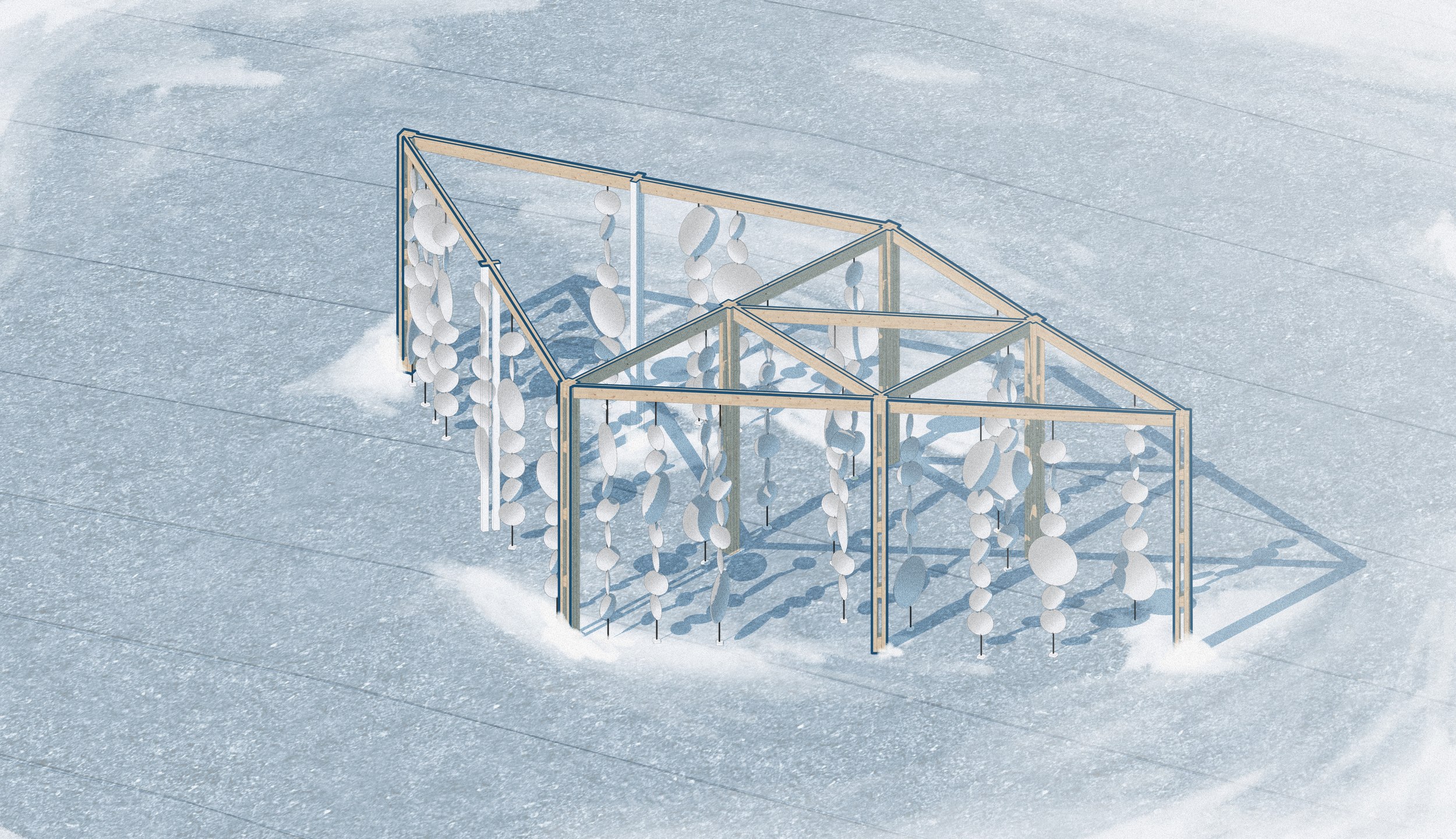 ArchBukhta 2026. RecursionCopyright: Photograph © Natalia Eliseeva, Nikita Manyaev / courtesy of GAFA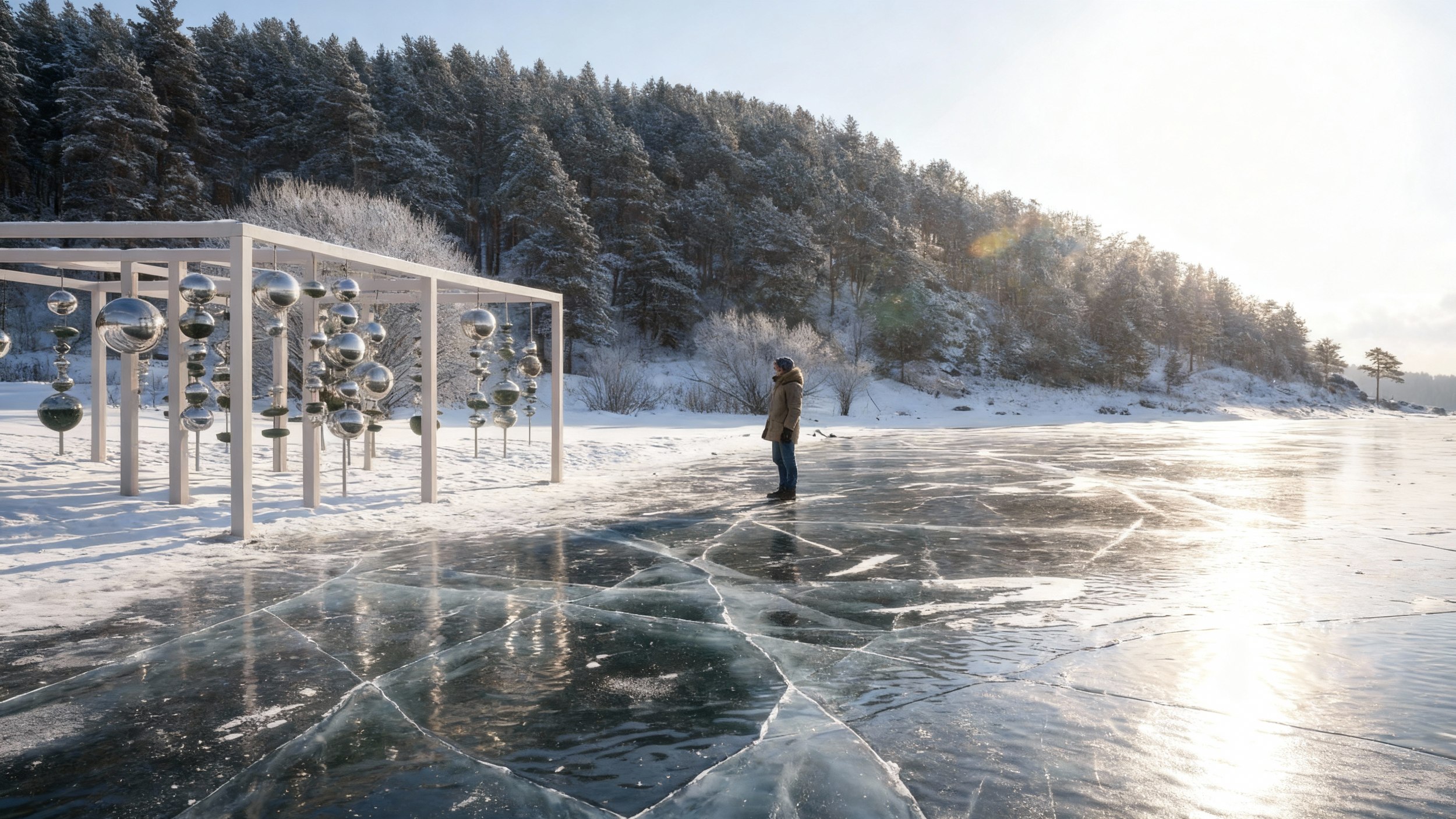 ArchBukhta 2026. RecursionCopyright: Photograph © Natalia Eliseeva, Nikita Manyaev / courtesy of GAFA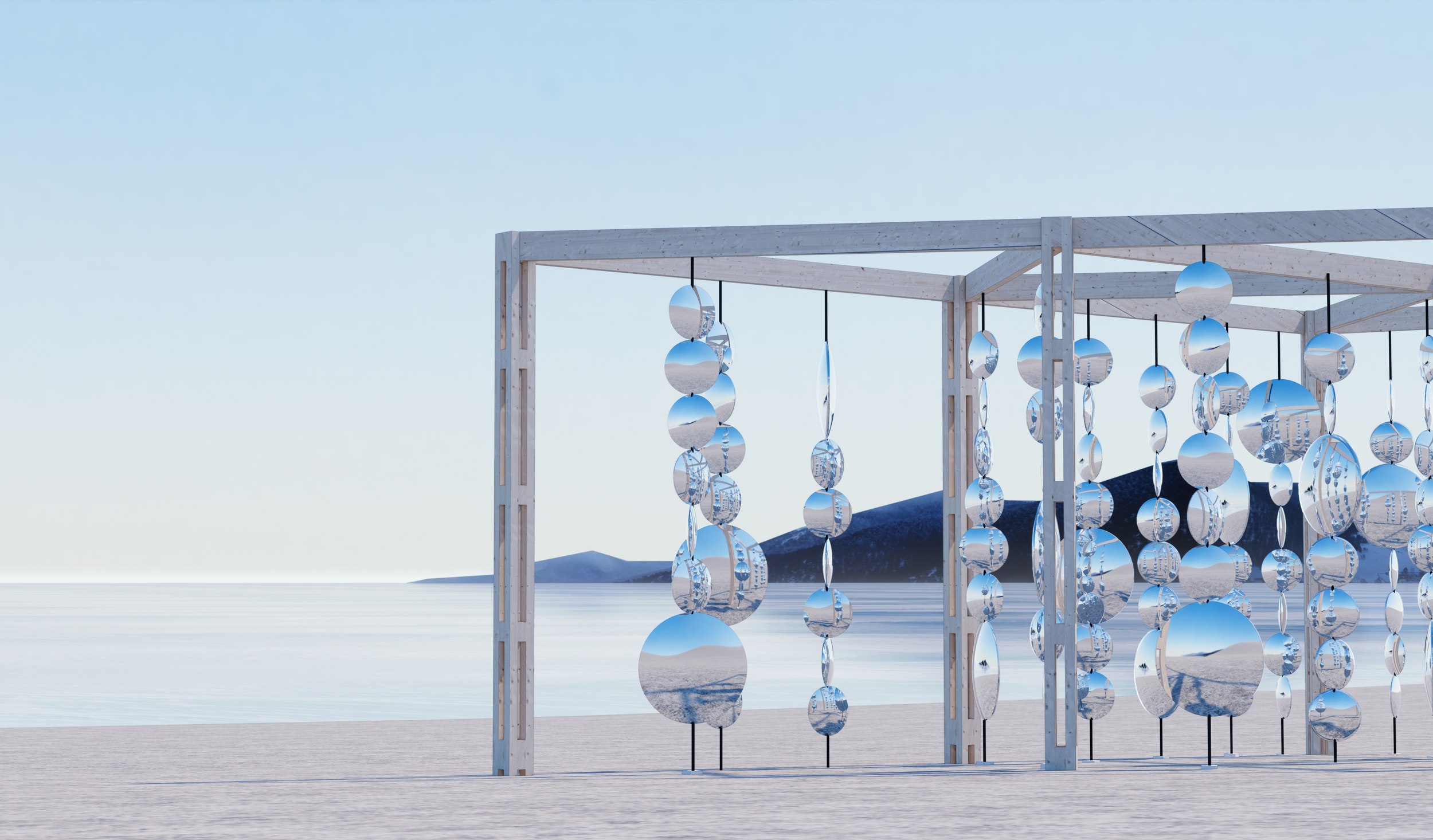 ArchBukhta 2026. RecursionCopyright: Photograph © Natalia Eliseeva, Nikita Manyaev / courtesy of GAFA ArchBukhta 2026. RecursionCopyright: Photograph © Natalia Eliseeva, Nikita Manyaev / courtesy of GAFA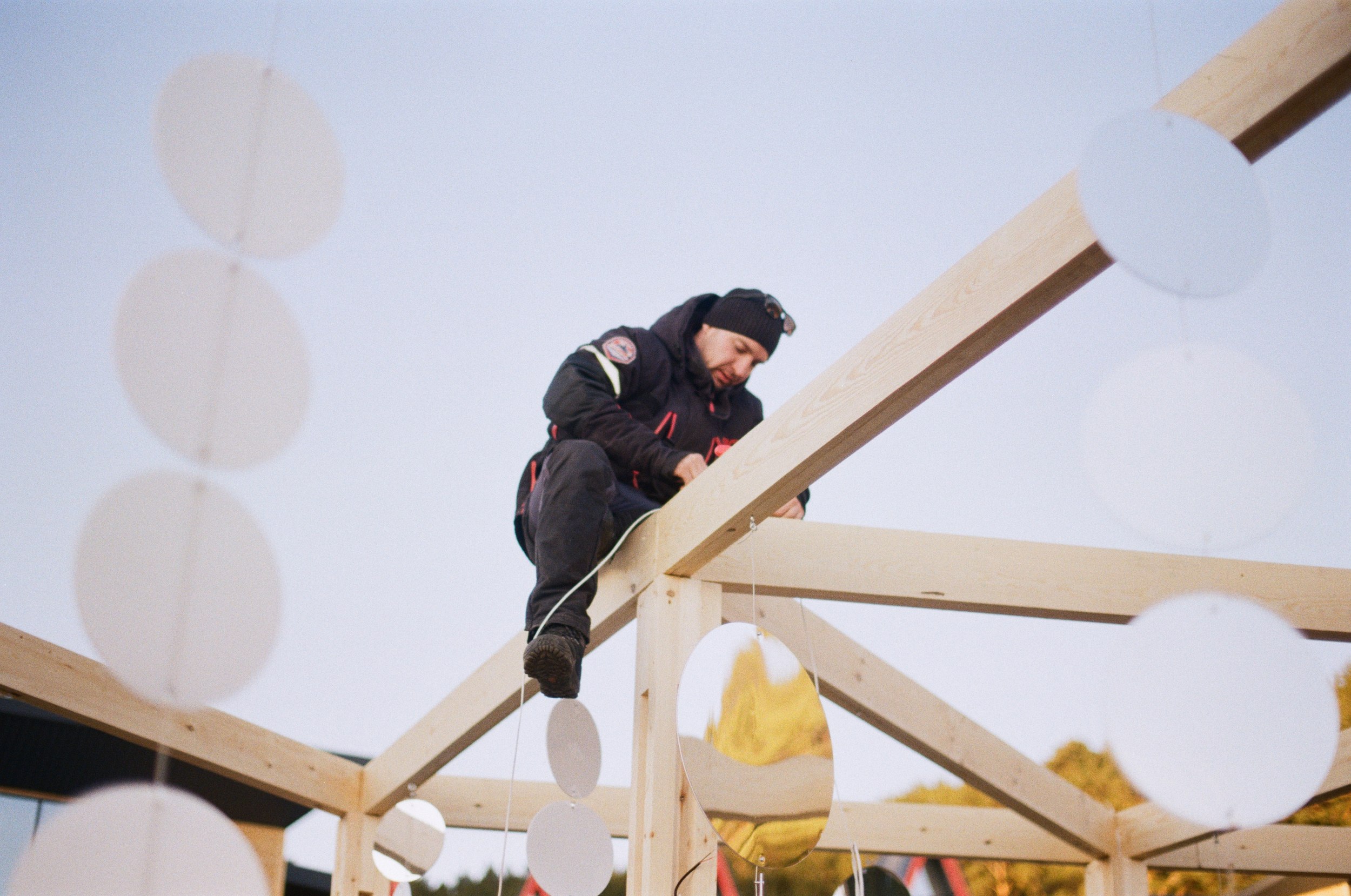 ArchBukhta 2026. RecursionCopyright: Photograph © Natalia Eliseeva, Nikita Manyaev / courtesy of GAFA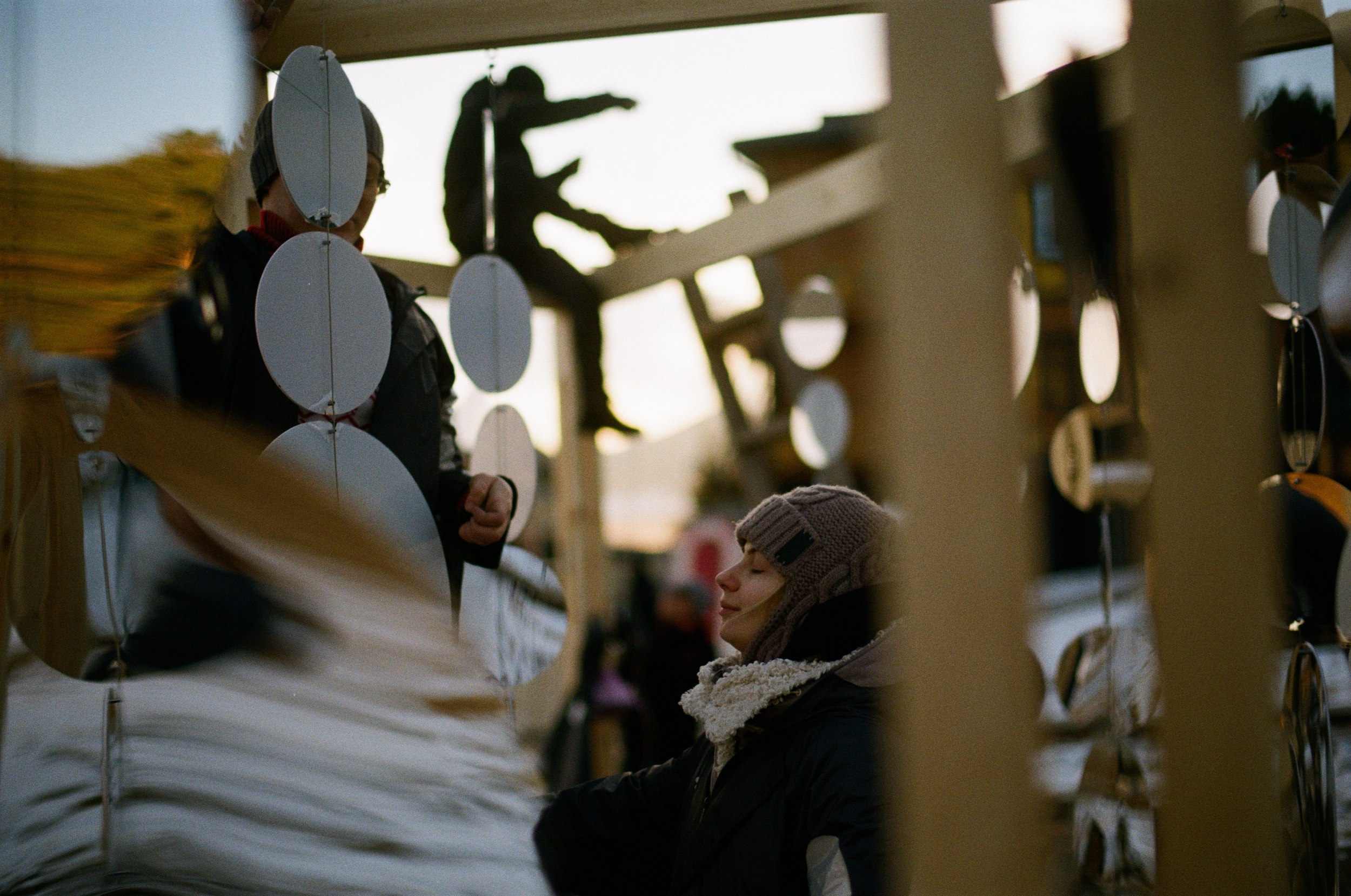 ArchBukhta 2026. RecursionCopyright: Photograph © Natalia Eliseeva, Nikita Manyaev / courtesy of GAFA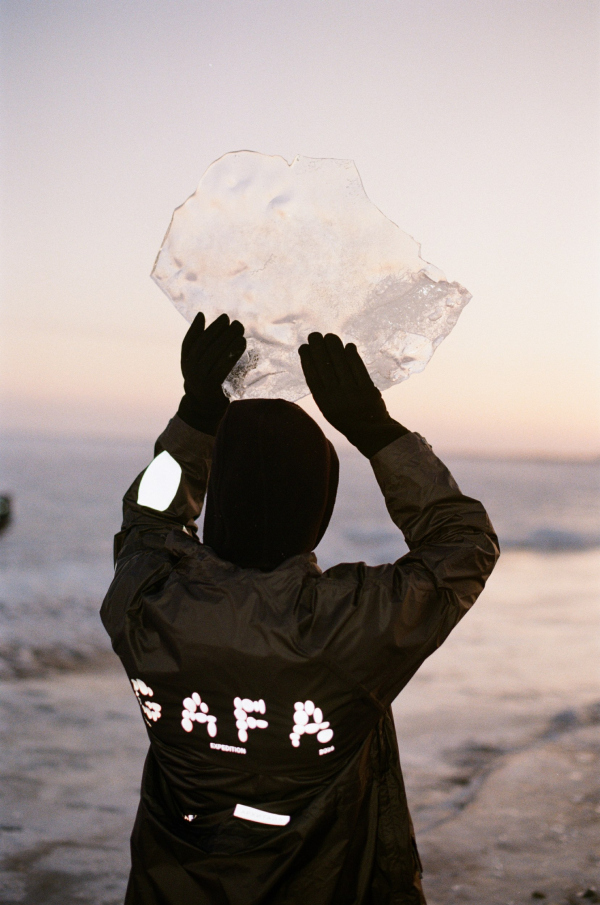 ArchBukhta 2026. RecursionCopyright: Photograph © Natalia Eliseeva, Nikita Manyaev / courtesy of GAFA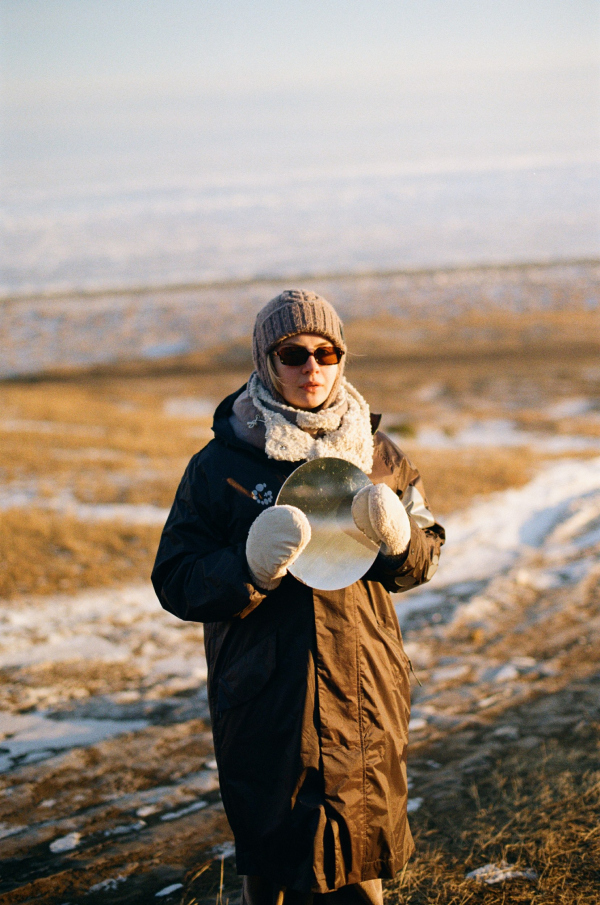 ArchBukhta 2026. RecursionCopyright: Photograph © Natalia Eliseeva, Nikita Manyaev / courtesy of GAFA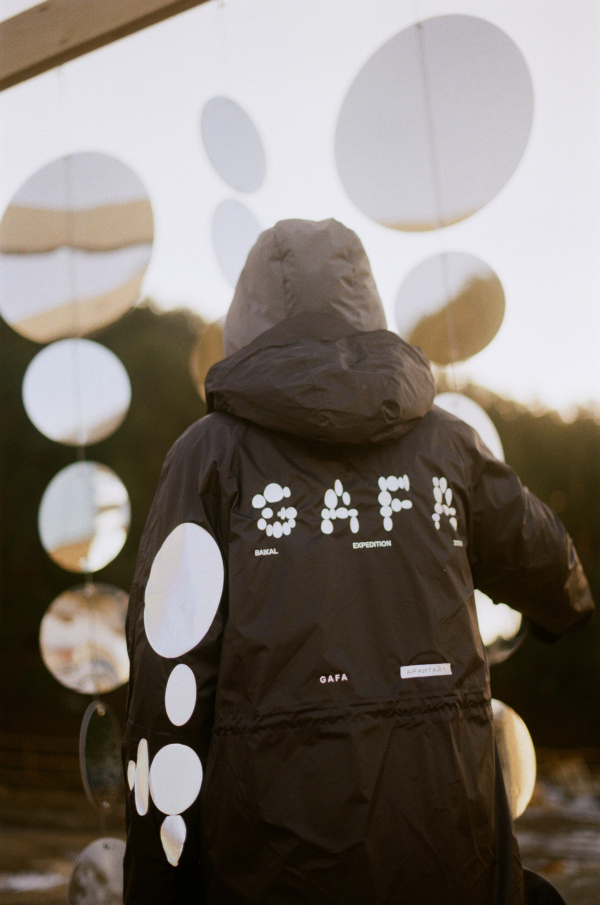 ArchBukhta 2026. RecursionCopyright: Photograph © Natalia Eliseeva, Nikita Manyaev / courtesy of GAFA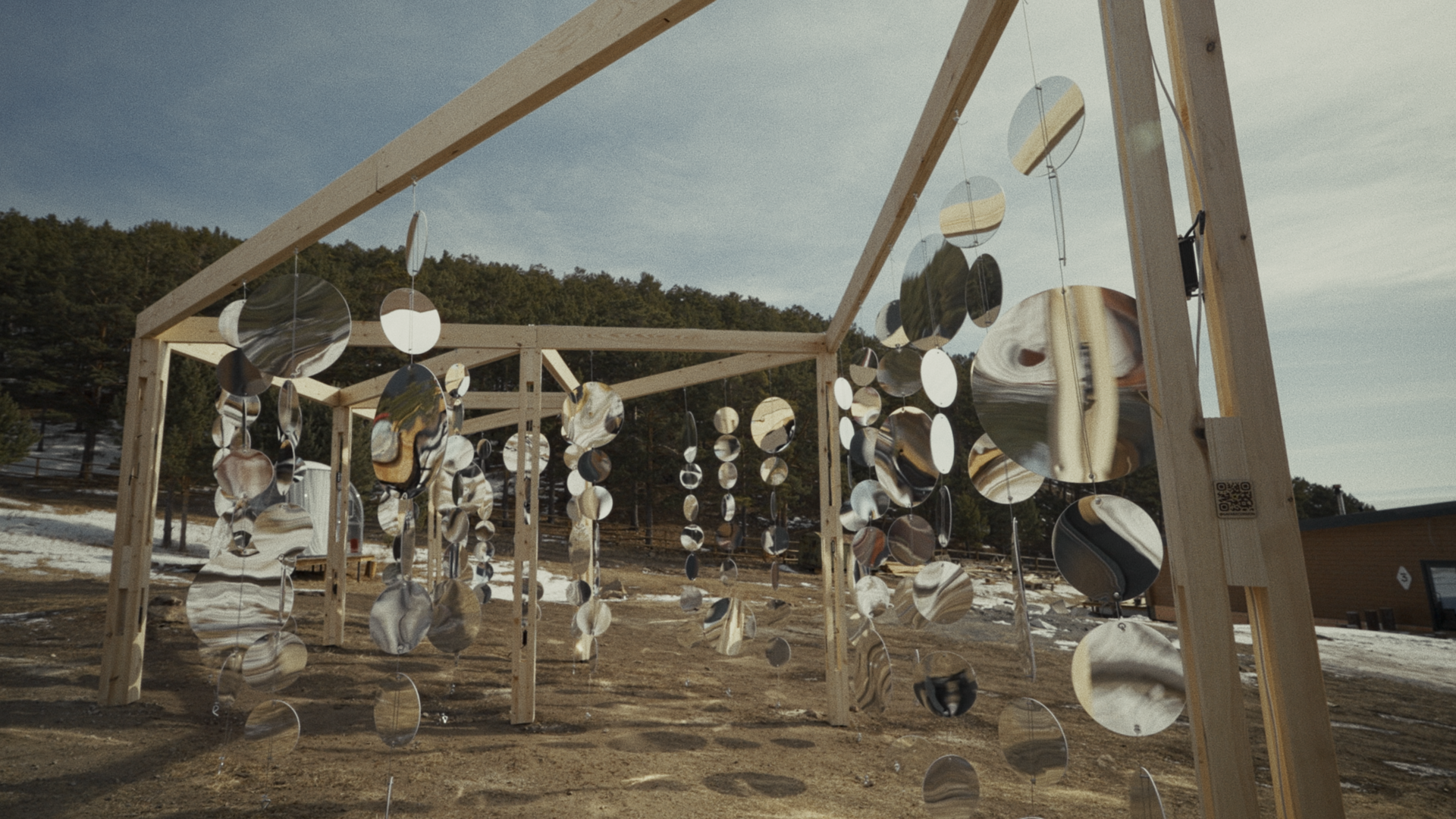 ArchBukhta 2026. RecursionCopyright: Photograph © Natalia Eliseeva, Nikita Manyaev / courtesy of GAFA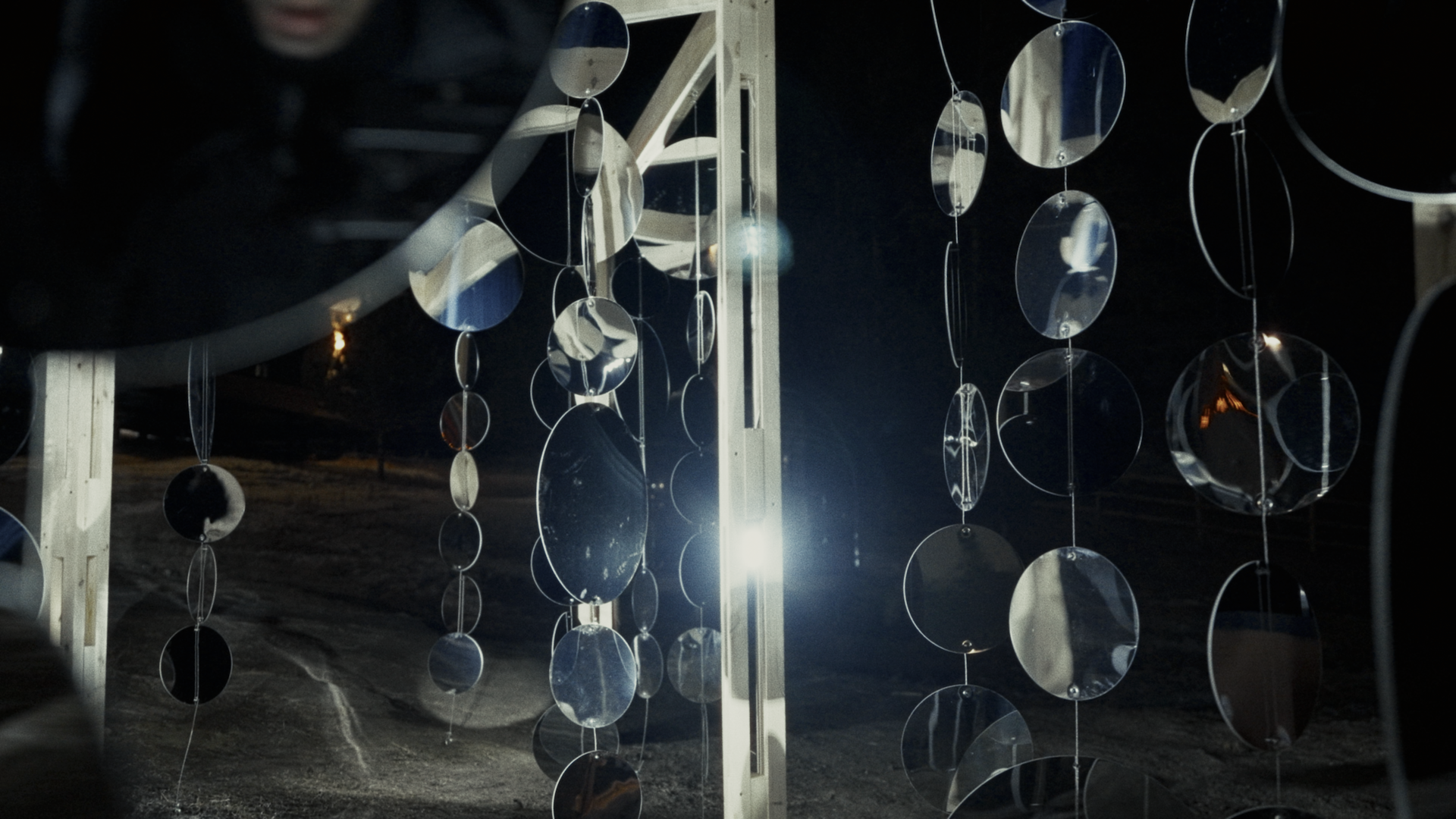 ArchBukhta 2026. RecursionCopyright: Photograph © Natalia Eliseeva, Nikita Manyaev / courtesy of GAFA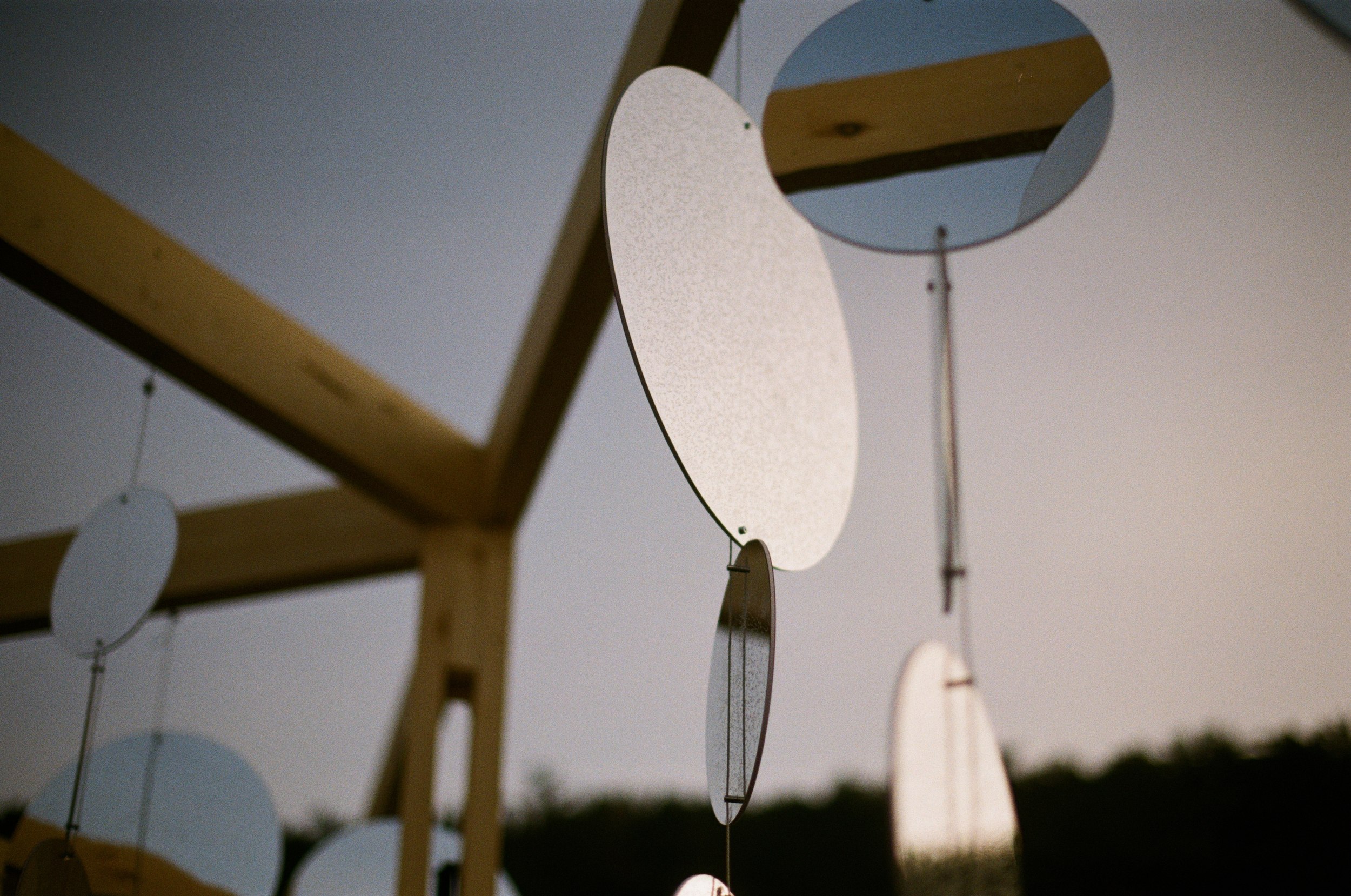 ArchBukhta 2026. RecursionCopyright: Photograph © Natalia Eliseeva, Nikita Manyaev / courtesy of GAFA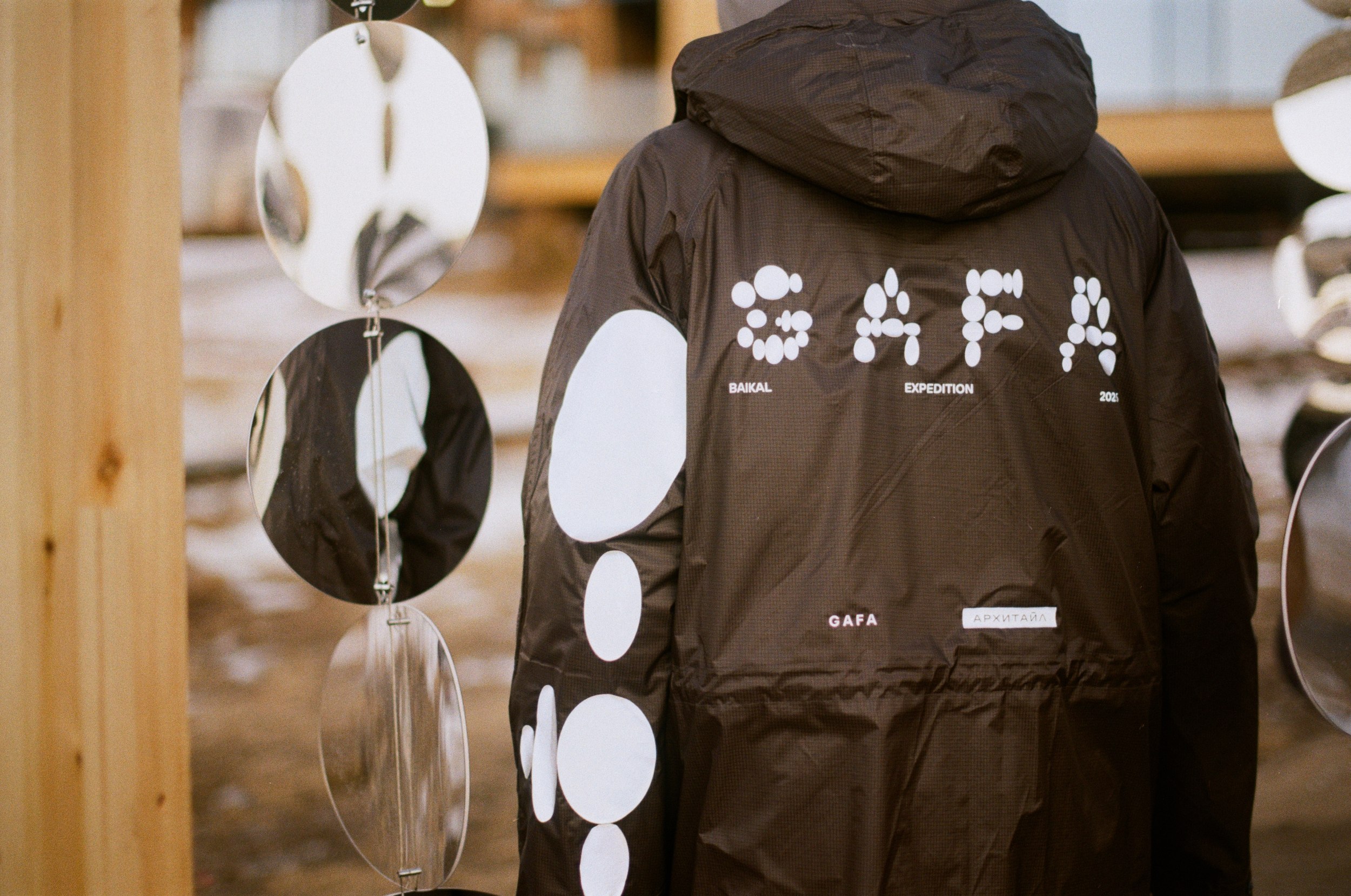 ArchBukhta 2026. RecursionCopyright: Photograph © Natalia Eliseeva, Nikita Manyaev / courtesy of GAFA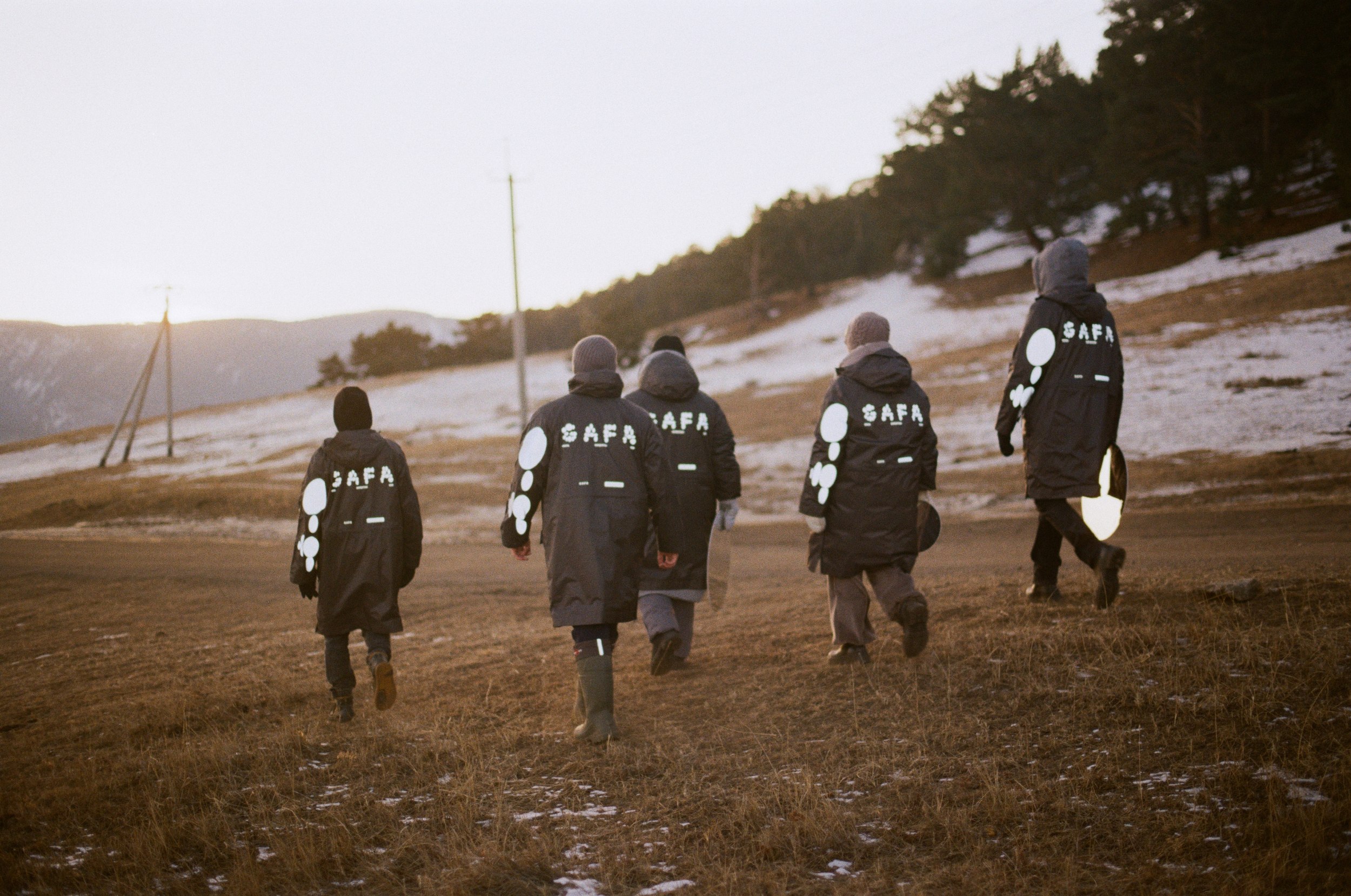 ArchBukhta 2026. RecursionCopyright: Photograph © Natalia Eliseeva, Nikita Manyaev / courtesy of GAFA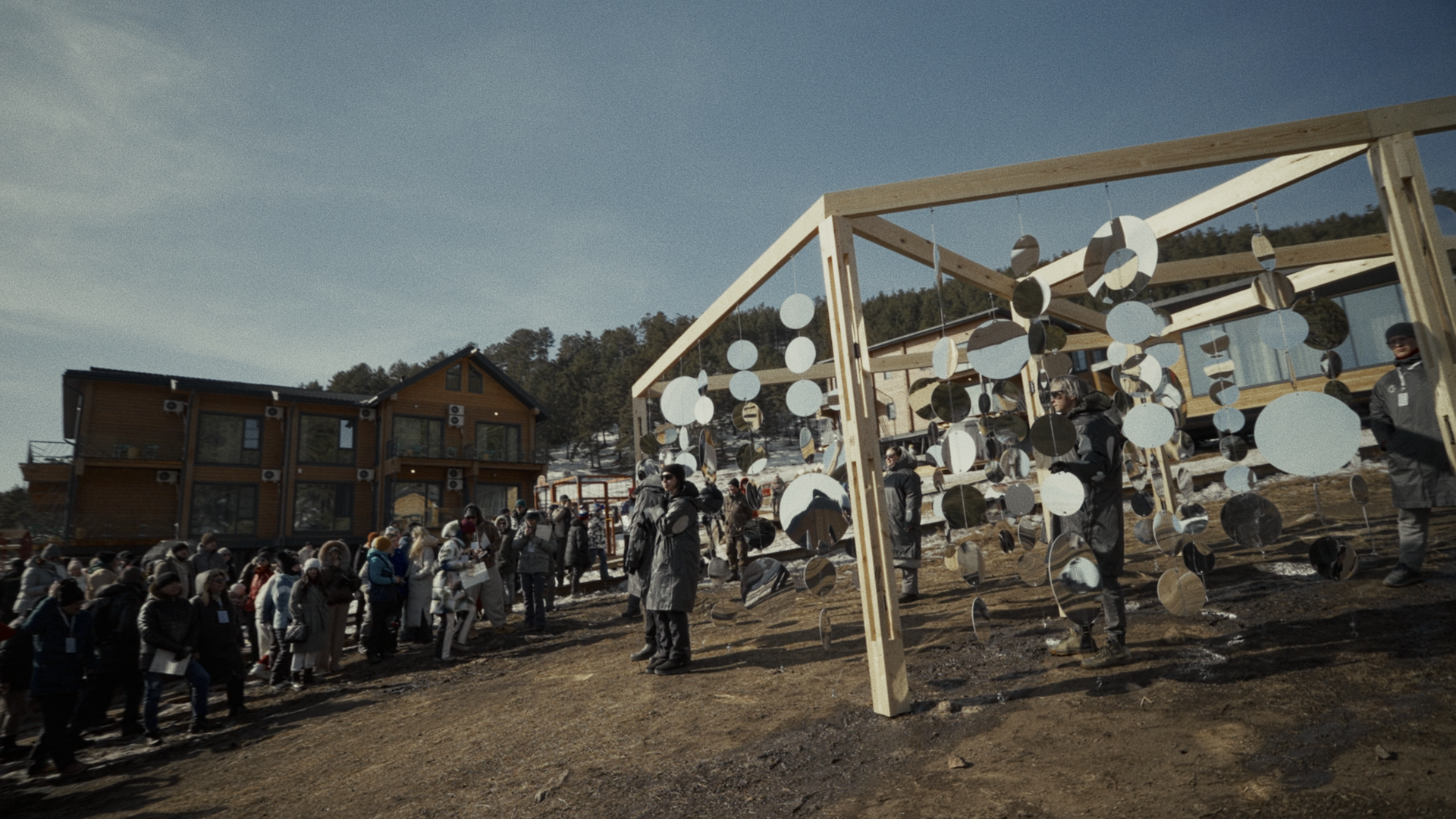 ArchBukhta 2026. RecursionCopyright: Photograph © Natalia Eliseeva, Nikita Manyaev / courtesy of GAFA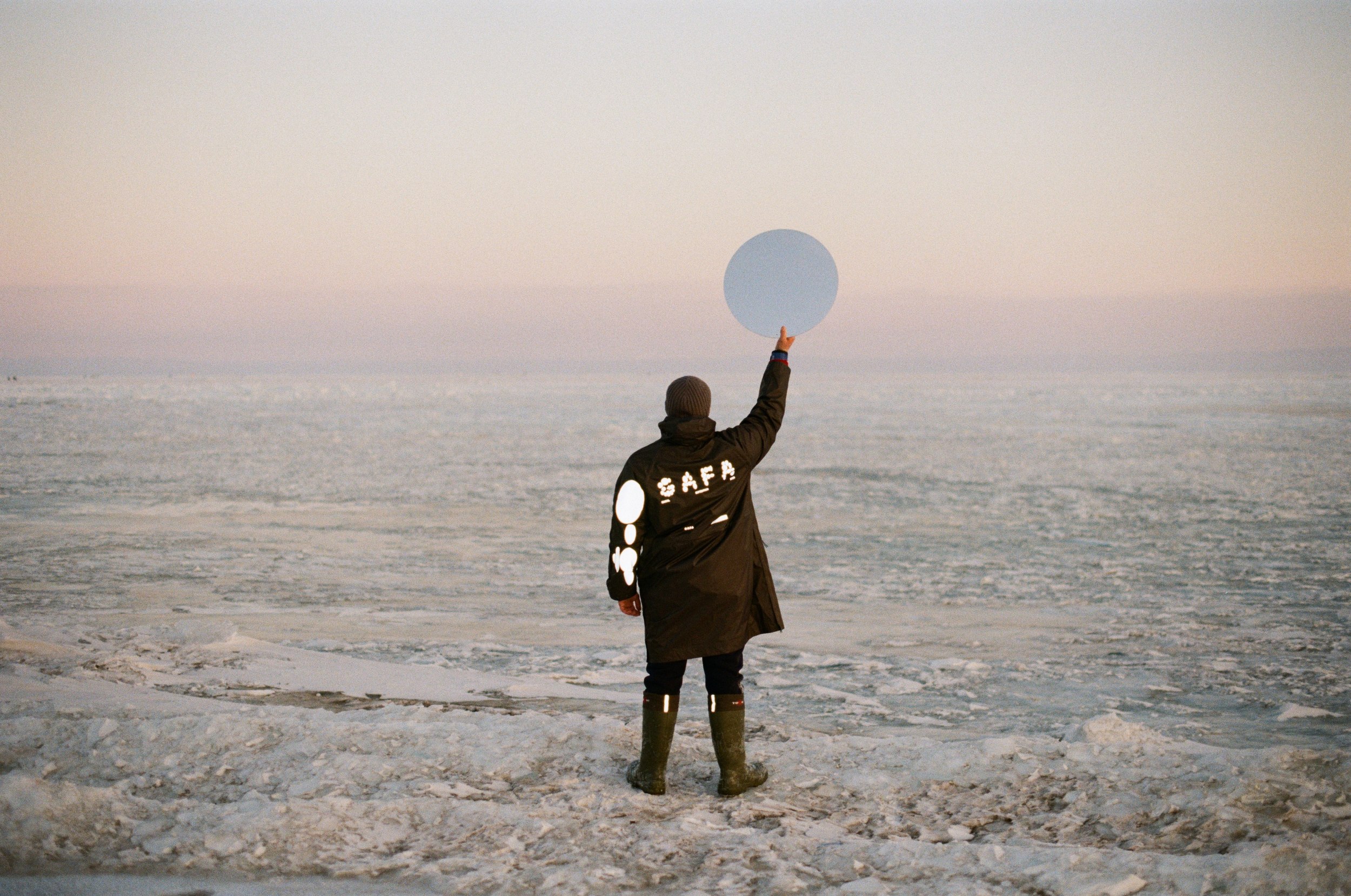 ArchBukhta 2026. RecursionCopyright: Photograph © Natalia Eliseeva, Nikita Manyaev / courtesy of GAFA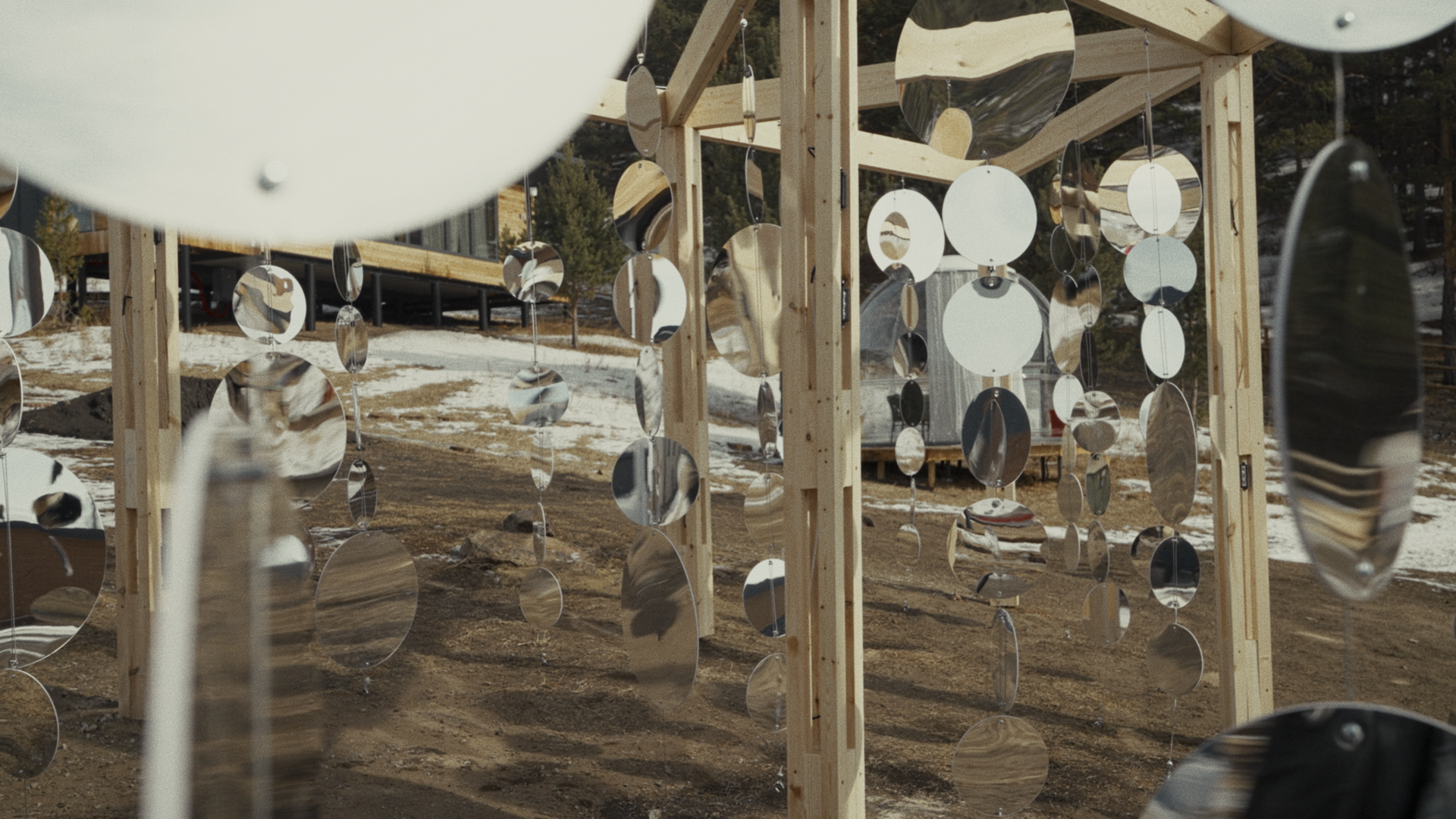 ArchBukhta 2026. RecursionCopyright: Photograph © Natalia Eliseeva, Nikita Manyaev / courtesy of GAFA |
|