|
Published on Archi.ru (https://archi.ru) |
|
| 30.01.2026 | |
|
From Ski Resorts to Year-Round Recreation Clusters |
|
| Studio: | |
| Kleinewelt Architekten | |
| Genplan Institute of Moscow | |
|
In mid-December, several architectural firms gathered to discuss a “seasonal” topic: the prospects for the development of domestic ski tourism. Where is modern infrastructure already in place, where do only remnants of the Soviet legacy remain, and where is there still nothing – but projects are underway and soon to be completed? This article explores these questions.
Material provided by the “Pravila Obshcheniya” (“Rules of Communication”) agency
Sheregesh in Kuzbass, Manzherok in the Altai Republic, Arkhyz, Cheget, and Veduchi in Chechnya, the new Mamison resort in the Caucasus, and Bolshoy Vudyavr near Kirovsk in the Khibiny Mountains – the geography of the discussion was extensive. Architects and co-founders of the firm M.A.M, Irina Kotova and Tatyana Borisova, have quite a lot of expertise in designing ski resorts. Tatyana served as chief project architect for the Veduchi resort, whose architectural image references local watchtower forms, while Irina took part in the design of a resort in Esto-Sadok in the Adler district of Sochi ahead of the Olympics. Both architects are passionate snowboarders; they described the current offerings of the Russian mountain resort market.  Previously, the question “where to go skiing” was hardly debated – when Europe was accessible, people simply flew to the Alps. The model there was clear: ski-in/ski-out, rentals, restaurants, service. Today, the focus is shifting to Russian mountains: resorts are developing, offering different skiing scenarios and varying levels of infrastructure. Key destinations include Krasnaya Polyana, Dombay, Arkhyz, Sheregesh, and Kamchatka. Today, there are at least two steady demands. The mass-market format: skiing combined with spa, an active environment, a festive atmosphere, and a dense social life. In Russia, this is clearly exemplified by Krasnaya Polyana. The alternative is a cozier, “aesthetic” format: architecture, landscape, tranquility, and a carefully designed environment – similar to Austria and Switzerland. In Russia, Manzherok and certain point-based projects are closer to this second type, such as the Plateau restaurant in the Khibiny Mountains and the small resort centered around it. Among less obvious destinations, Kamchatka offers unique skiing conditions through April, though infrastructure remains limited. The Priiskovoe resort in Khakassia occupies the freeride niche – previously associated with trips to Austria. As for approaches to the architecture of ski tourism and the design of the hotel infrastructure that supports it, Irina and Tatyana identified two main directions. Traditionally, most tourists expect and choose the cozy “chalet” style, reminiscent of Alpine mountain resorts and ski slopes. In Switzerland and Germany, such resorts have developed over centuries, and new additions are organically integrated with 200-year-old buildings as well as with the existing infrastructure of Alpine settlements (a classic example being Schwarzwald). In recent years, contemporary resort infrastructure that blends seamlessly into its surroundings has also gained popularity. The spa complex in Vals, designed by Peter Zumthor and built over the only thermal springs in the canton of Graubünden in Switzerland, is an example of minimalist architecture and a careful approach to the landscape. Modernist buildings attract discerning visitors and help generate year-round tourist flow. At the same time, representatives of M.A.M emphasized that the intensive development of mountain resorts requires the creation of specialized infrastructure to ensure repeat visitation. This involves regularly increasing the length of existing slopes for snowboarders and skiers, as well as properly designing run-out zones and après-ski areas. In high-activity skiing zones, fast-service dining options are essential, while in leisure areas, venues designed for longer stays can be introduced. One of the key tasks for architects when developing a master plan for a modern mountain resort is to create an offer that encourages visitors to stay for at least two to three days. This requires not only high-quality slopes (that’s something that’s expected), but also new user experiences and a variety of leisure formats, as noted by Tatyana Borisova and Irina Kotova. Ksenia Shilkova, architect and head of the master planning department at the firm IND, explained why ski resort planning cannot be approached in the same way as conventional leisure destinations. A thorough audit and needs analysis is essential before any work begins. She demonstrated the process of creating a master plan capable of significantly increasing tourist flow using the example of the Novy Sheregesh tourist cluster. This large-scale project has become strategically important for unlocking the recreational potential of Siberia. The company’s team chose to draw on the experience of international resorts and the traditional “chalet atmosphere” format, which has proven successful in Russia (as evidenced by the popularity of Krasnaya Polyana in Sochi). Combining sports, wellness, and cultural activities within a single area is the most effective way to ensure year-round occupancy. During the design process, growth points were identified, and sites for MICE – business and event tourism – were incorporated. “For year-round resort activity, several factors are essential: accommodation options of different classes and lengths of stay, as well as a positive user experience. It is necessary to design walking routes, protected natural areas and eco-trails, viewing platforms, and to adapt the terrain for health walks and trekking”. The master plan for the 2000-hectare Novy Sheregesh territory included the construction of three- and four-star hotels with a total capacity of 454 rooms, as well as new slopes that will connect with existing ones to form a unified system exceeding 100 kilometers in total length. As part of the cluster project, the IND team proposed five types of themed public squares and three types of streets (varying in width) and boulevards. They also developed territorial maps based on the needs of different visitor groups (families with children, amateur athletes, and couples). The second case examined in detail was the Manzherok mountain resort, located some 30 kilometers away from Gorno-Altaysk Airport at the foot of Mount Malaya Sinyukha. This award-winning ski resort complex, developed by Sberbank, was presented by Alexey Sandu, architect and founder of the architectural company ARCHISTRA. In 2025, guests for the first time gained access to 25 kilometers of bike park trails and 15 kilometers of eco-trails of varying difficulty. An unconventional building form was used for the accommodation facilities: a “semi-ring” configuration ensured quality views for each unit. Due to the peculiarities of the landscape, significant attention was given to engineering protection systems, including retaining walls, drainage systems, and anchor fields to enable year-round operation of the slopes. One of the key drivers of the resort’s development was the construction of a high-speed road from Gorno-Altaysk Airport, which helped attract visitors from the Central Federal District of Russia. Anastasia Ilikyan, project lead at the Novaia Zemlya (“New Land”) design and research company, spoke about the development of ski clusters in the Caucasus. Together with colleagues from ProGorod LLC (part of the VEB Group), Novaia Zemlya developed tourism frameworks (master plans) for 4 macro-territories out of the country’s 12 key tourist locations: the Greater Caucasus, the Greater Volga, the Western South, and the Russian North and Arctic. The Caucasus resort cluster was presented as an imagined star map superimposed over existing points of attraction. The project was titled “Constellations of the Caucasus”. “We presented all tourist routes as constellations, where the large stars represent well-known attractions and accommodation facilities, and the smaller ones are places that deserve attention but remain underutilized due to a lack of infrastructure” – Anastasia Ilikyan explained. The ultimate goal is to establish steady connections between several major tourist clusters across the territory. By the completion of the project, all key attractions in the mountain regions from Arkhyz to Derbent will be connected by a single unified road route. According to the plan, it will be possible to travel from the Black Sea to the Caspian Sea both by car and even on foot via the carefully designed and prepared “Greater Caucasus Trail”. The development potential of the Greater Caucasus is concentrated within a 100-kilometer zone along the main Caucasus ridge. This area contains more than 3,000 tourist attractions, including 1,605 natural and ecological sites and 852 cultural destinations, as well as beach, wellness, and 13 ski-related locations. To activate the potential of these tourist concentration areas, Novaia Zemlya developed an integrated system of transport and pedestrian infrastructure, with the Greater Caucasus Road and the National Caucasus Trail playing central roles. Anastasia illustrated in detail the key stages and components of the project using the Arkhyz-Pkhia-Bolshaya Laba cluster as an example, where three prospective development zones have been identified for new facilities, with 1,150 accommodation units planned for tourists. Improved road connections will link the priority Arkhyz project with another popular destination among tourists and skiers – the Teberda-Dombay area, also part of the “Constellations” system. Is it possible to create an art resort in Russia, and can contemporary art and modes of self-expression influence people’s choice of recreation? These questions were answered affirmatively by Tatyana Baeva, Communications Director at Kavkaz.RF. Her presentation, dedicated to the young ski resort Mamison, highlighted modern methods of increasing tourist flow through the creation of a resort identity, the involvement of contemporary artists, and the organization of festivals and activities. The development of Mamison is being carried out with the direct participation of young architects and creatives: art objects and small architectural forms are being installed along high-mountain trails, and viewing platforms are being designed. The resort is expected to continue developing, including through land art. Currently, the Mamison Gorge has two cable cars in operation, 19 kilometers of slopes available, and only 100 accommodation units. According to the plans outlined by Tatyana, by 2030 Mamison will be able to receive 345,000 visitors annually, with 5 lifts in operation and a total slope length of 43 kilometers. Guests will have access to 3,700 accommodation units. Throughout the discussion, the speakers repeatedly emphasized that the construction of new cable cars and chairlifts should be funded by the federal budget. Kavkaz.RF undertakes this complex technological task, after which private investors follow, ready to invest in new accommodation facilities or, as an option, renovate existing ones. The concluding example focused on the creation of an active point of attraction through the introduction of a HoReCa venue at a ski resort. Georgy Trofimov, architect and co-founder of Kleinewelt Architekten, spoke about the design and construction of the Plateau restaurant at an elevation of about 820 meters. The restaurant is located between the northern and southern slopes at the Bolshoy Vudyavr resort (Kirovsk, Murmansk Region) on Mount Aikuaivenchorr. Guests can reach it by cable car, snowcat, or chairlift. Georgy and his colleagues demonstrated their passion for mountain sports in the design of a circular building made of glass and concrete, which has become an architectural landmark attracting visitors from across the region. Its realization required the invention of a special funnel-shaped structure, the installation of all engineering systems at the concrete pouring stage, and the resolution of water supply and drainage challenges. “Infrastructure is important, but when planning ski runs, the first thing I look at is the actual length of the slopes” – emphasized Georgy. At the conclusion of the discussion, M.A.M partners Irina Kotova and Tatyana Borisova summarized that Russian ski resorts have real potential. Demand is growing, with both the state and private investors becoming involved. Each year, the development of this segment of tourism becomes more intensive. However, there are still few architecturally coherent, truly well-thought-out resorts. This is exactly the area where contemporary architecture can shape the quality of the environment, not just serve skiing. The discussion “Local Ski Resorts: Development Trends” was organized by M.A.M and the agency Pravila Obshcheniya, with support from the educational platform A-HOUSE. 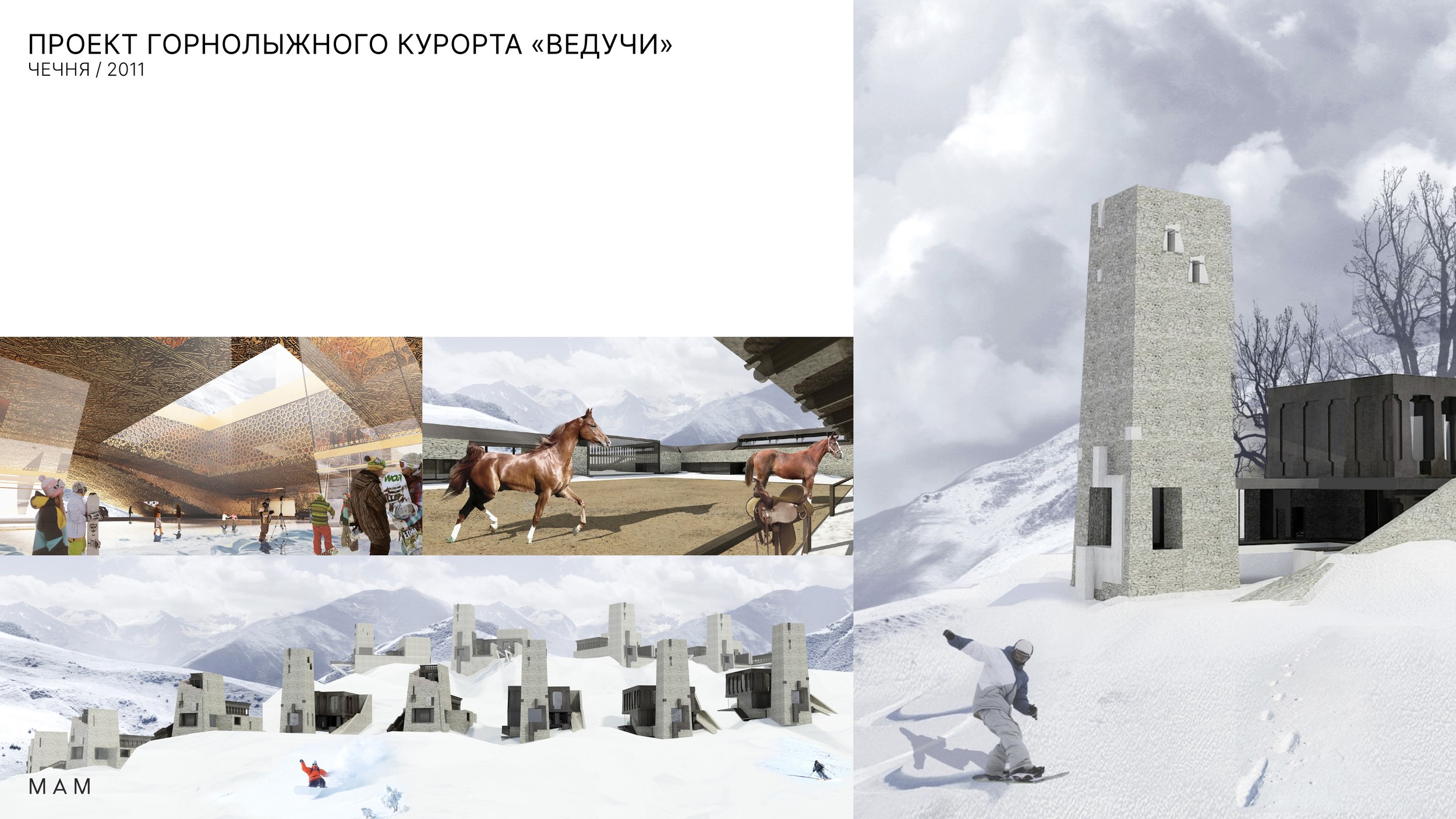 Design of the Veduchi ski resort in the Chechen RepublicCopyright: © M.A.M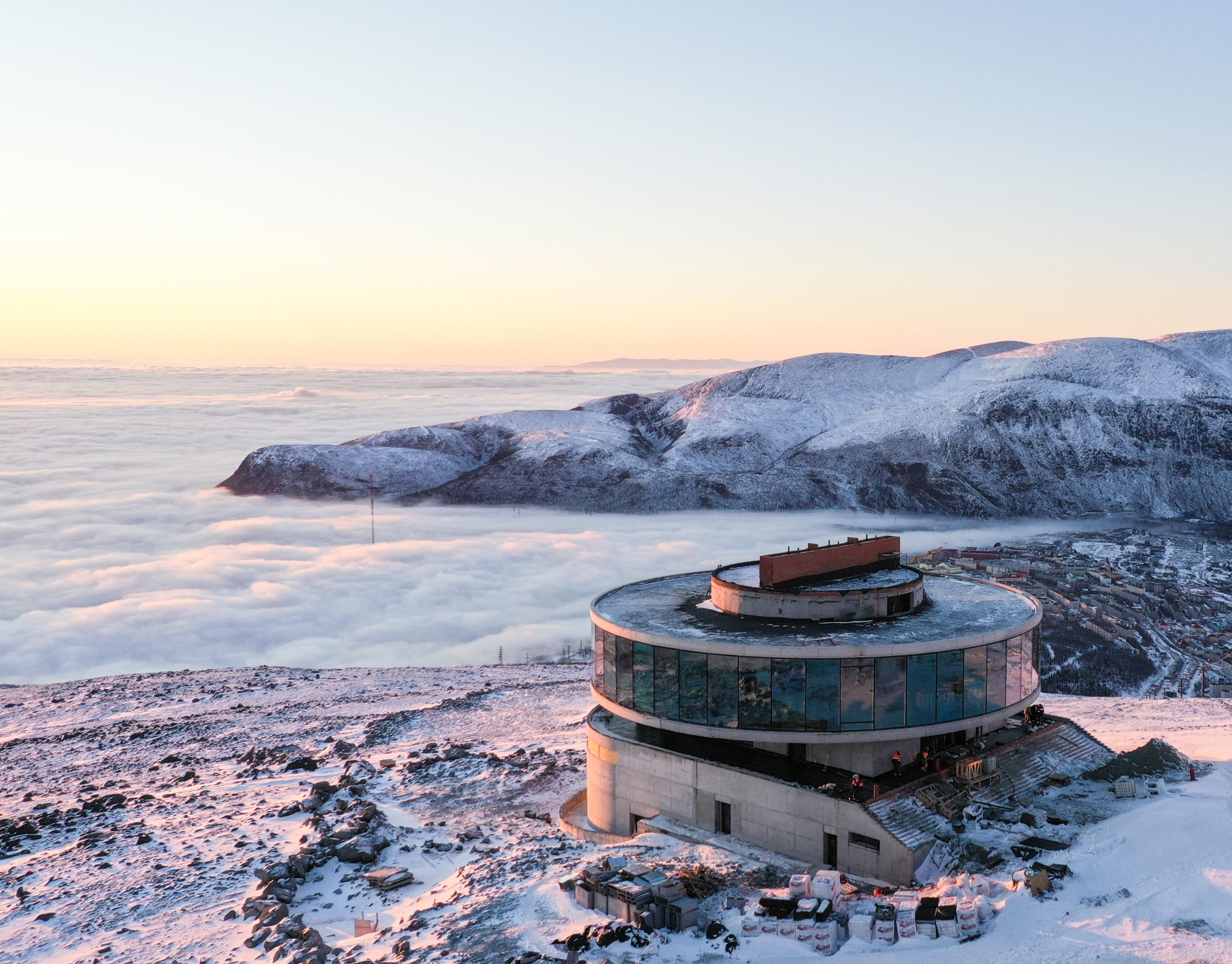 The restaurant in the mountainsCopyright: © Kleinewelt Architekten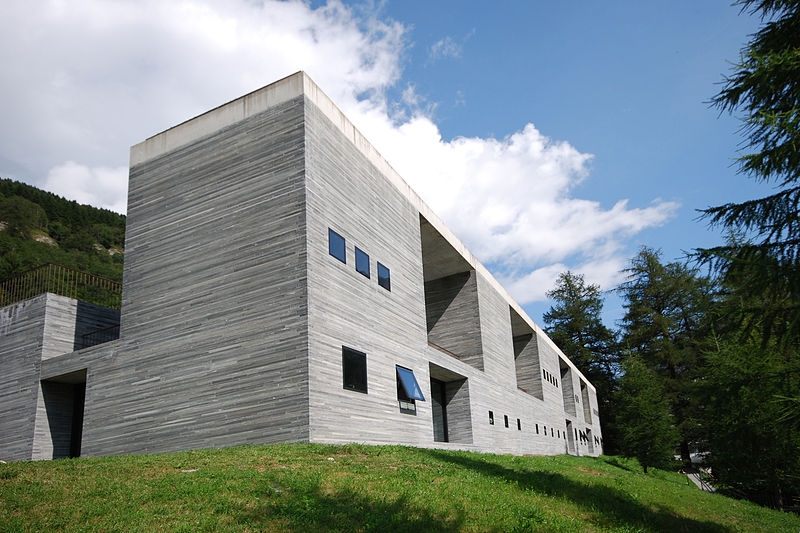 Thermal baths in ValsCopyright: photograph © Micha L. Rieser. Licensed under Creative Commons Attribution-ShareAlike 3.0 Unported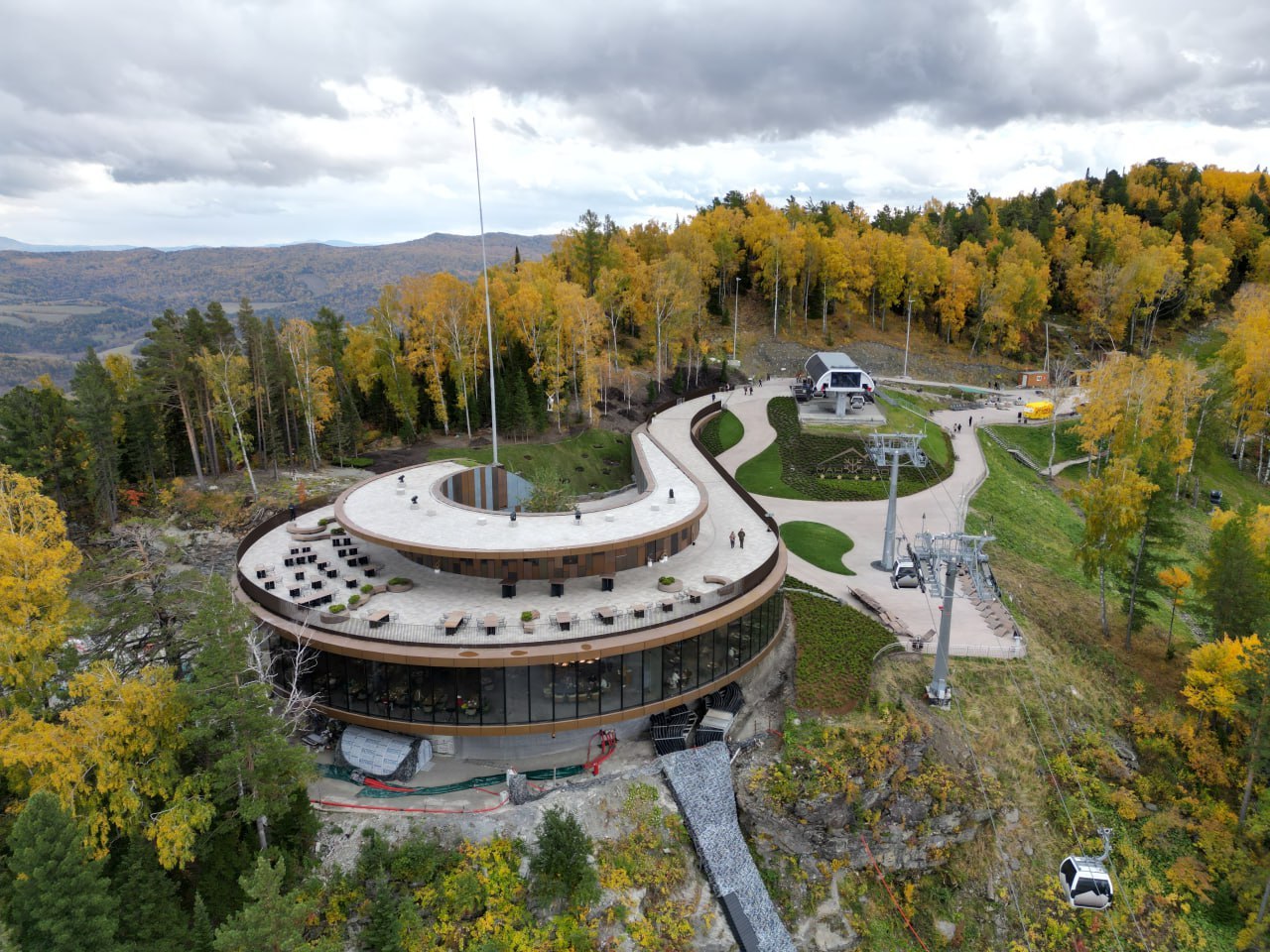 Panoramic restaurant “Manzherok”Copyright: photograph provided by Modern Glass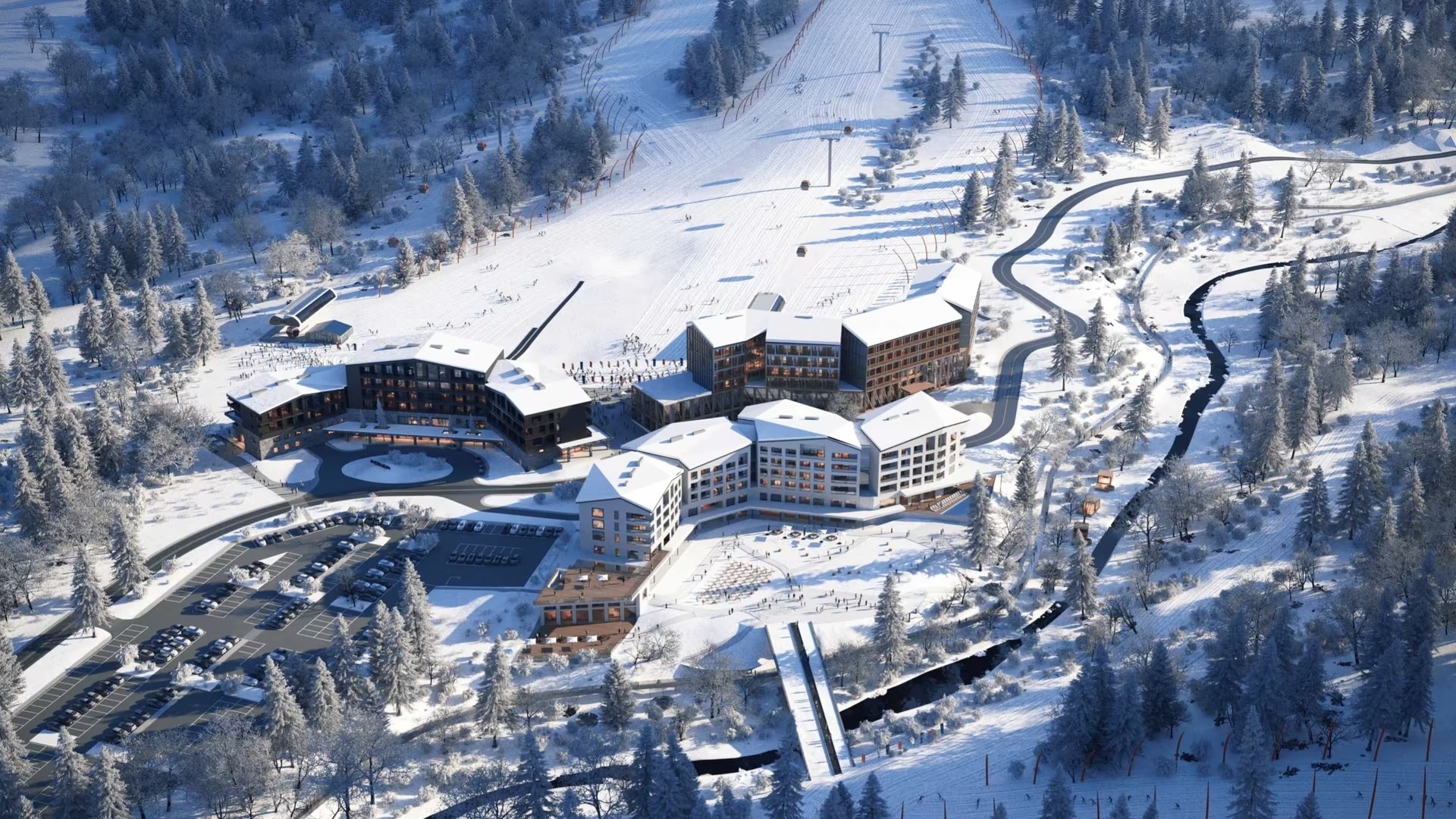 Novy Sheregesh tourist clusterCopyright: © IND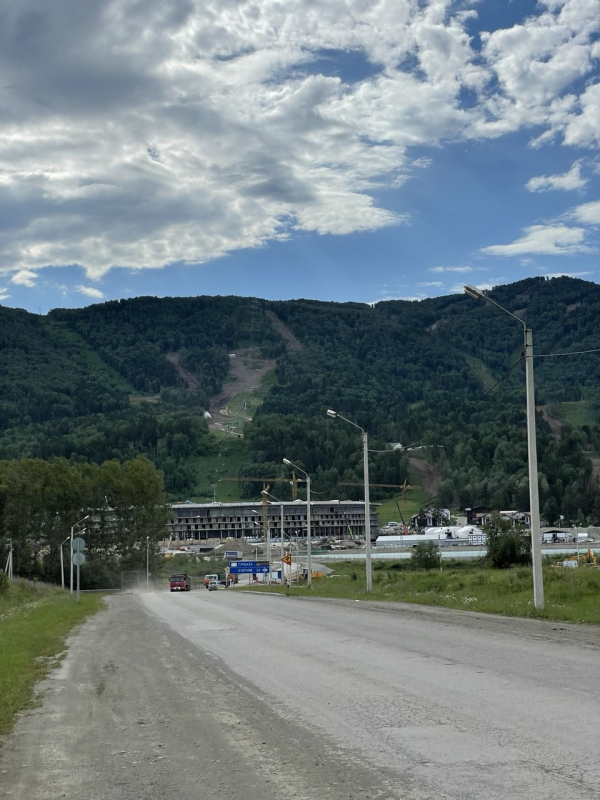 Construction of the Manzherok resortCopyright: photograph © courtesy of the Pravila Obshcheniya agency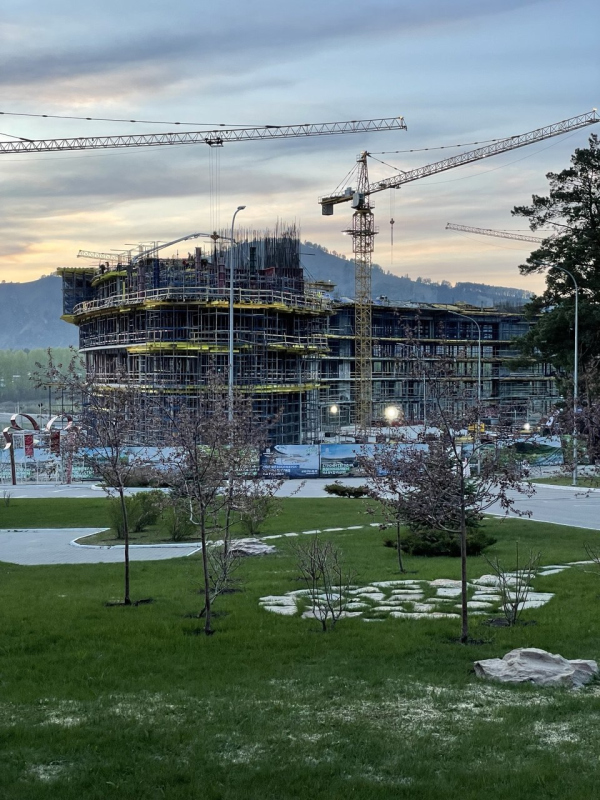 Construction of the Manzherok resortCopyright: photograph © courtesy of the Pravila Obshcheniya agency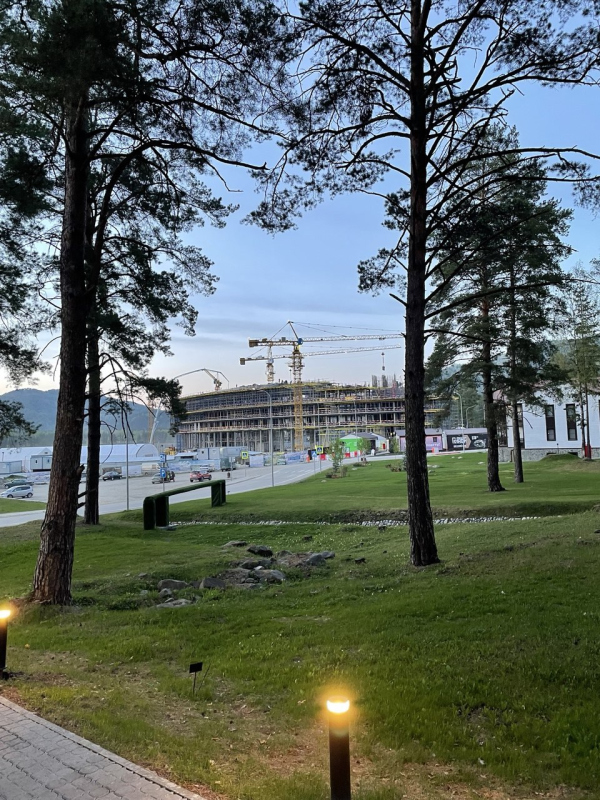 Construction of the Manzherok resortCopyright: photograph © courtesy of the Pravila Obshcheniya agency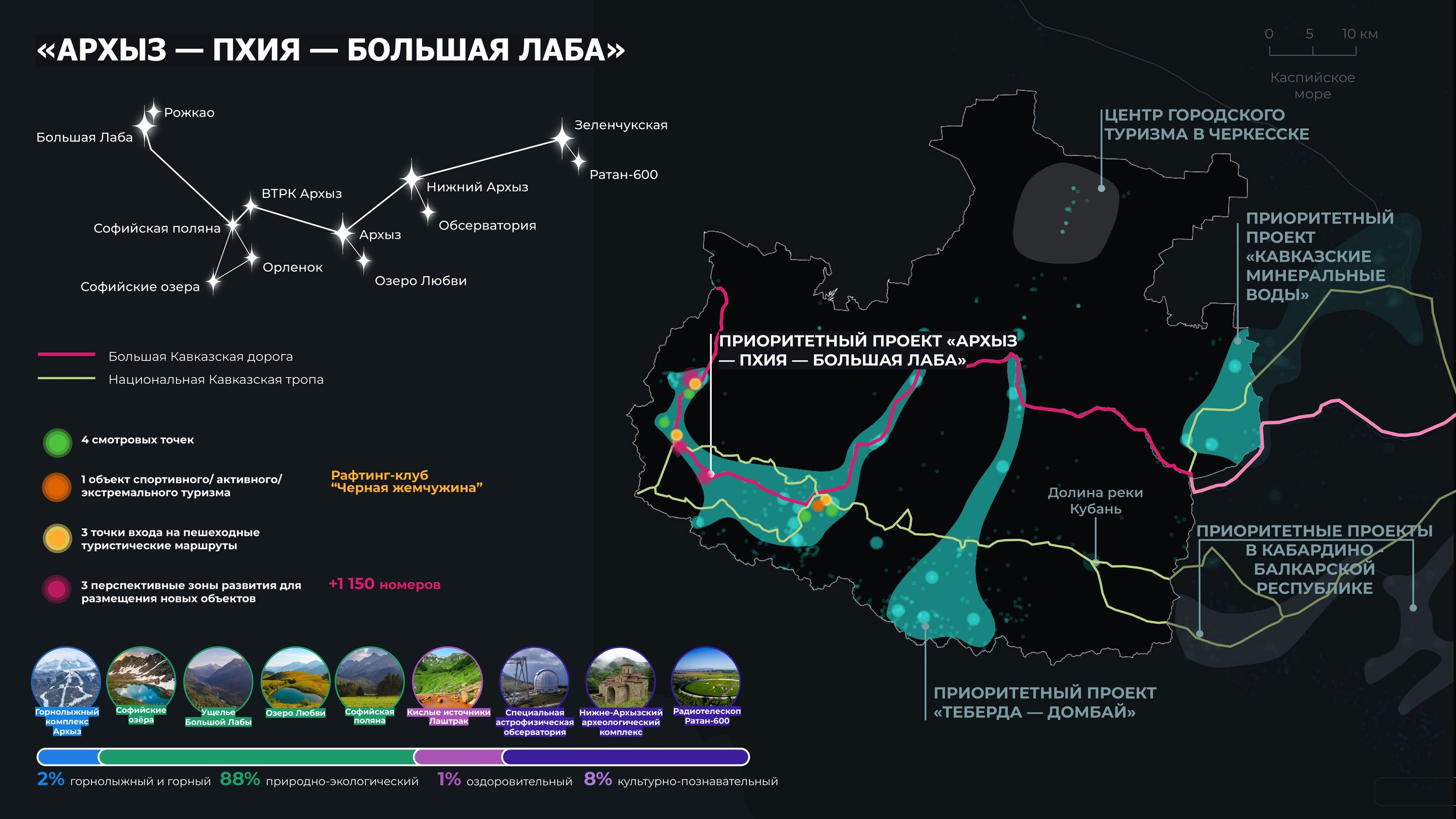 “Constellations of the Caucasus”Copyright: image © Novaya Zemlya and ProGorod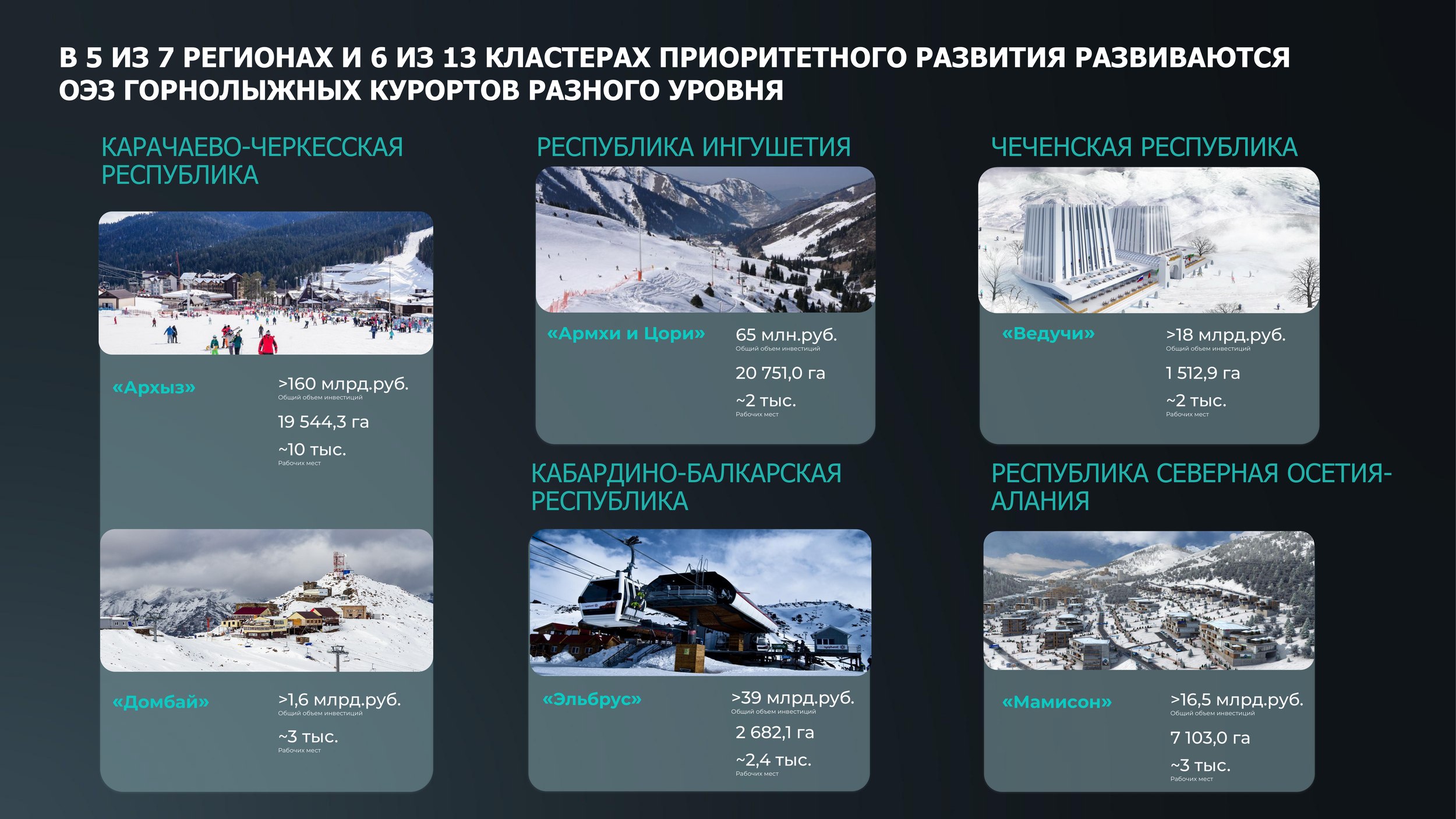 “Constellations of the Caucasus”Copyright: image © Novaya Zemlya and ProGorod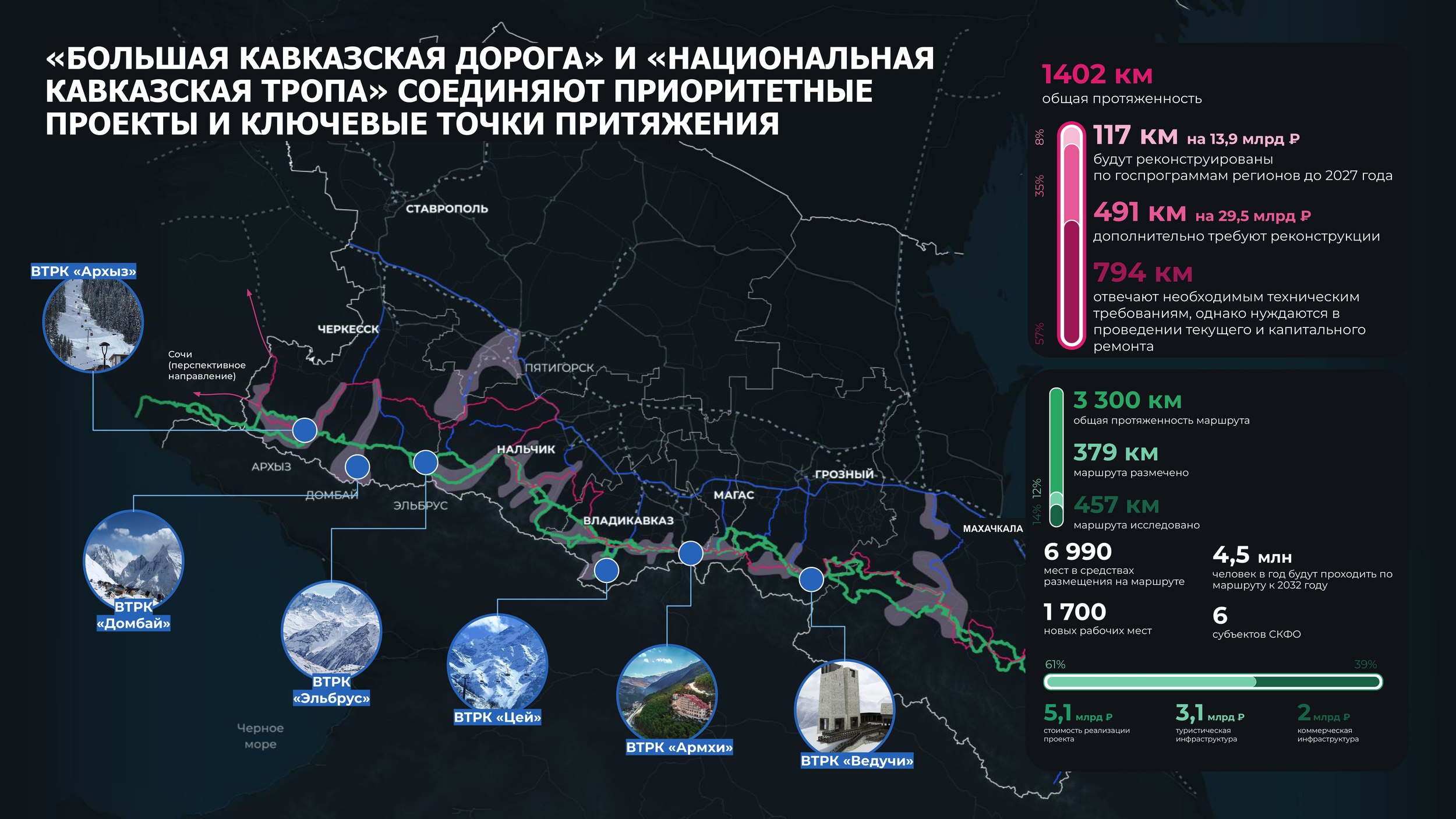 “Constellations of the Caucasus”Copyright: image © Novaya Zemlya and ProGorod Armkhi all-season tourist and recreational complex. Development of ski infrastructureCopyright: © Genplan Institute of Moscow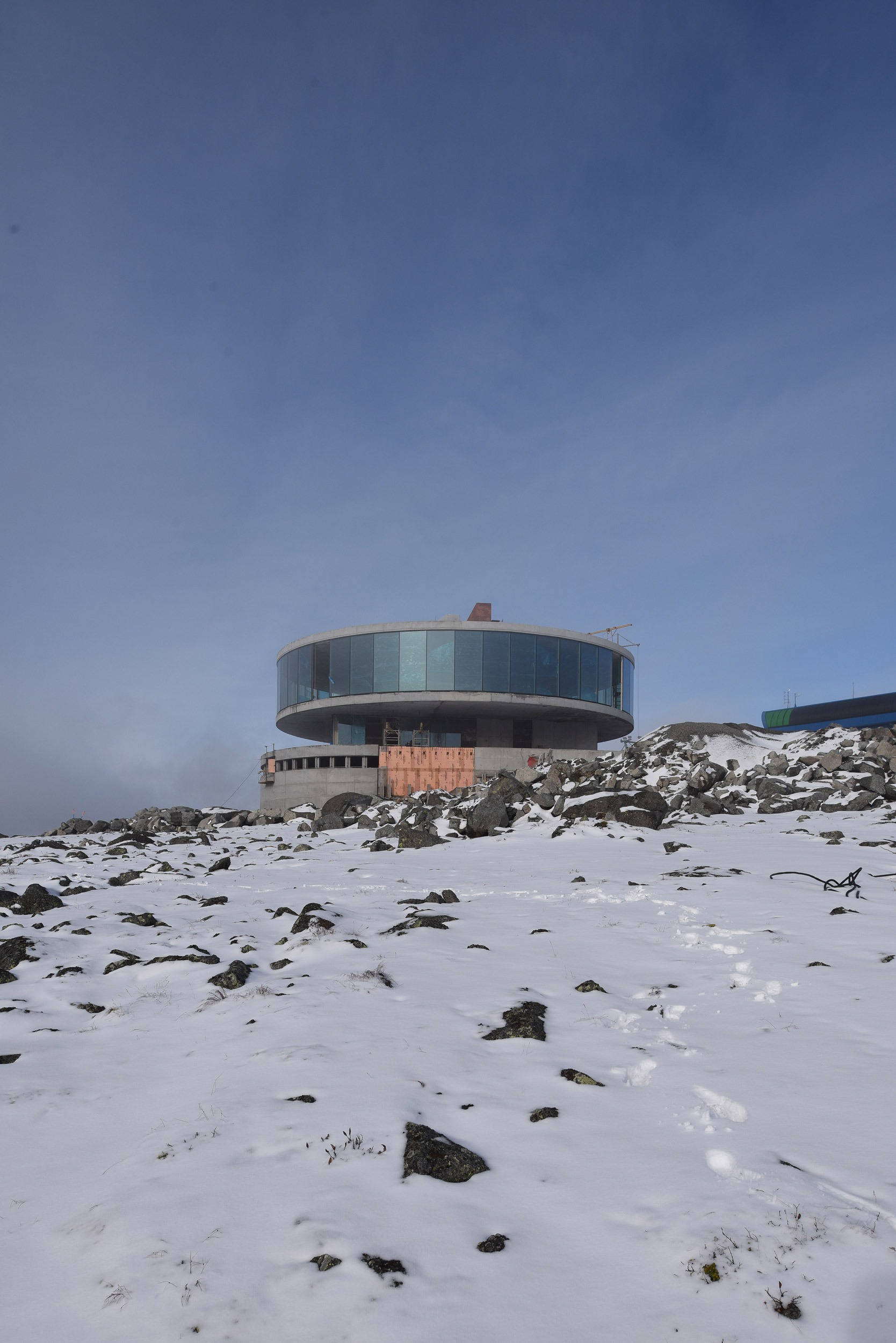 The restaurant in the mountainsCopyright: © Kleinewelt Architekten |
|