|
Published on Archi.ru (https://archi.ru) |
|
| 16.12.2025 | |
|
A Knight’s Move via the Cour d’Honneur |
|
|
Alyona Kuznetsova |
|
| Architect: | |
| Eugene Podgornov | |
| Studio: | |
| INTERCOLUMNIUM | |
|
Intercolumnium Architects presented to the City Planning Council a residential complex project that is set to replace the Aquatoria business center on Vyborgskaya Embankment. Experts praised the overall quality of the work, but expressed reservations about the three cour d’honneurs and suggested softening the contrast between the facades facing the embankment and the Kantemirovsky Bridge. Evgeny Podgornov presented yet another residential project designed for Vyborgskaya Embankment. The former industrial area between the Ushakovsky and Grenadersky bridges has been undergoing an intensive transformation in recent years, with production, office, and warehouse facilities giving way to numerous residential developments. In this case, the Aquatoria business center, built in the 1980s, is being demolished – architecturally unremarkable, yet one that contributed a degree of functional diversity to the district. 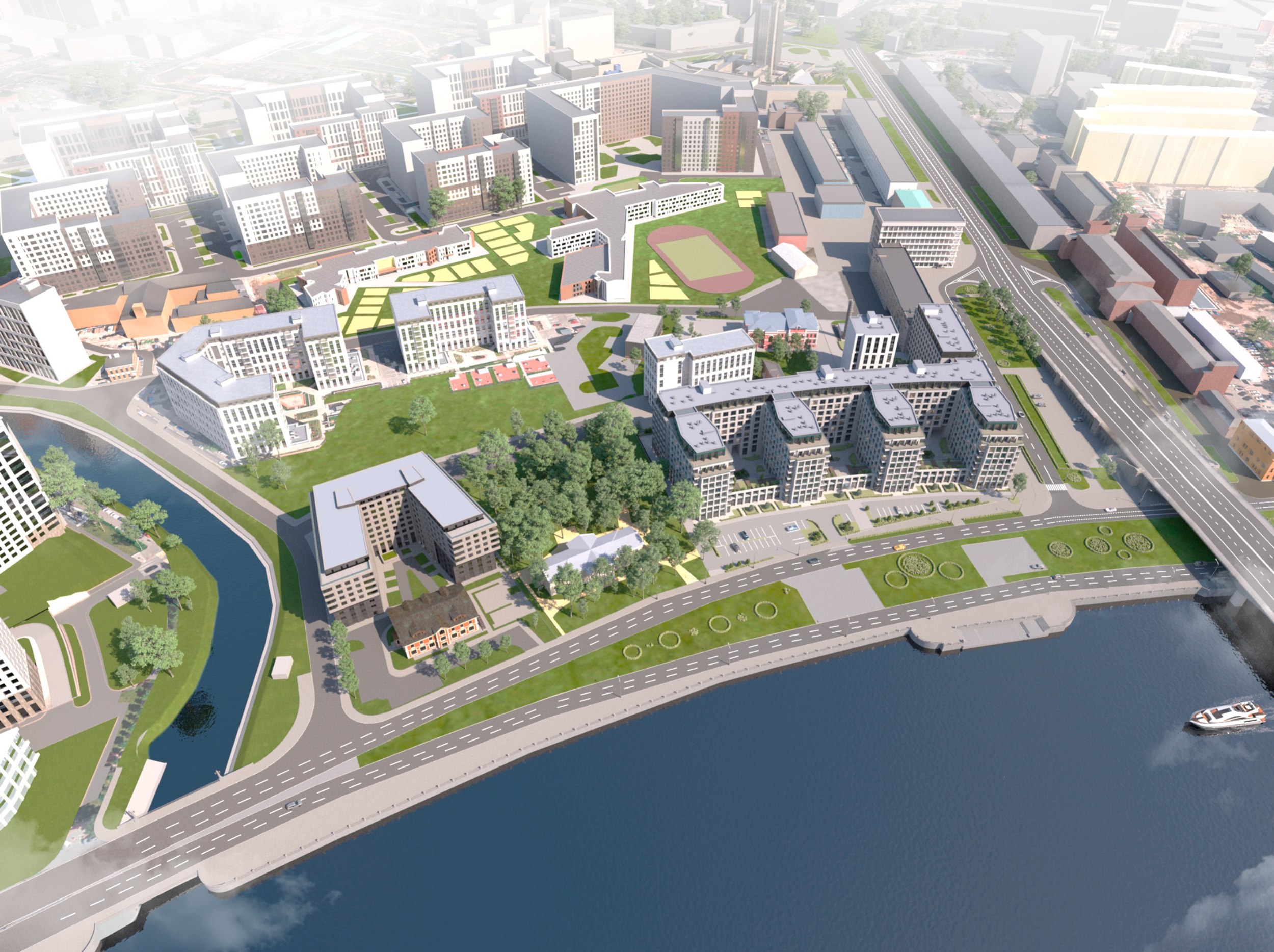 AQUATORI housing complexCopyright: © INTERCOLUMNIUM / provided by Committee for Urban Planning and Architecture press service AQUATORI housing complex. Dismantling planCopyright: © INTERCOLUMNIUM / provided by Committee for Urban Planning and Architecture press service AQUATORI housing complex. Location planCopyright: © INTERCOLUMNIUM / provided by Committee for Urban Planning and Architecture press service AQUATORI housing complex. Key elements of the post-Soviet development shaping the skyline of the Vyborg and Ushakov Embankments between Ushakov and Grenader BridgesCopyright: © INTERCOLUMNIUM / provided by Committee for Urban Planning and Architecture press service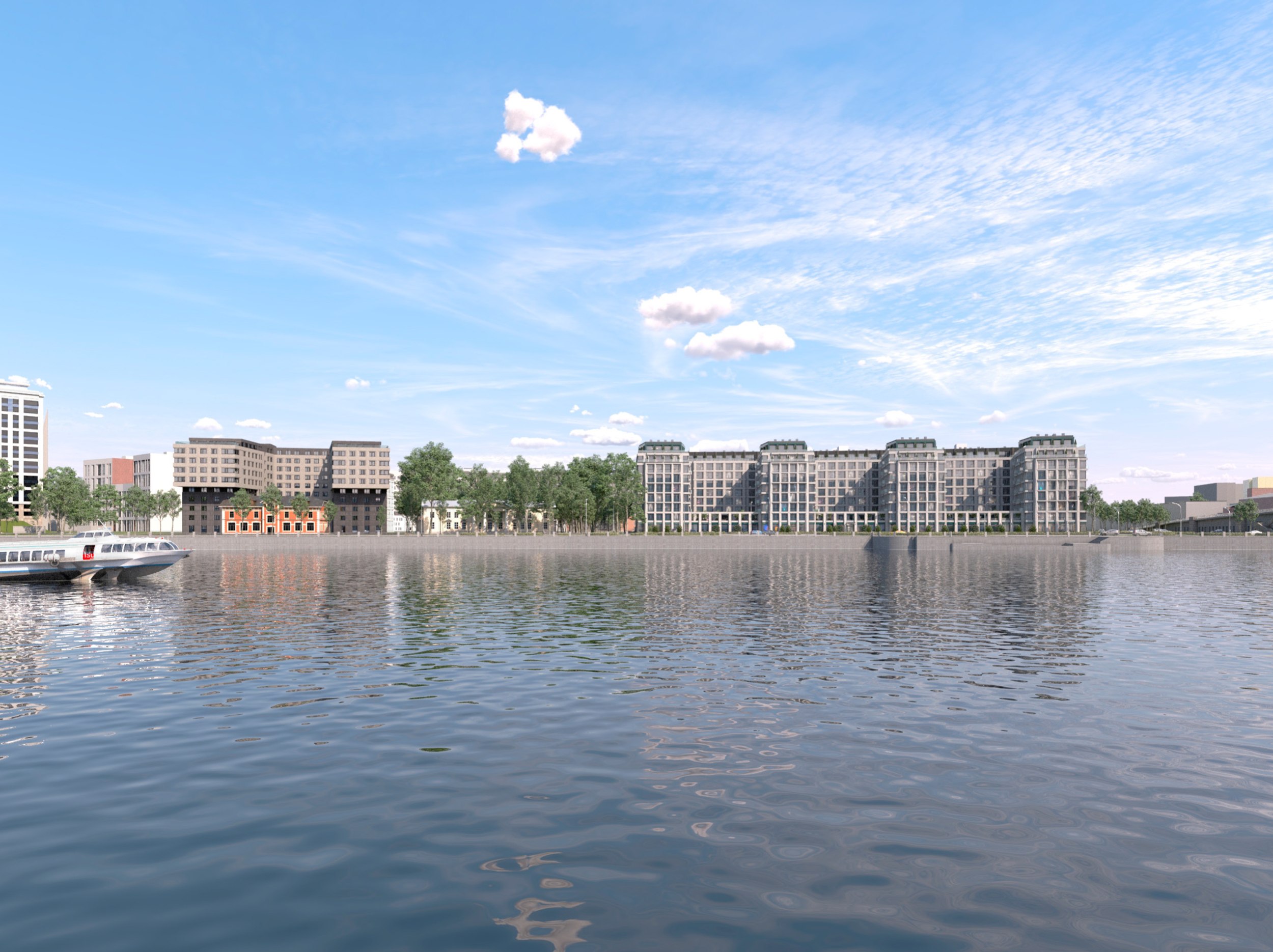 AQUATORI housing complexCopyright: © INTERCOLUMNIUM / provided by Committee for Urban Planning and Architecture press service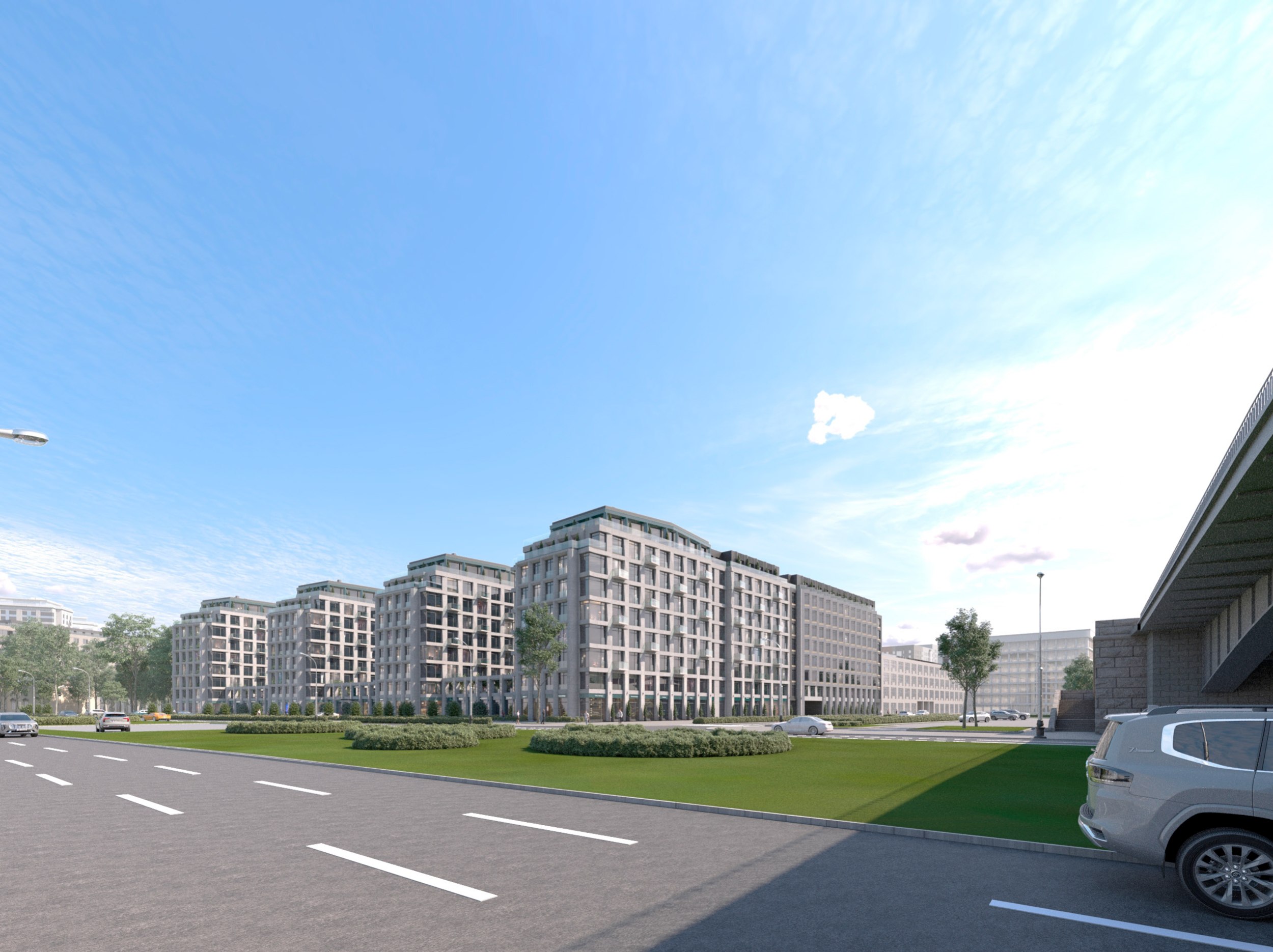 AQUATORI housing complexCopyright: © INTERCOLUMNIUM / provided by Committee for Urban Planning and Architecture press service AQUATORI housing complex.Diagram of the proposed location of the building on the siteCopyright: © INTERCOLUMNIUM / provided by Committee for Urban Planning and Architecture press service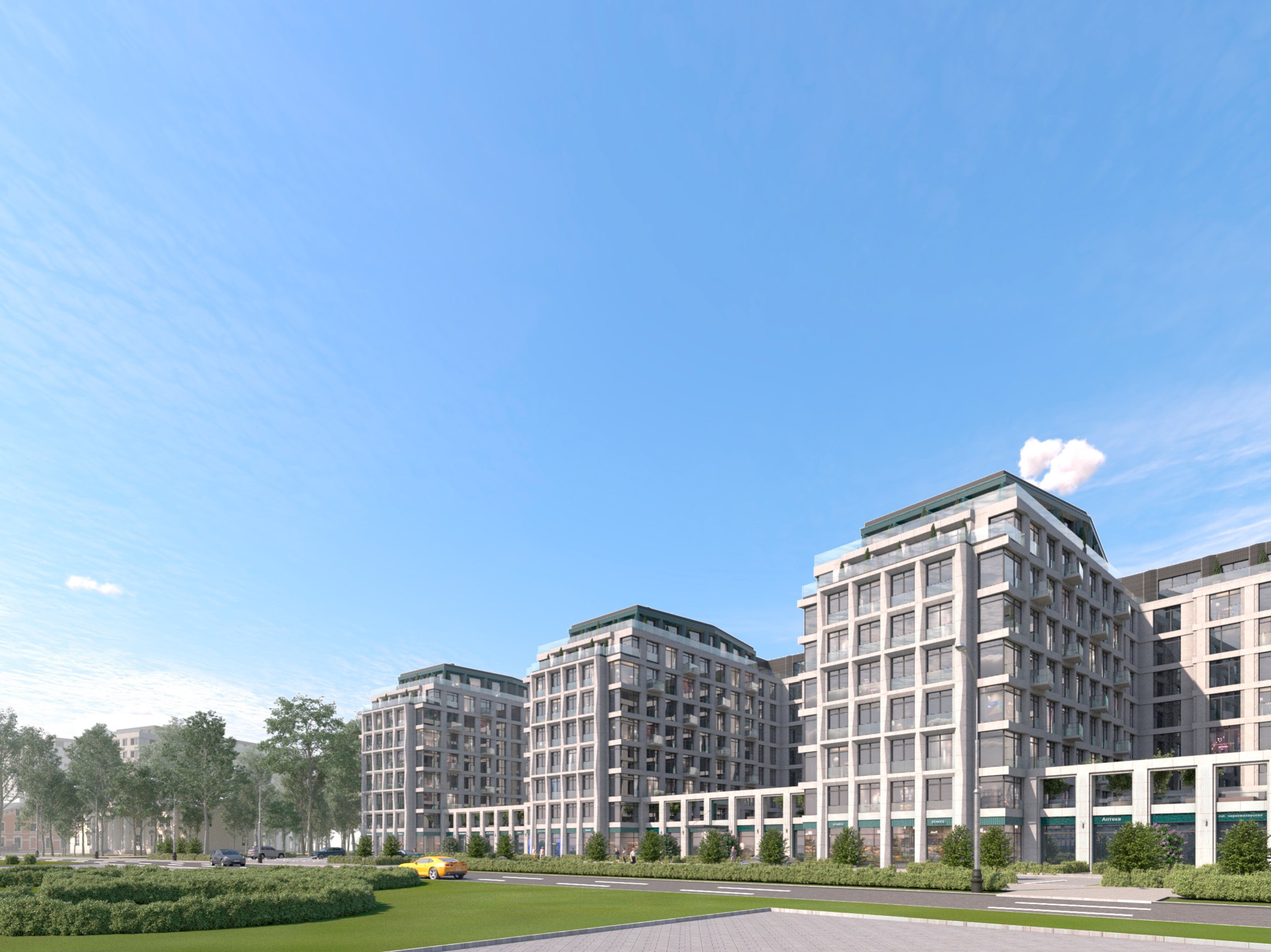 AQUATORI housing complexCopyright: © INTERCOLUMNIUM / provided by Committee for Urban Planning and Architecture press service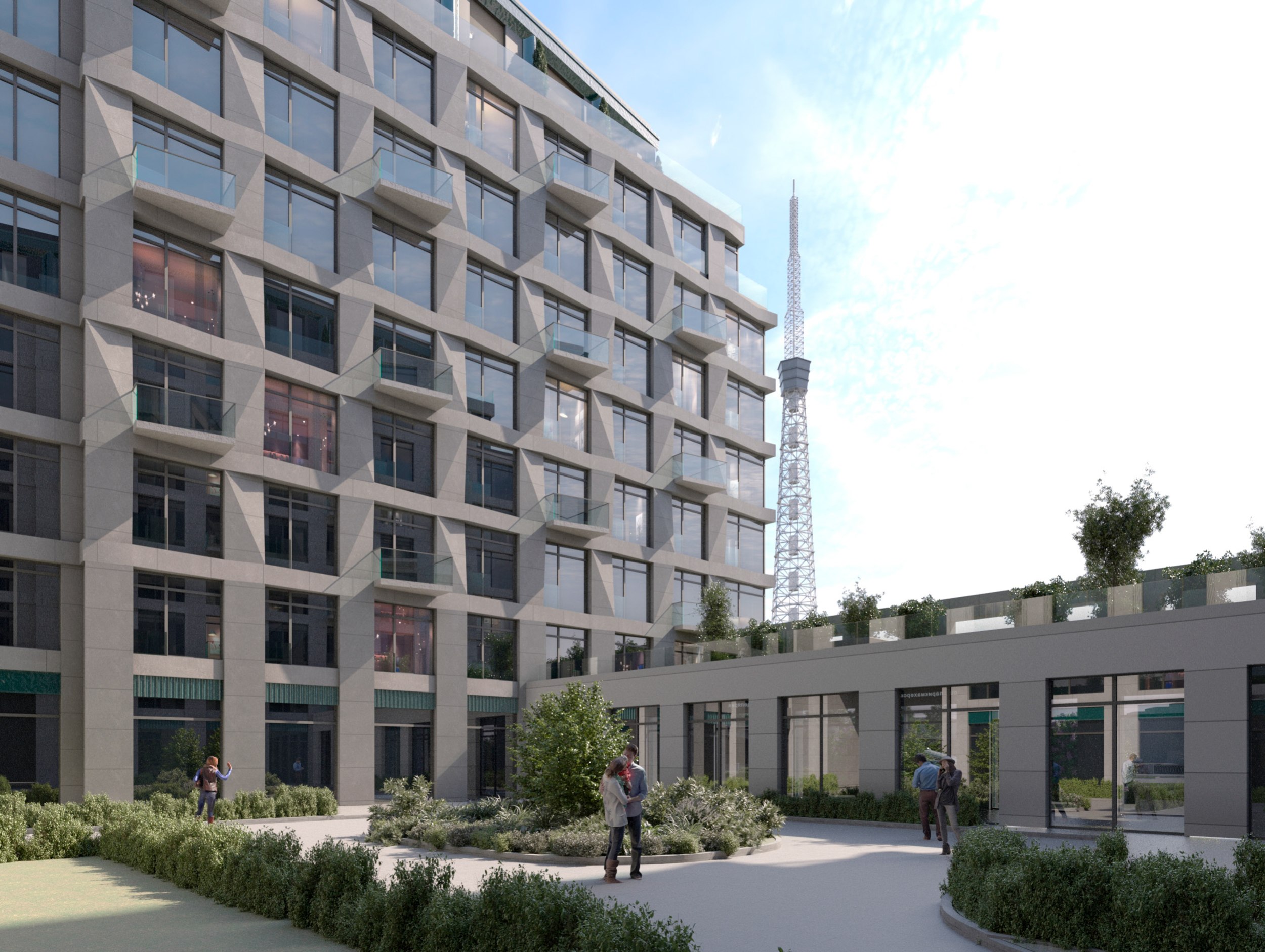 AQUATORI housing complexCopyright: © INTERCOLUMNIUM / provided by Committee for Urban Planning and Architecture press service AQUATORI housing complexCopyright: © INTERCOLUMNIUM / provided by Committee for Urban Planning and Architecture press service AQUATORI housing complexCopyright: © INTERCOLUMNIUM / provided by Committee for Urban Planning and Architecture press service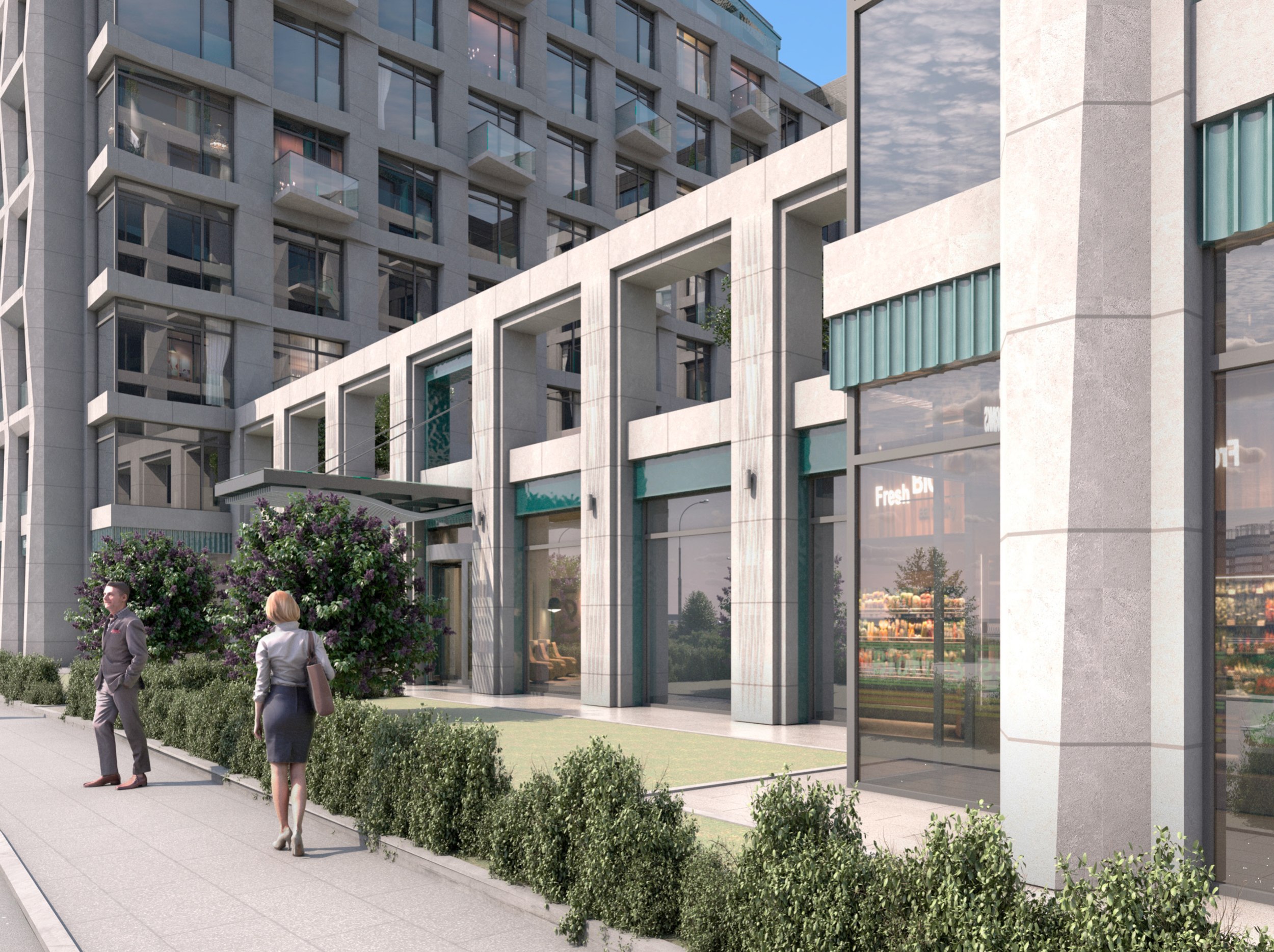 AQUATORI housing complexCopyright: © INTERCOLUMNIUM / provided by Committee for Urban Planning and Architecture press service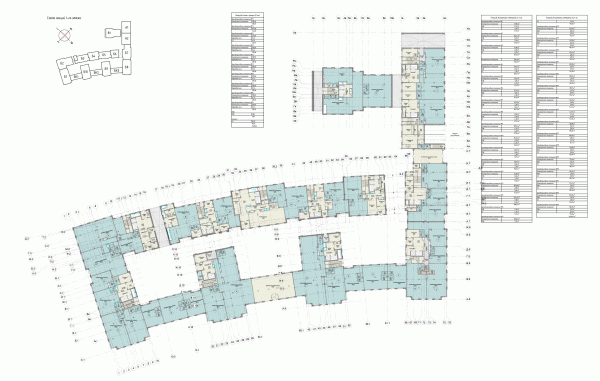 AQUATORI housing complex. Plan of the 1st floorCopyright: © INTERCOLUMNIUM / provided by Committee for Urban Planning and Architecture press service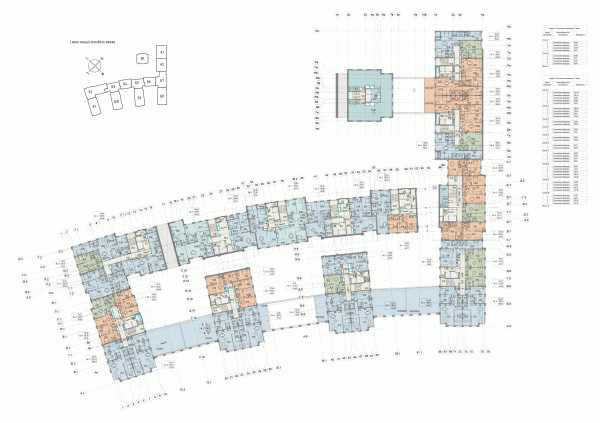 AQUATORI housing complex. Plan of the 2nd floorCopyright: © INTERCOLUMNIUM / provided by Committee for Urban Planning and Architecture press service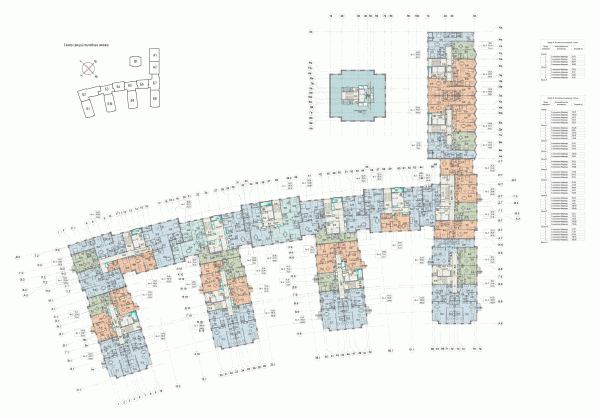 AQUATORI housing complex. Plan of the 3rd-7th floorCopyright: © INTERCOLUMNIUM / provided by Committee for Urban Planning and Architecture press service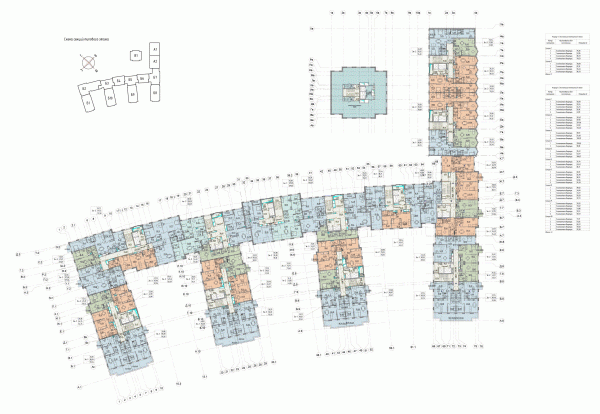 AQUATORI housing complex. Plan of the 8th floorCopyright: © INTERCOLUMNIUM / provided by Committee for Urban Planning and Architecture press service AQUATORI housing complex. Plan of the 9th floorCopyright: © INTERCOLUMNIUM / provided by Committee for Urban Planning and Architecture press service AQUATORI housing complex. Plan of the underground garage. -1st floorCopyright: © INTERCOLUMNIUM / provided by Committee for Urban Planning and Architecture press service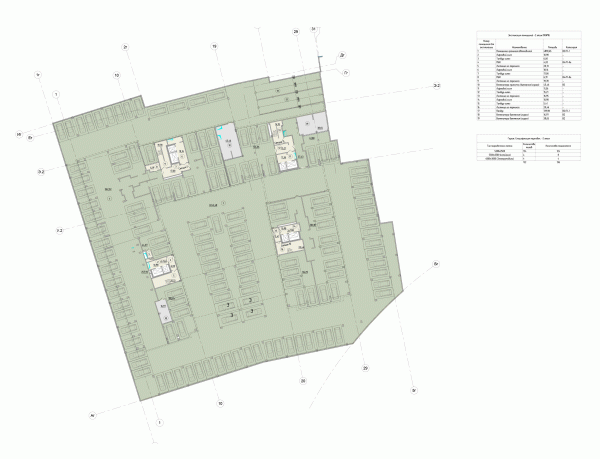 AQUATORI housing complex. Plan of the underground garage. -2nd floorCopyright: © INTERCOLUMNIUM / provided by Committee for Urban Planning and Architecture press service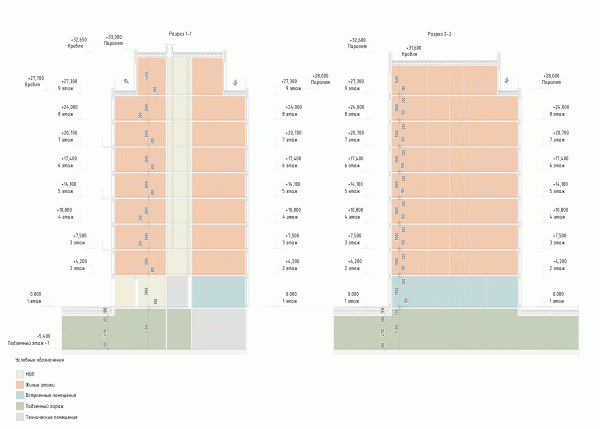 AQUATORI housing complex. Section view 1-1, Section view 2-2Copyright: © INTERCOLUMNIUM / provided by Committee for Urban Planning and Architecture press service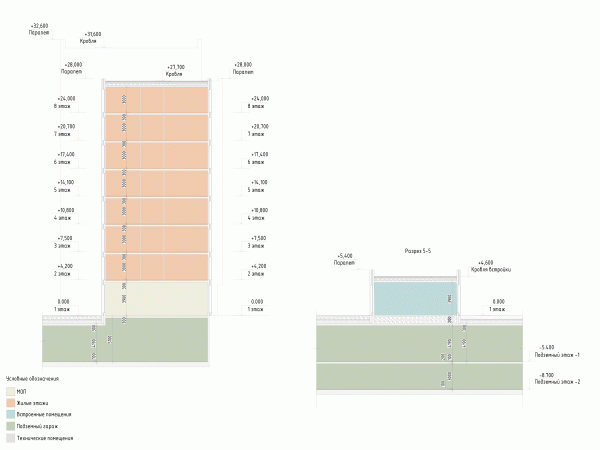 AQUATORI housing complex. Section view 3-3, Section view 5-5Copyright: © INTERCOLUMNIUM / provided by Committee for Urban Planning and Architecture press service AQUATORI housing complex. Section view 4-4, Section view 7-7Copyright: © INTERCOLUMNIUM / provided by Committee for Urban Planning and Architecture press service AQUATORI housing complex. Section view 6-6Copyright: © INTERCOLUMNIUM / provided by Committee for Urban Planning and Architecture press service AQUATORI housing complexCopyright: © INTERCOLUMNIUM / provided by Committee for Urban Planning and Architecture press service AQUATORI housing complexCopyright: © INTERCOLUMNIUM / provided by Committee for Urban Planning and Architecture press service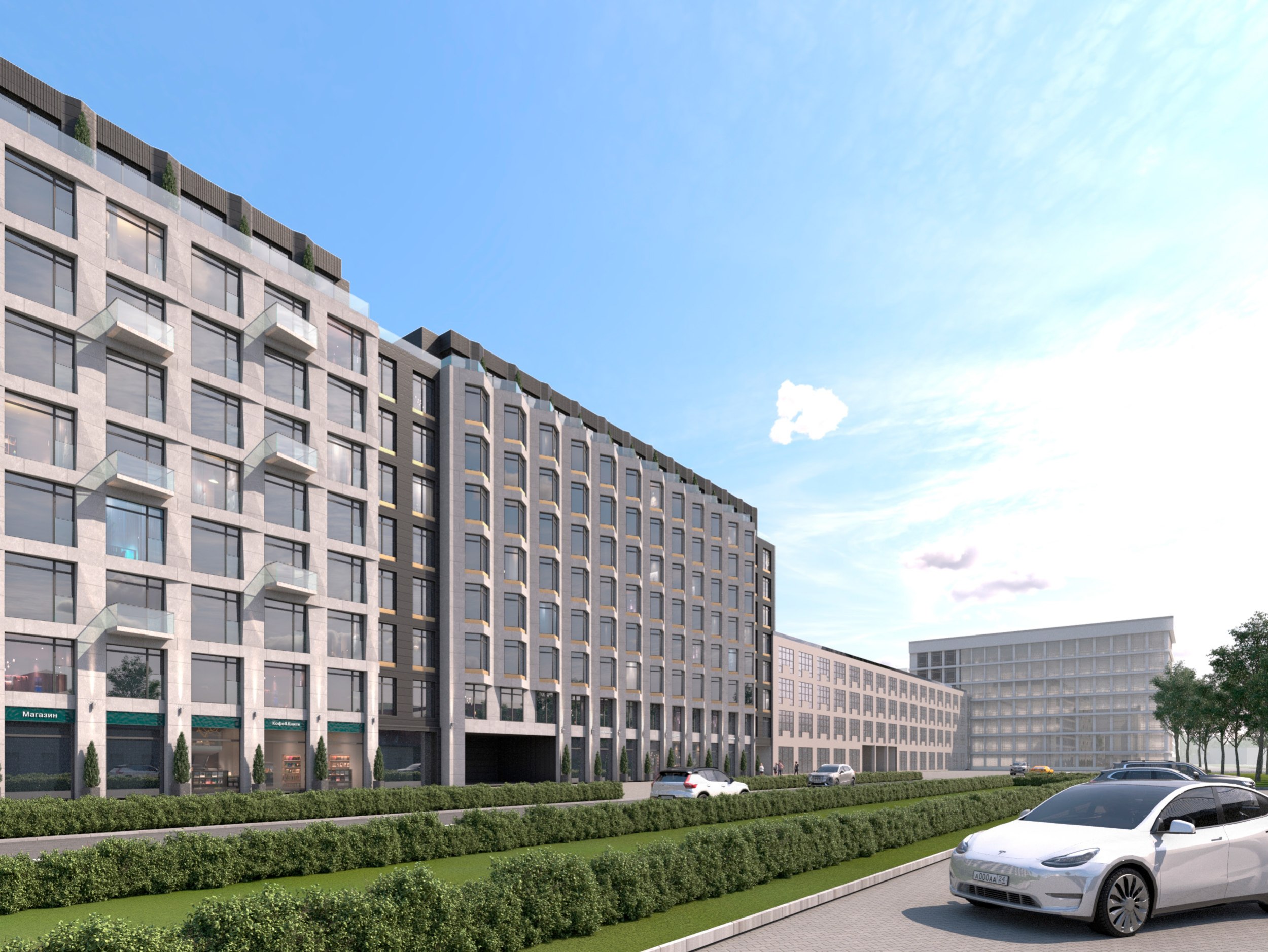 AQUATORI housing complexCopyright: © INTERCOLUMNIUM / provided by Committee for Urban Planning and Architecture press service AQUATORI housing complex. View from House 18 on Aptekarskaya EmbankmentCopyright: © INTERCOLUMNIUM / provided by Committee for Urban Planning and Architecture press service AQUATORI housing complexCopyright: © INTERCOLUMNIUM / provided by Committee for Urban Planning and Architecture press service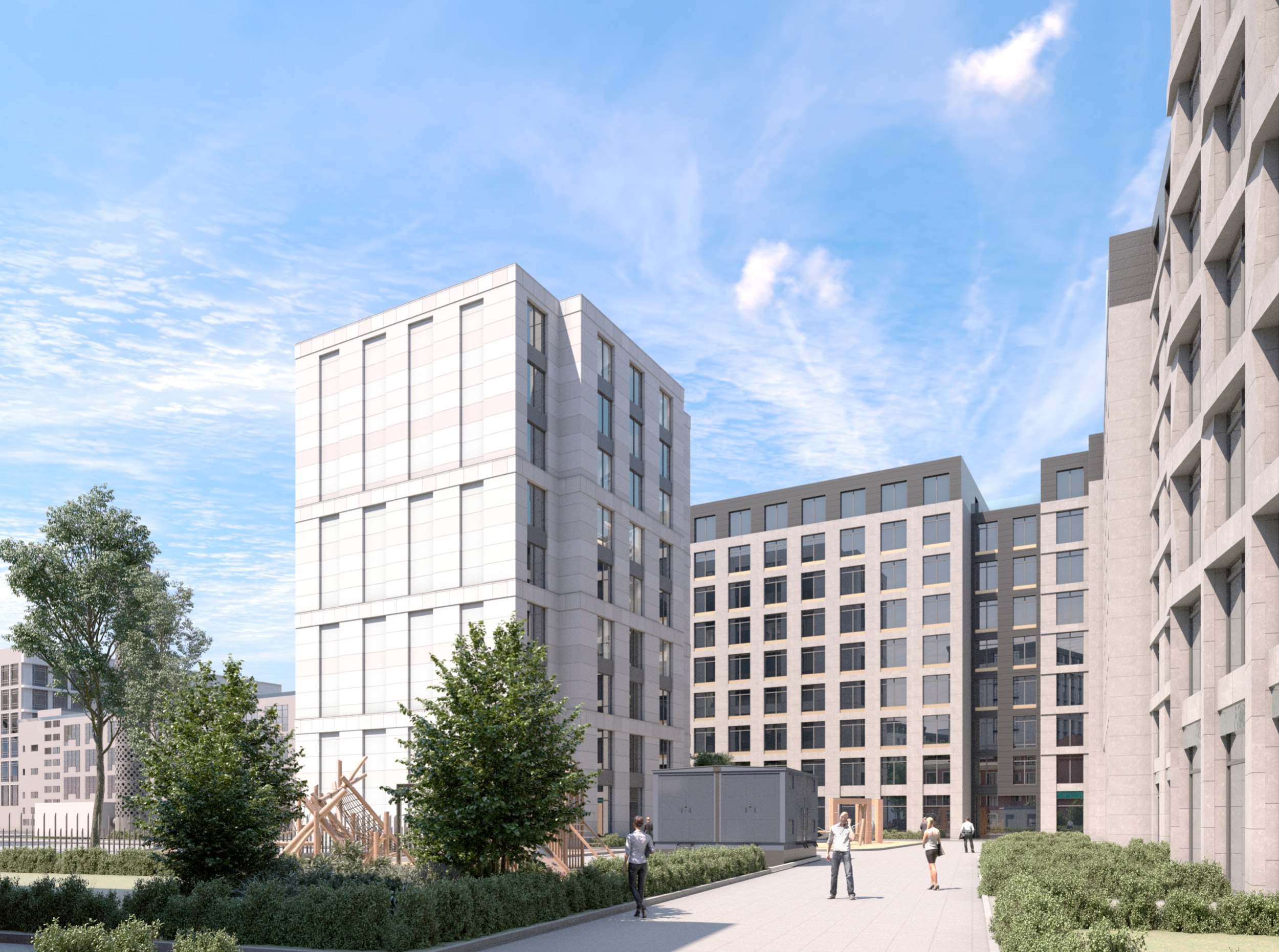 AQUATORI housing complexCopyright: © INTERCOLUMNIUM / provided by Committee for Urban Planning and Architecture press service AQUATORI housing complexCopyright: © INTERCOLUMNIUM / provided by Committee for Urban Planning and Architecture press service |
|
