|
Published on Archi.ru (https://archi.ru) |
|
| 04.12.2025 | |
|
A Theater Triangle |
|
|
|
|
| Architect: | |
| Zurab Bassaria | |
| Mikhail Kanunnikov | |
| Vsevolod Medvedev | |
| Oleg Medinsky | |
| Studio: | |
| 4izmerenie | |
|
The architectural company “Chetvertoe Izmerenie” (“Fourth Dimension”) has developed the design for a new stage of the Magnitogorsk Musical Theater, rethinking not only theater architecture but also the role of the theater in the contemporary city. Magnitogorsk is one of Russia’s largest industrial centers and the most important city of the Southern Urals. Located 1,700 kilometers from Moscow, it lies literally on the boundary between two continents: its eastern part is in Asia, its western part in Europe.  Vsevolod Medvedev, the leader of Fourth Dimension Any theater is a one-of-a-kind project – you could even call it a collector’s piece. There are no ready-made methods, no prepackaged ideas or standard solutions. You always start from a blank slate, and that’s where the main creative value and professional challenge lie for architects and artists. This theater was especially interesting and demanding for us, because its opening for the city’s 100th anniversary will be a major event that residents and performers are eagerly anticipating. We had to create a new urban symbol – a multifunctional, flexible complex where opera, ballet, drama productions, symphony concerts, major civic events can all take place with equal comfort, and, importantly, where any touring company can be hosted. Hence a broader name that it bears: the New Stage of the Music Theater. The concept The theater in Magnitogorsk is not the first project of this type designed by the Fourth Dimension. One could say that the design of theater and performance venues has long been their specialization. Previously, the company took part in competitions for the reconstruction of the opera and ballet theater in Krasnoyarsk, developed “Tchaikovsky Universe theater” and concert complex in Klin, Yugra-Classic in Khanty-Mansiysk, and “Neftyanik Center” in Surgut. In designing the theater in Magnitogorsk, the architects sought an image that would be inseparable from its location – something that could not be built anywhere else. This had to be a “customized” project made specifically for Magnitogorsk. The key to the concept and the visual motif was the equilateral triangle, the heraldic symbol on the city’s coat of arms.  The symbol refers to Mount Magnitnaya, at whose foot the city arose, as well as to the legendary geologists’ tent from which the development of the ore deposit began. A monument to the “First Tent” stands in the local Veterans’ Park. The equilateral triangle symbolizes unity, stability, and strength – the qualities that have shaped Magnitogorsk’s character and its industrial destiny. The triangle motif runs throughout the project – from the form of the chandelier in the main hall and the cornice pattern on one of the facades to the paving pattern of the theater square and the outline of the outdoor benches.  Oleg Medinsky, the co-founder of Fourth Dimension At the very beginning, we were quite apprehensive about our concept – fitting an extensive and complex theater program into a pure geometric form. However, it turned out to be a very engaging challenge – a kind of next step in mastering the ideal form, since previously we had worked on the “Tchaikovsky Univers”’ inscribed in a circle and the Khvorostovsky Theater inscribed in a cube. The triangular footprint posed additional challenges: the building had a low yield of useful square footage, and did not naturally align with classical architectural forms. However, step by step, the architects found a solution that satisfied everyone. They are proud to have preserved the purity of the concept and to have fit the theater into an ideal geometric form without ever exceeding the boundaries of the triangular outline. The planning structure The building has a total area of 21,000 square meters, a height of about 40 meters, five above-ground floors, one basement level, and an open car park for 90 vehicles. Inside, the theater houses a large hall with 710 seats and an orchestra pit for 80 musicians, as well as a small 192-seat hall that can be transformed into a rehearsal backup stage. The halls are connected by a grand, triple-height foyer stretching 117 meters, with panoramic views of the Ural River and the memorial park. The foyer accommodates the theater museum and exhibition area, the main buffet, bars, lounge zones, and a designated spot for installing the city’s New Year tree. The back-of-house and performers’ area includes all the necessary facilities the company previously lacked: dressing rooms, rehearsal halls for the orchestra, choir, and ballet, a children’s vocal studio, workshops, and service and administrative units. The interior solutions are still in progress, but the overall image and character of the spaces are already clear. The foyer and auditoriums are finished in wood in warm golden and cognac tones. In the architects’ view, the strong contrast between the restrained “cold” exterior shell of fiber-reinforced concrete, glass, and metal, and the “warm” interior will create a sensation of entering, from the outside, into a mysterious world of high art. The facades, monumental art, and media screen The theater has three different yet harmonious facades, each approximately 120 meters long. The first – its main, light-colored facade facing Lenin Avenue – is composed of two parts. One features extensive glazing at the main entrance and foyer; the other is more monumental, with entrances to the city theater café, the music shop, and the ticket lobby. The facade is evenly structured with vertical pilasters of light fiber-reinforced concrete supporting a massive projecting cornice. To establish a dialogue with the surrounding Stalin-era architecture, the pilasters were given fluted detailing. The theme of the fluted pilasters is continued by the glass columns installed along the façade – festive urban light fixtures. They not only reinforce the vertical rhythm of the composition but also create a visual refrain with the city’s Neo-classical Stalin-era architecture, interpreting it in a contemporary manner. The alternating bands of light and shadow form a ceremonial, orderly frontage that gives the building a scale comparable to its urban context. The second façade – dark gray, facing the memorial park and the Alley of Glory – is the most transparent and permeable, with a variable rhythm of pilasters. The third façade, facing the stadium, is monolithic and contains the performers’ and service areas. Due to the fact that the building stands on a site with a height difference of about six meters, one of the triangular corners ended up at the lower level, flush with the ground. This is where the entrances to the small hall and back-of-house areas are located, as well as the access ramp to the basement level – the garage and the loading area for stage equipment. In the classical sense, the role of the theater square is played by the landscaped space stretching along Lenin Avenue, the city’s busiest thoroughfare. Although the triangle is equilateral, its southern vertex, facing the Alley of Glory, is the most significant from the urban-planning standpoint. It is clearly visible from afar and acts as a kind of landmark. It is around this point that the architects develop the main architectural and artistic scenario. The space in front of the main entrance is sheltered from above by a massive projecting cornice. It is supported by an external wall that serves both structural and decorative functions: its surface carries an abstract composition executed in Florentine mosaic, using stone sourced in Magnitogorsk. Fourth Dimension traditionally integrates monumental and decorative artworks into its projects, and this building became no exception. The author of the composition “Dialectics of Attraction” is Maksim Lytov, president of the Association of Monumental Artists of Russia. In front of the wall with the Florentine mosaic stands a triangular pool with a monumental sculpture. The symbolic pair – a man and a woman in dance – embodies the attraction of opposites, without which there is no life, movement, or art, for that matter: male and female, black and white, metal and stone, plane and volume, opera and ballet. Special attention in the project was given to the design of the stage cabinet. For an S7 stage type (a large stage for theaters with 800-1200 seats), the fly tower is quite tall and appears overly massive in the city panorama. Concealing the entire volume with artificial add-ons was deemed unreasonable, as it would further increase the size of the building. Instead, to visually lighten the theater’s silhouette and integrate it harmoniously into the surrounding development, the stage tower was turned into the city’s main media façade. Most of the time, the screen functions as a shimmering, iridescent volume in the sky – a landmark and urban beacon. When needed, however, it can display posters, fragments of productions, light installations, as well as city and festive events. A new role for the theater The architects sought not only to add a new focal point to the city skyline, but also to make the building a center of everyday life. They designed a space where art, education, and social interaction would come together. In their concept, the theater will operate almost around the clock, providing space for rehearsals, master classes, lectures, art exhibitions, educational programs, and family events. At different times of day, it will be open to different groups of visitors – from young children to teenagers and adults. The building’s layout accommodates a wide range of activities: from choral lessons to dance classes, from symphonic concerts to rock performances. Modern technologies – the transformable stalls of the small hall, adaptable rehearsal rooms, a specialized sound system, and new safety systems – will make visiting the theater comfortable for everyone. This approach will also change the institution’s financial model: instead of being a budget-dependent facility that burdens the city administration, the theater – thanks to its multifunctional character – will become a promising investment project and will contribute to the city’s balanced development. Cultural institutions are essential elements of urban identity. The new theater brings together tradition and modernity, classical features and contemporary technological solutions, and has every chance of becoming a new architectural symbol of Magnitogorsk – the cultural center of the region. 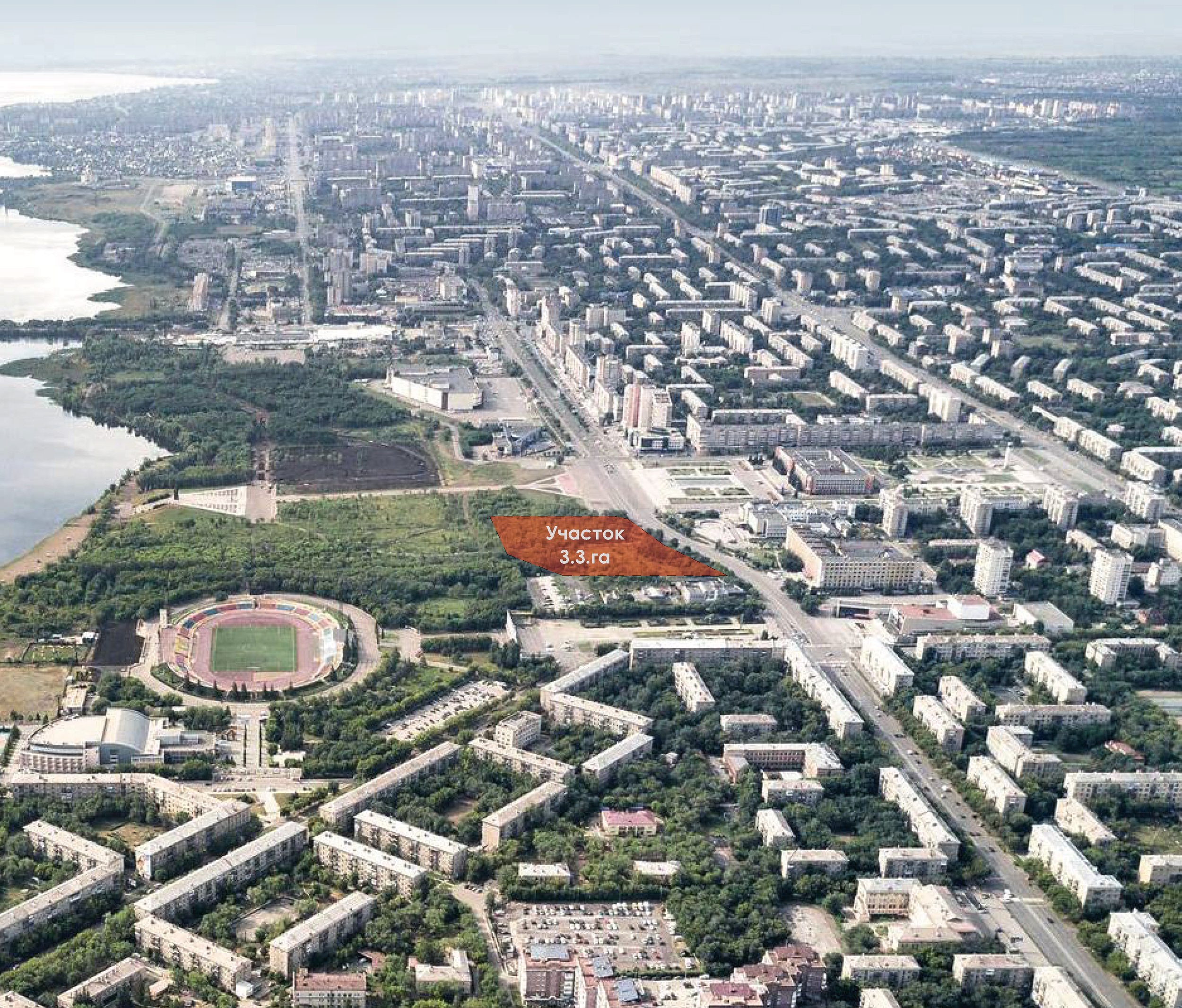 Magnitogorsk Musical TheaterCopyright: © Chetvertoe Izmerenie (“Fourth Dimension”) Magnitogorsk Musical TheaterCopyright: © Chetvertoe Izmerenie (“Fourth Dimension”)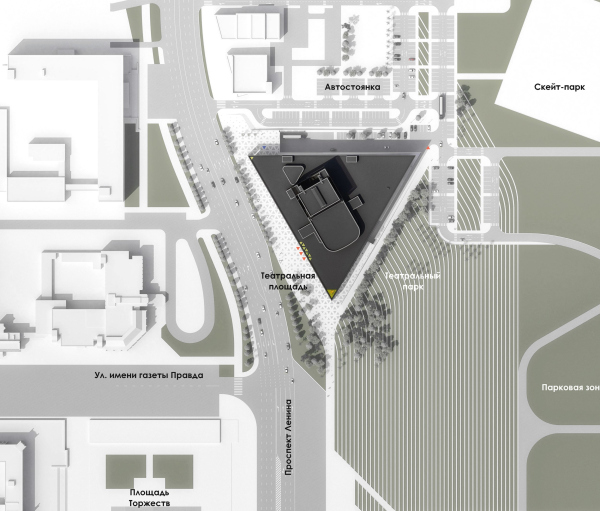 Magnitogorsk Musical TheaterCopyright: © Chetvertoe Izmerenie (“Fourth Dimension”)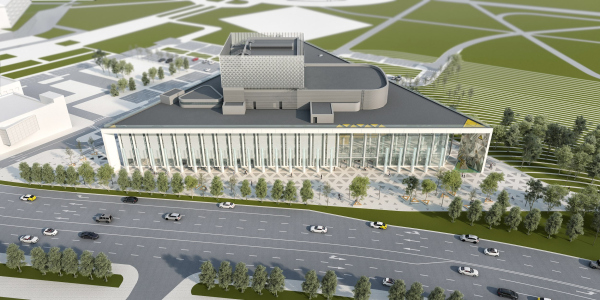 Magnitogorsk Musical TheaterCopyright: © Chetvertoe Izmerenie (“Fourth Dimension”)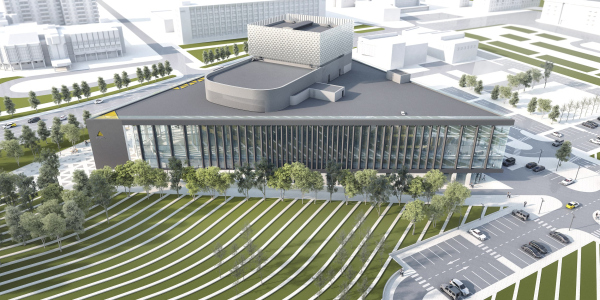 Magnitogorsk Musical TheaterCopyright: © Chetvertoe Izmerenie (“Fourth Dimension”) Magnitogorsk Musical TheaterCopyright: © Chetvertoe Izmerenie (“Fourth Dimension”)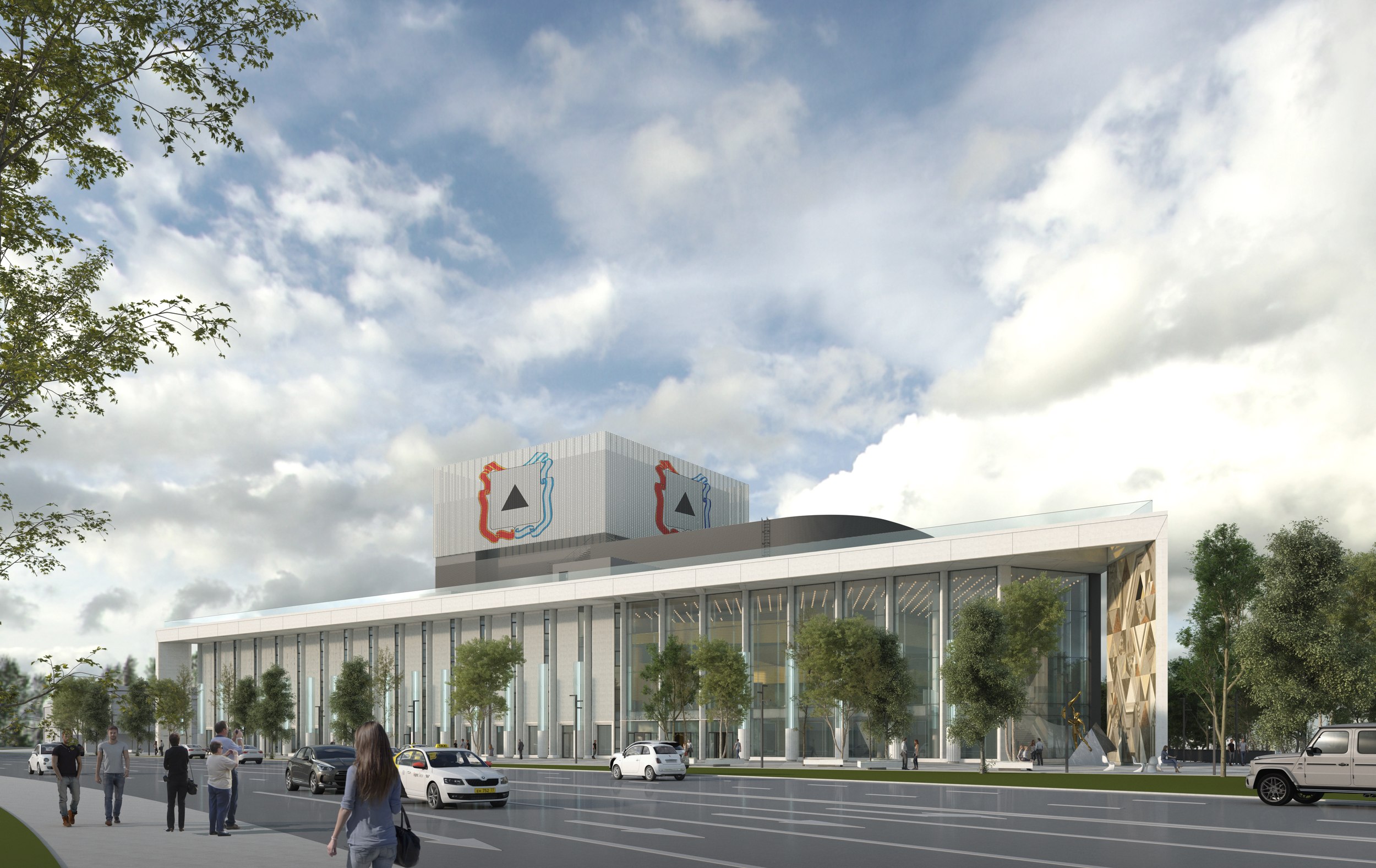 Magnitogorsk Musical TheaterCopyright: © Chetvertoe Izmerenie (“Fourth Dimension”)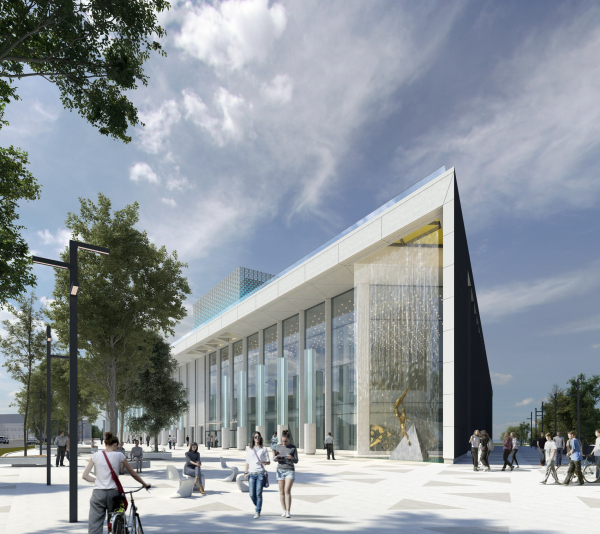 Magnitogorsk Musical TheaterCopyright: © Chetvertoe Izmerenie (“Fourth Dimension”) Magnitogorsk Musical TheaterCopyright: © Chetvertoe Izmerenie (“Fourth Dimension”)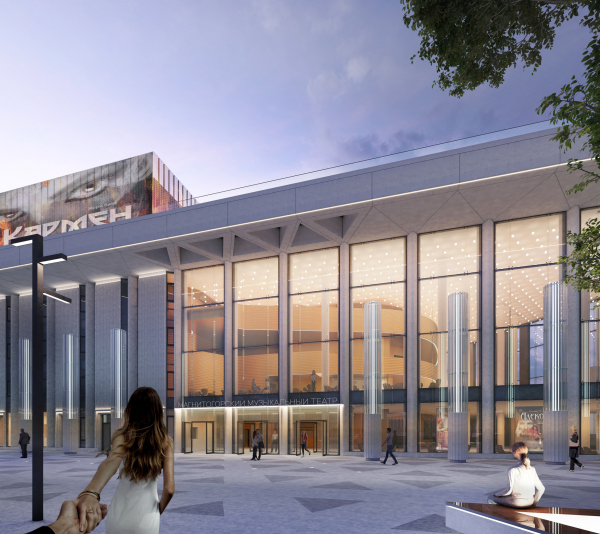 Magnitogorsk Musical TheaterCopyright: © Chetvertoe Izmerenie (“Fourth Dimension”)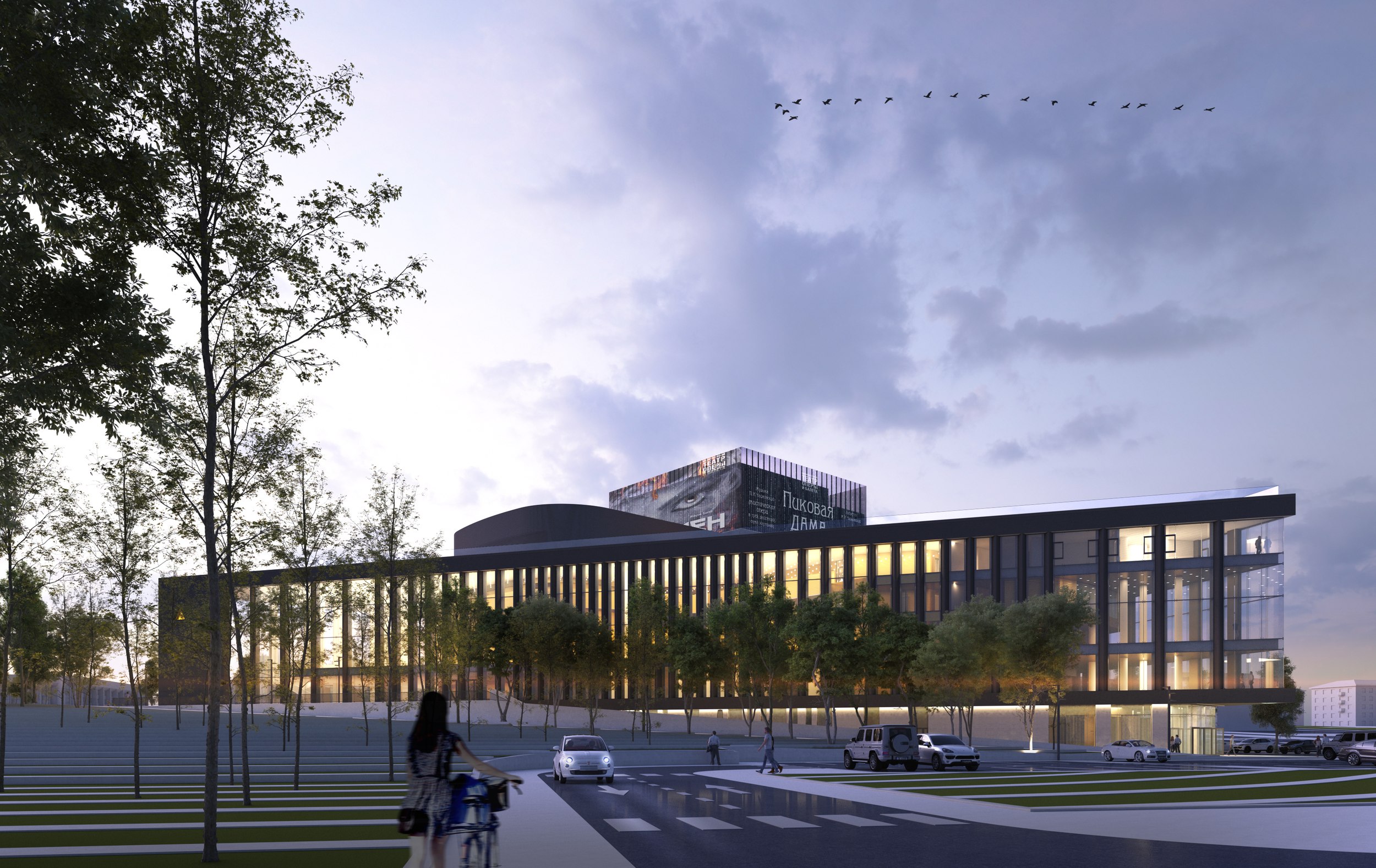 Magnitogorsk Musical TheaterCopyright: © Chetvertoe Izmerenie (“Fourth Dimension”)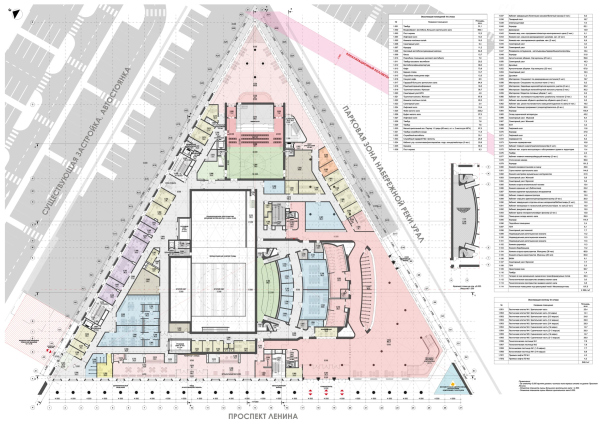 Magnitogorsk Musical TheaterCopyright: © Chetvertoe Izmerenie (“Fourth Dimension”)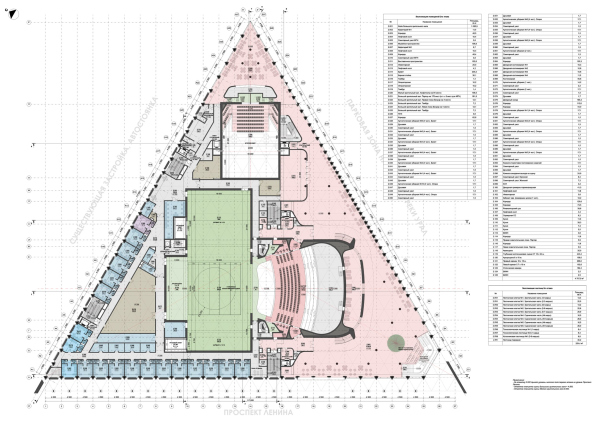 Plan of the second floor. Magnitogorsk Musical TheaterCopyright: © Chetvertoe Izmerenie (“Fourth Dimension”)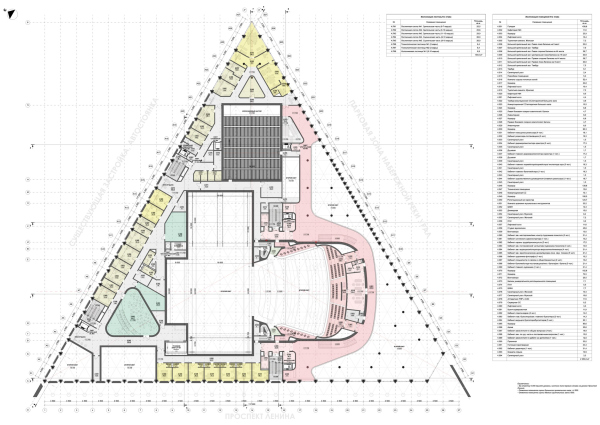 Magnitogorsk Musical TheaterCopyright: © Chetvertoe Izmerenie (“Fourth Dimension”)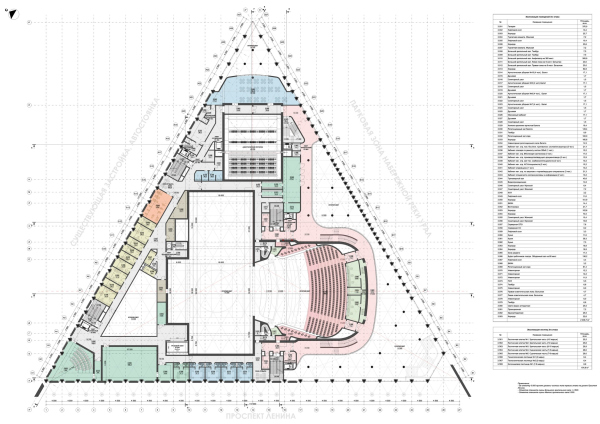 Plan of the third floor. Magnitogorsk Musical TheaterCopyright: © Chetvertoe Izmerenie (“Fourth Dimension”)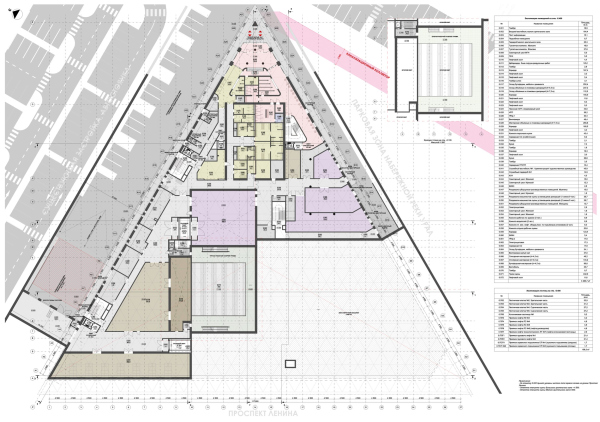 Plan of the basement floor. Magnitogorsk Musical TheaterCopyright: © Chetvertoe Izmerenie (“Fourth Dimension”)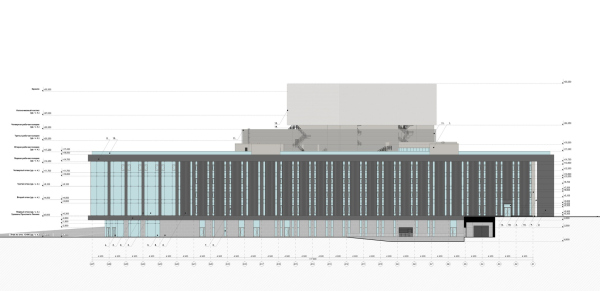 The north facade. Magnitogorsk Musical TheaterCopyright: © Chetvertoe Izmerenie (“Fourth Dimension”)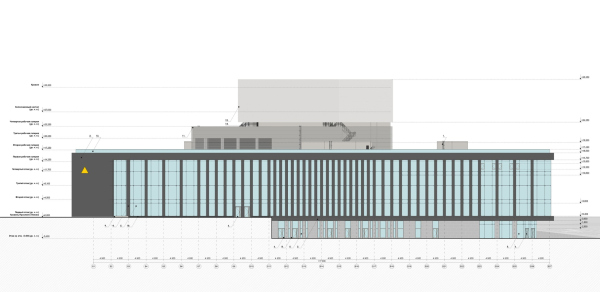 The southeast facade. Magnitogorsk Musical TheaterCopyright: © Chetvertoe Izmerenie (“Fourth Dimension”) The southwest facade. Magnitogorsk Musical TheaterCopyright: © Chetvertoe Izmerenie (“Fourth Dimension”)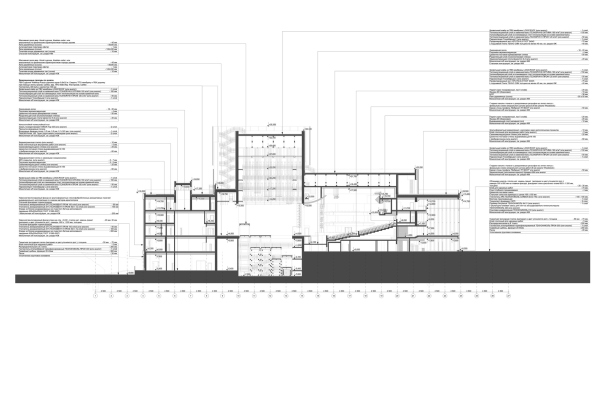 Section view 1-1. Magnitogorsk Musical TheaterCopyright: © Chetvertoe Izmerenie (“Fourth Dimension”)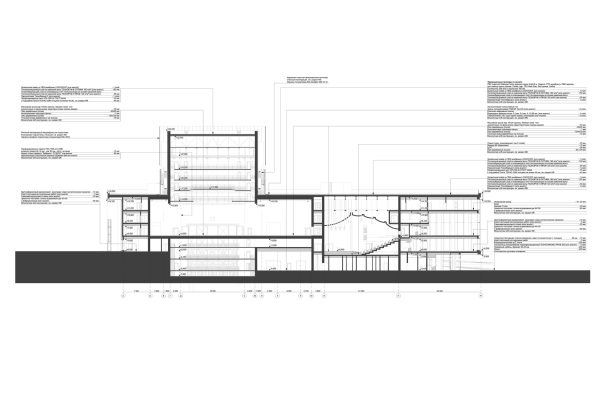 Section view 2-2. Magnitogorsk Musical TheaterCopyright: © Chetvertoe Izmerenie (“Fourth Dimension”)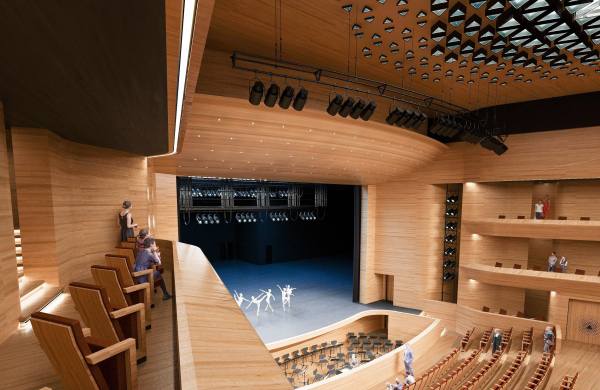 Magnitogorsk Musical TheaterCopyright: © Chetvertoe Izmerenie (“Fourth Dimension”) Magnitogorsk Musical TheaterCopyright: © Chetvertoe Izmerenie (“Fourth Dimension”)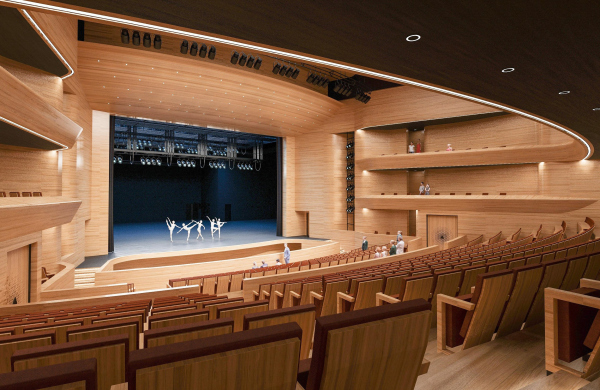 Magnitogorsk Musical TheaterCopyright: © Chetvertoe Izmerenie (“Fourth Dimension”)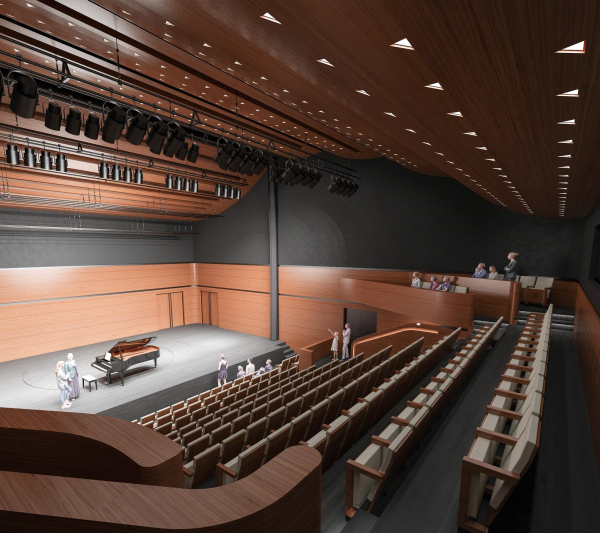 Magnitogorsk Musical TheaterCopyright: © Chetvertoe Izmerenie (“Fourth Dimension”)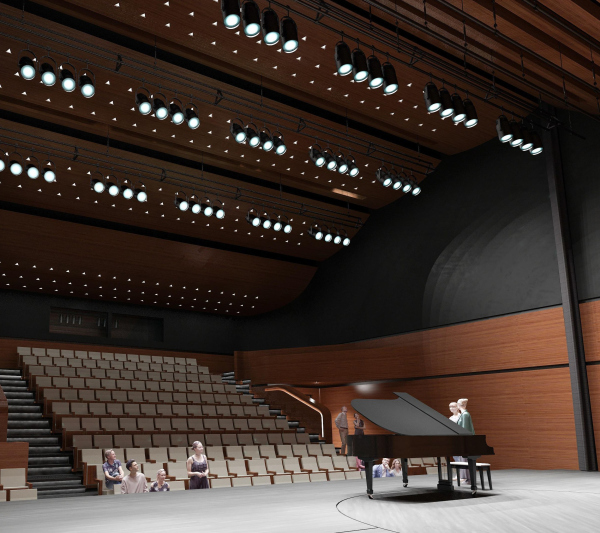 Magnitogorsk Musical TheaterCopyright: © Chetvertoe Izmerenie (“Fourth Dimension”)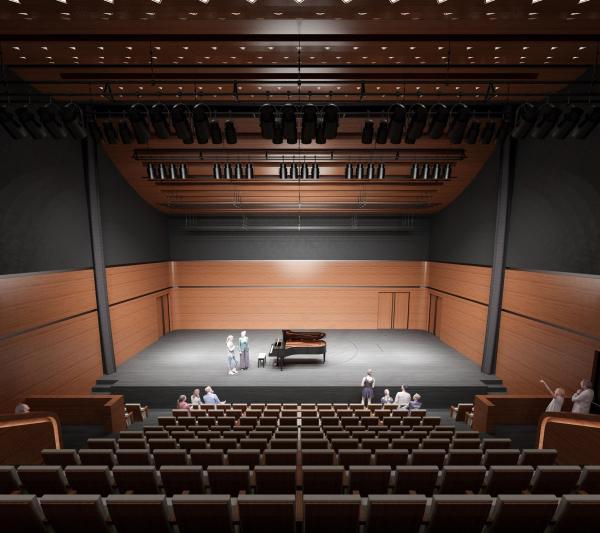 Magnitogorsk Musical TheaterCopyright: © Chetvertoe Izmerenie (“Fourth Dimension”)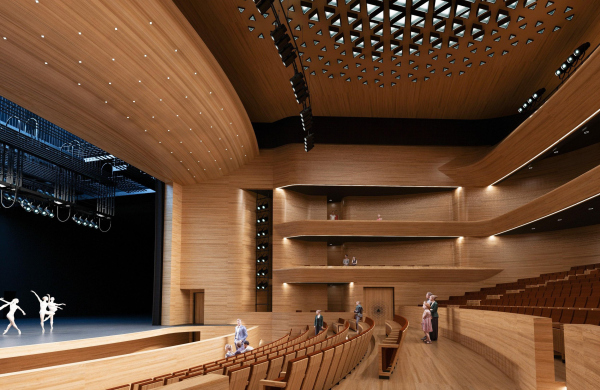 Magnitogorsk Musical TheaterCopyright: © Chetvertoe Izmerenie (“Fourth Dimension”)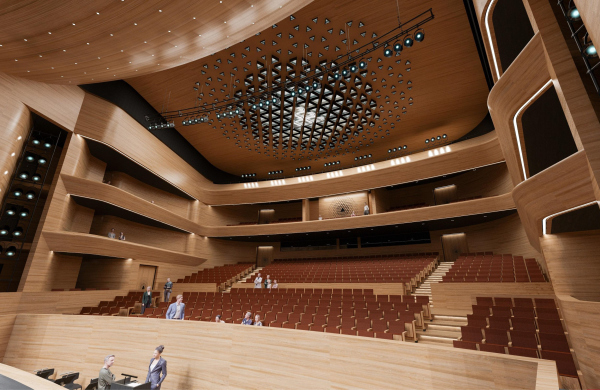 Magnitogorsk Musical TheaterCopyright: © Chetvertoe Izmerenie (“Fourth Dimension”)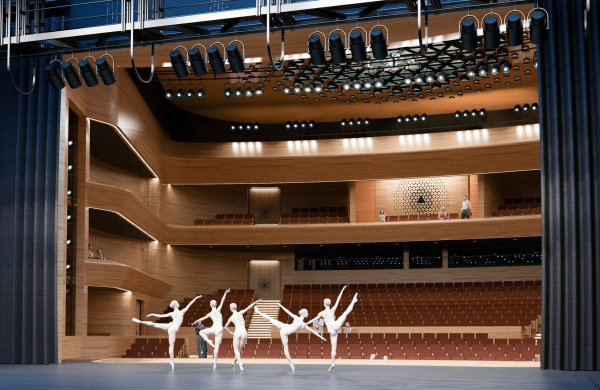 Magnitogorsk Musical TheaterCopyright: © Chetvertoe Izmerenie (“Fourth Dimension”)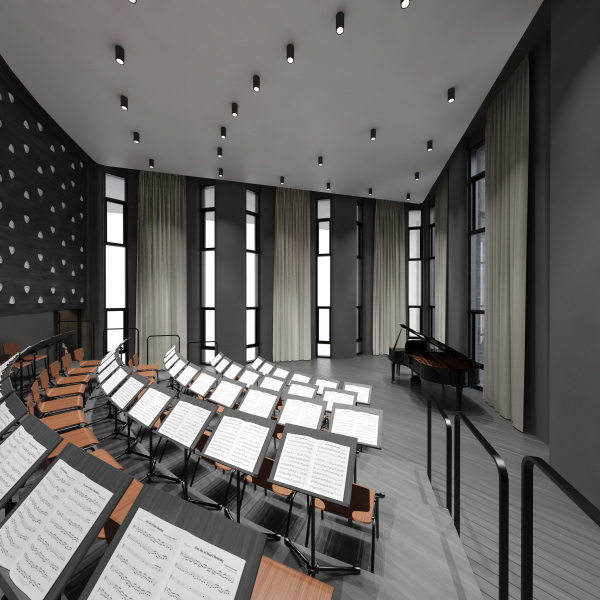 Magnitogorsk Musical TheaterCopyright: © Chetvertoe Izmerenie (“Fourth Dimension”) Magnitogorsk Musical TheaterCopyright: © Chetvertoe Izmerenie (“Fourth Dimension”)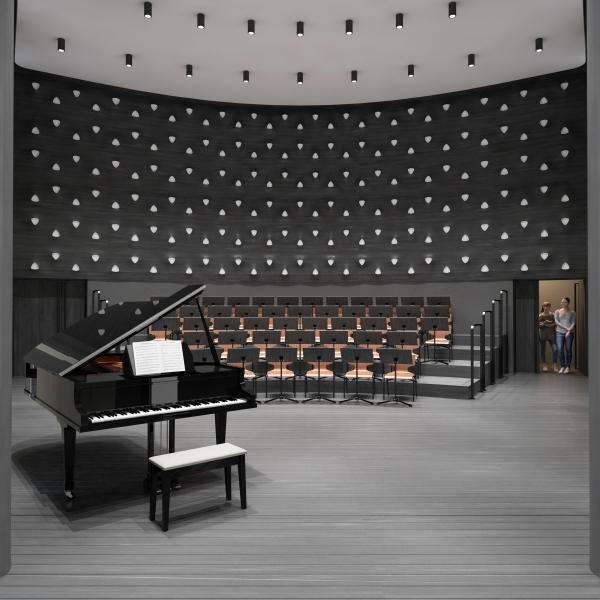 Magnitogorsk Musical TheaterCopyright: © Chetvertoe Izmerenie (“Fourth Dimension”)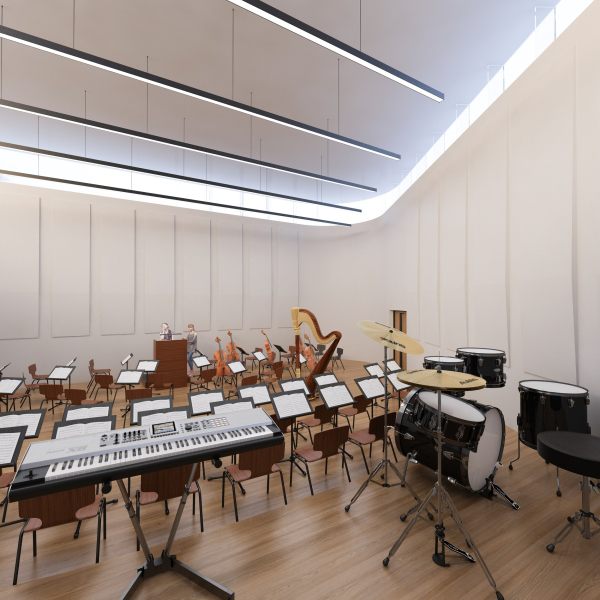 Magnitogorsk Musical TheaterCopyright: © Chetvertoe Izmerenie (“Fourth Dimension”) Magnitogorsk Musical TheaterCopyright: © Chetvertoe Izmerenie (“Fourth Dimension”)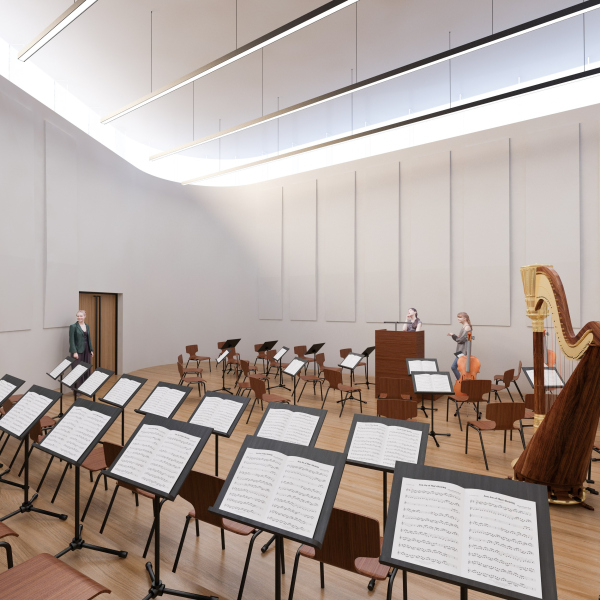 Magnitogorsk Musical TheaterCopyright: © Chetvertoe Izmerenie (“Fourth Dimension”)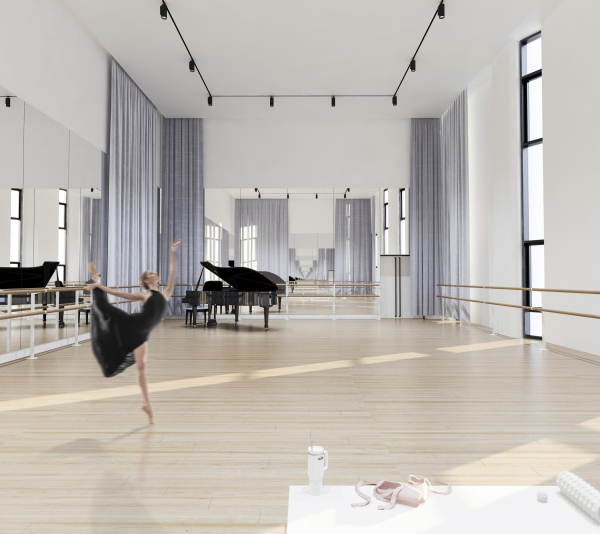 Magnitogorsk Musical TheaterCopyright: © Chetvertoe Izmerenie (“Fourth Dimension”)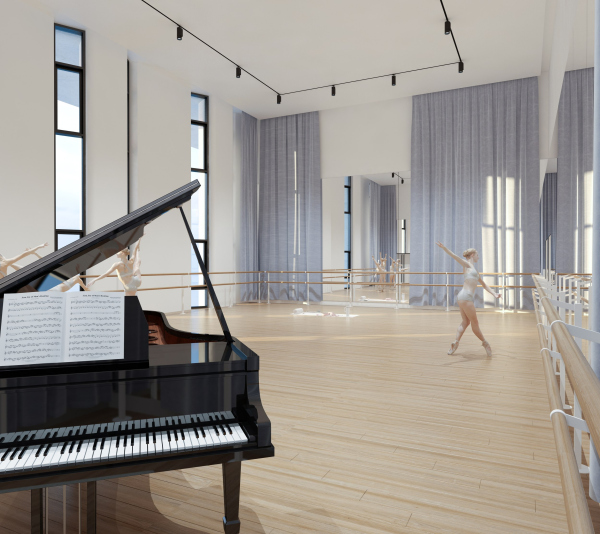 Magnitogorsk Musical TheaterCopyright: © Chetvertoe Izmerenie (“Fourth Dimension”)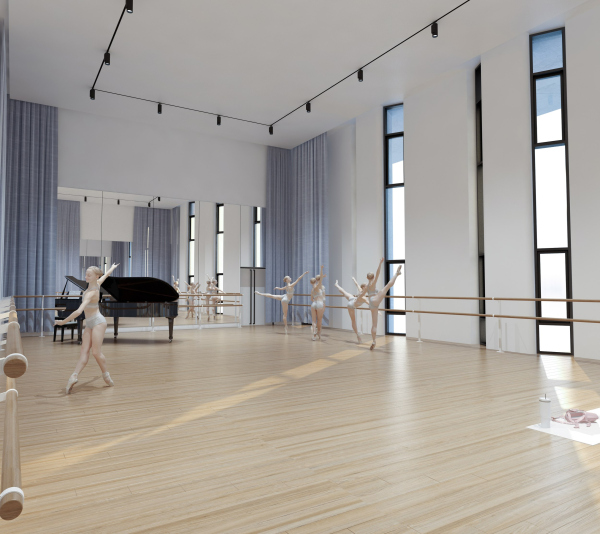 Magnitogorsk Musical TheaterCopyright: © Chetvertoe Izmerenie (“Fourth Dimension”) Magnitogorsk Musical TheaterCopyright: © Chetvertoe Izmerenie (“Fourth Dimension”)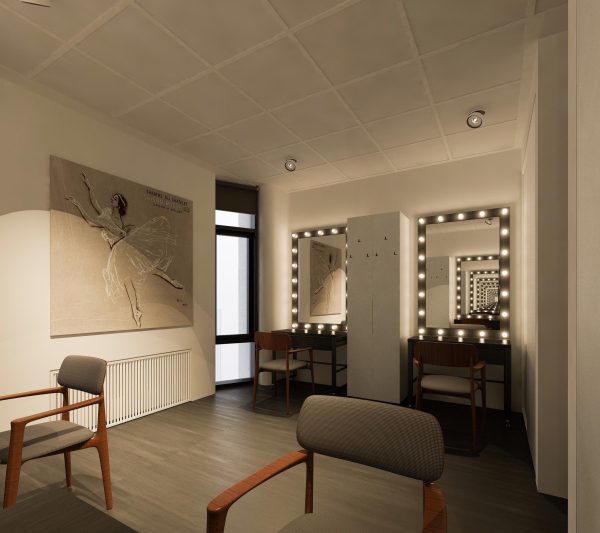 Magnitogorsk Musical TheaterCopyright: © Chetvertoe Izmerenie (“Fourth Dimension”)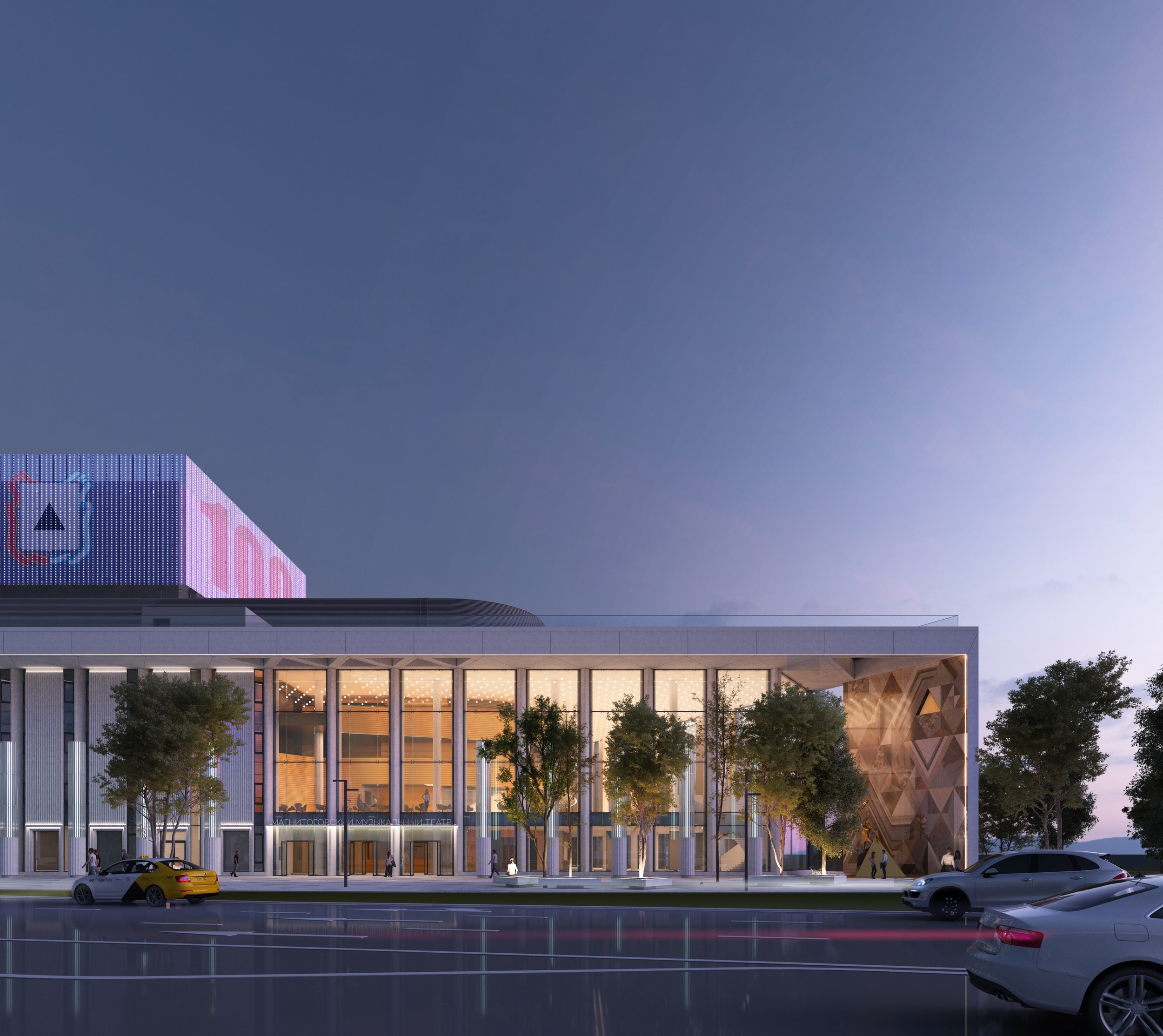 Magnitogorsk Musical TheaterCopyright: © Chetvertoe Izmerenie (“Fourth Dimension”)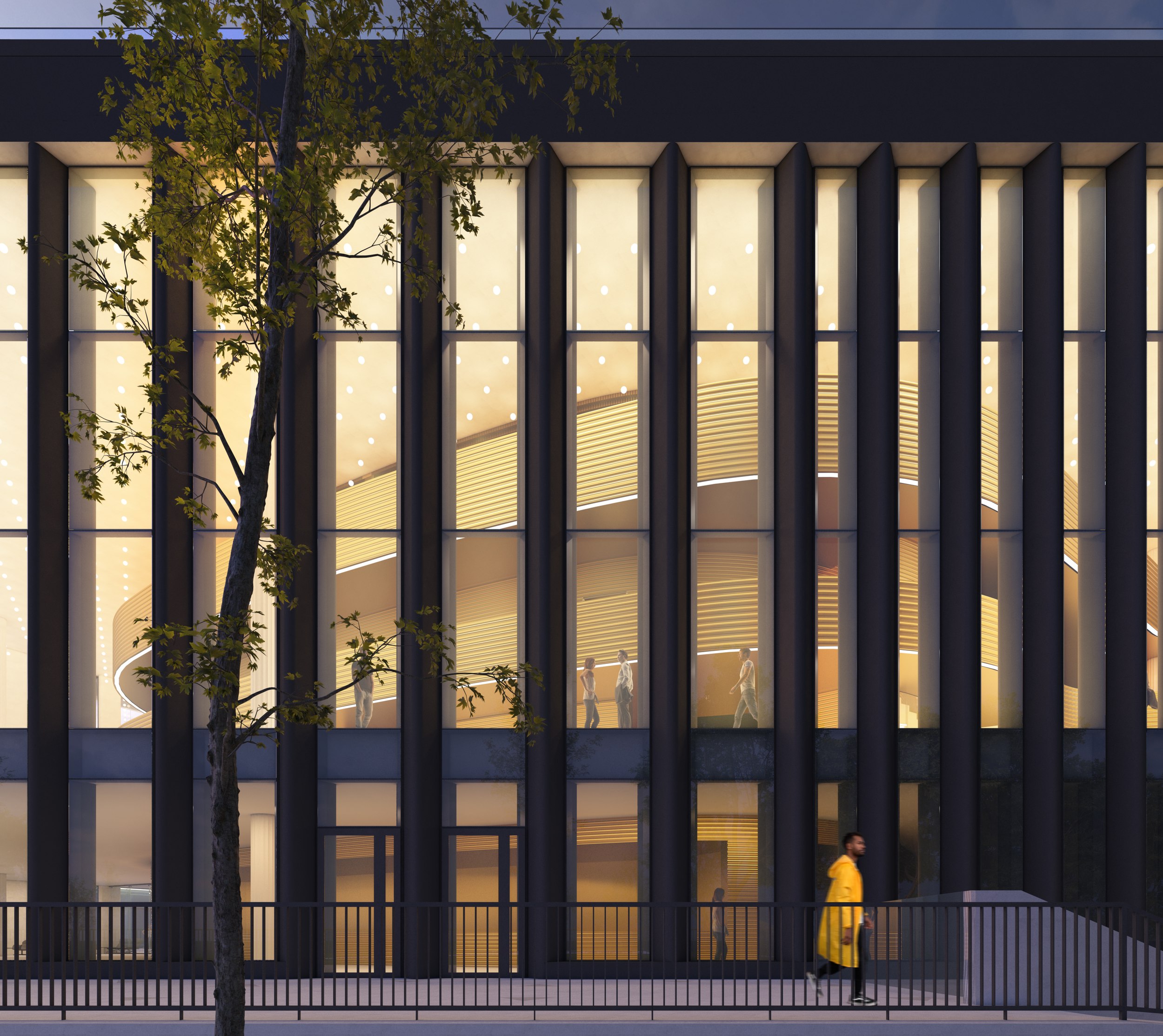 Magnitogorsk Musical TheaterCopyright: © Chetvertoe Izmerenie (“Fourth Dimension”)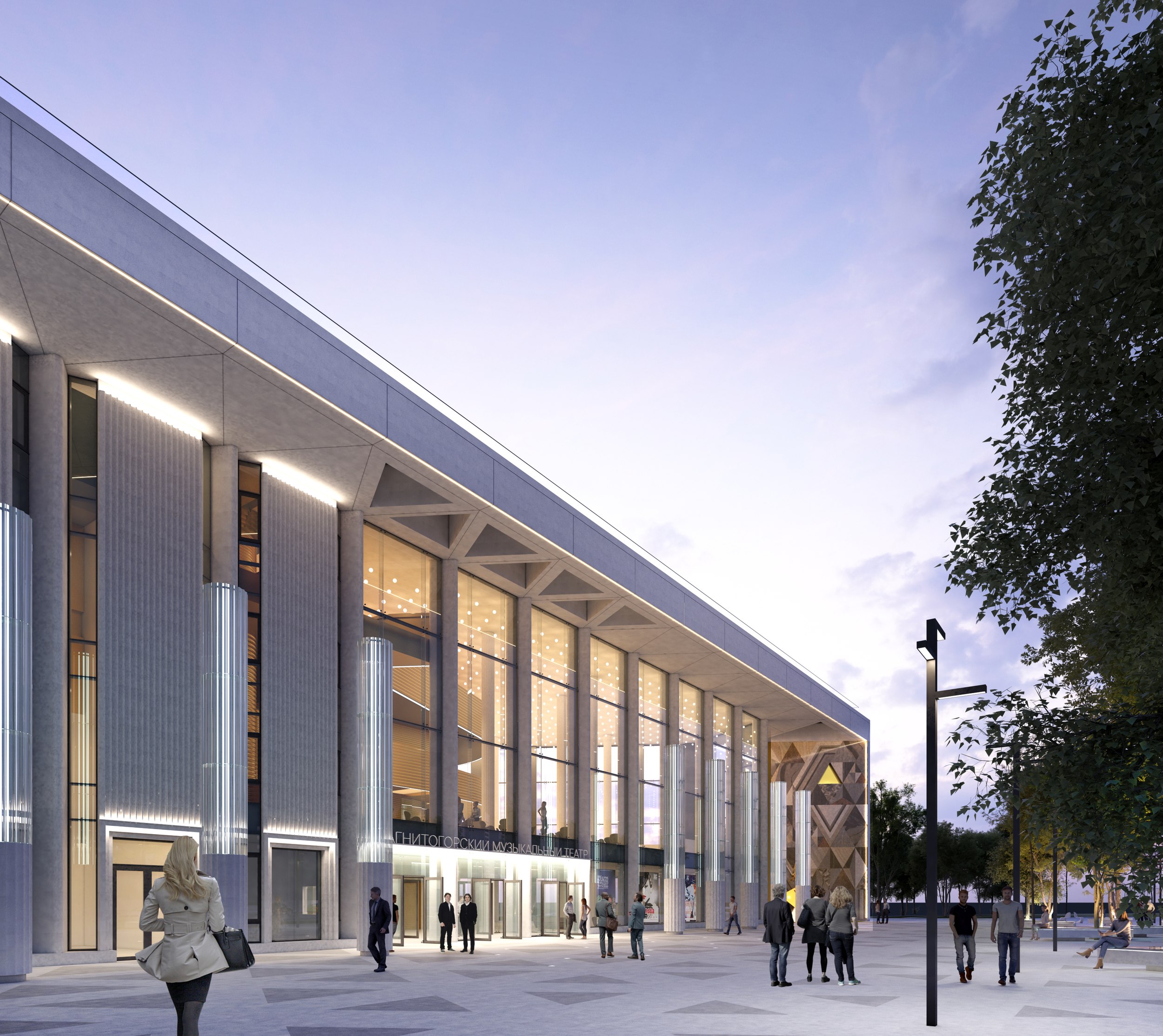 Magnitogorsk Musical TheaterCopyright: © Chetvertoe Izmerenie (“Fourth Dimension”)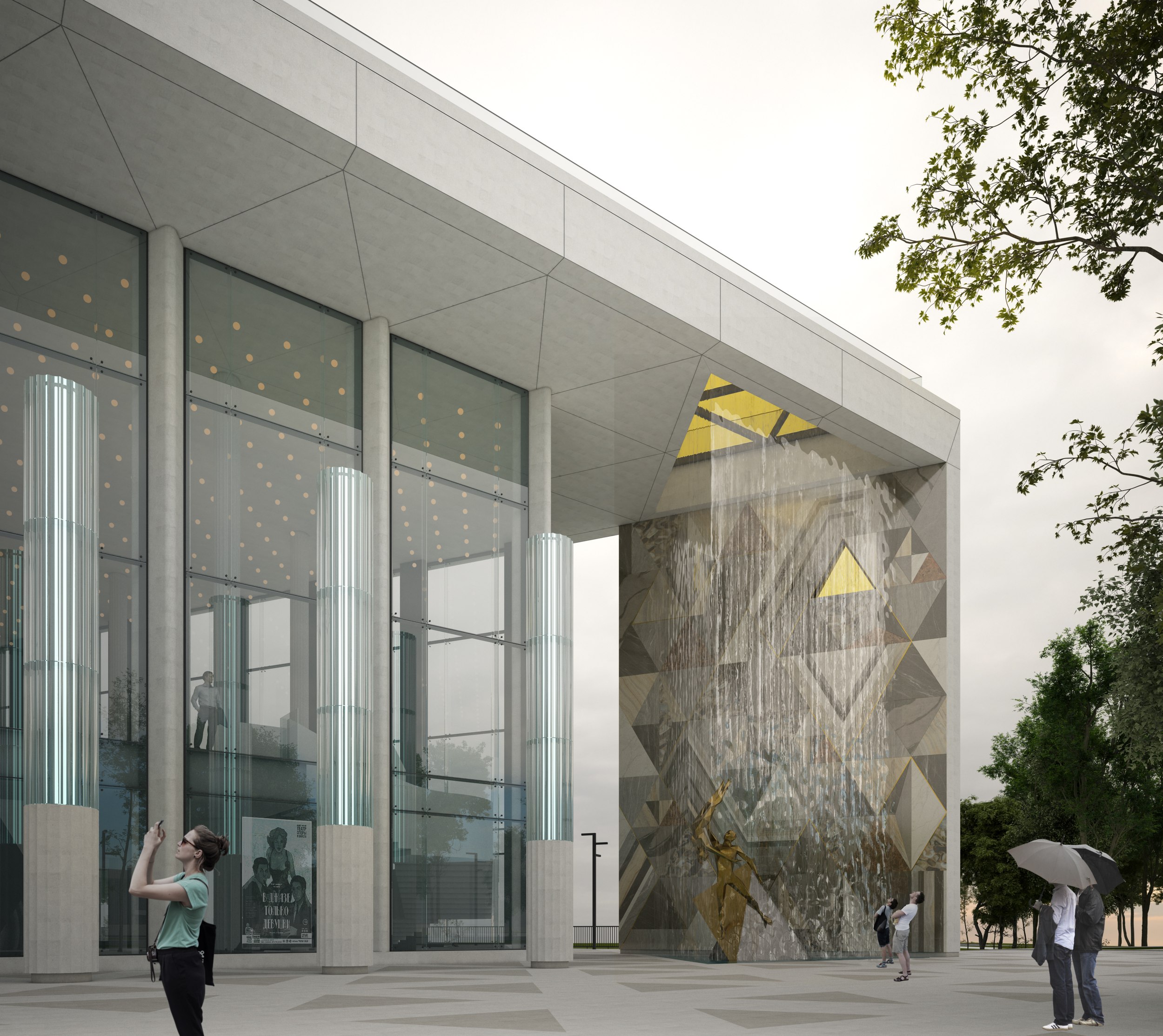 Magnitogorsk Musical TheaterCopyright: © Chetvertoe Izmerenie (“Fourth Dimension”)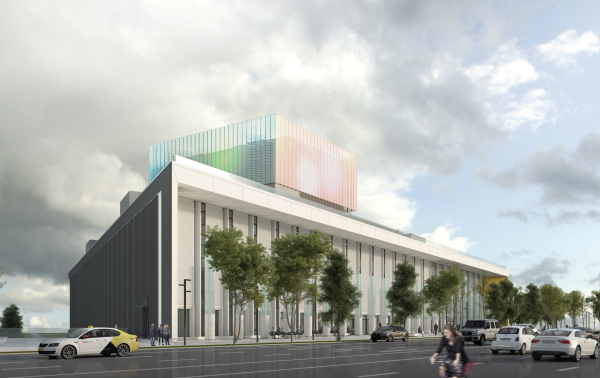 Magnitogorsk Musical TheaterCopyright: © Chetvertoe Izmerenie (“Fourth Dimension”)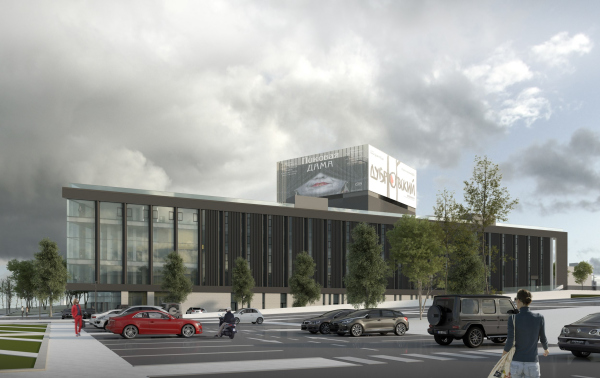 Magnitogorsk Musical TheaterCopyright: © Chetvertoe Izmerenie (“Fourth Dimension”)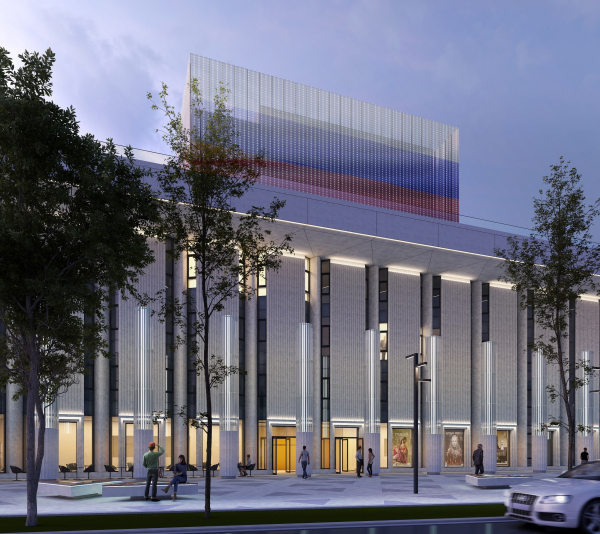 Magnitogorsk Musical TheaterCopyright: © Chetvertoe Izmerenie (“Fourth Dimension”)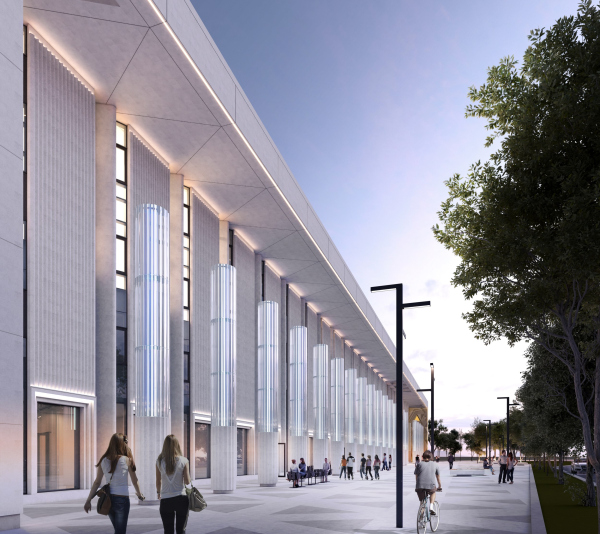 Magnitogorsk Musical TheaterCopyright: © Chetvertoe Izmerenie (“Fourth Dimension”) Magnitogorsk Musical TheaterCopyright: © Chetvertoe Izmerenie (“Fourth Dimension”)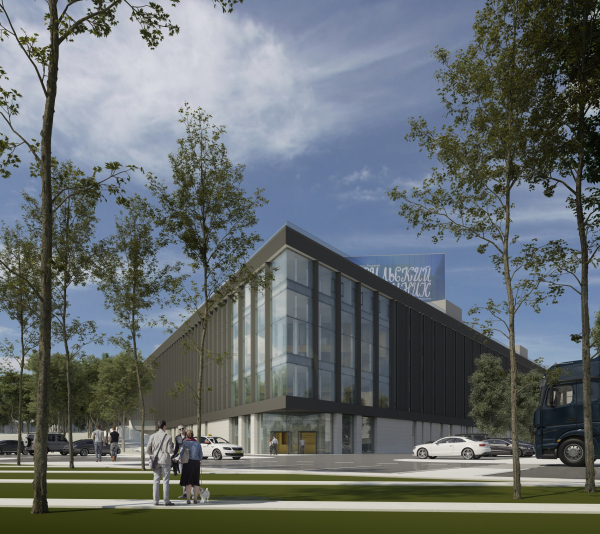 Magnitogorsk Musical TheaterCopyright: © Chetvertoe Izmerenie (“Fourth Dimension”)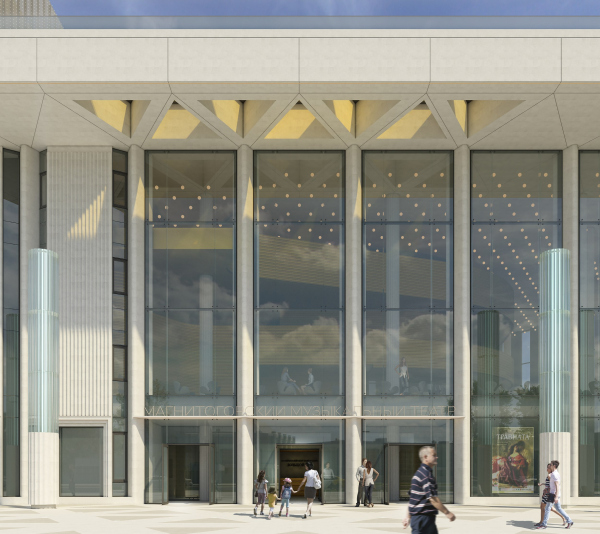 Magnitogorsk Musical TheaterCopyright: © Chetvertoe Izmerenie (“Fourth Dimension”)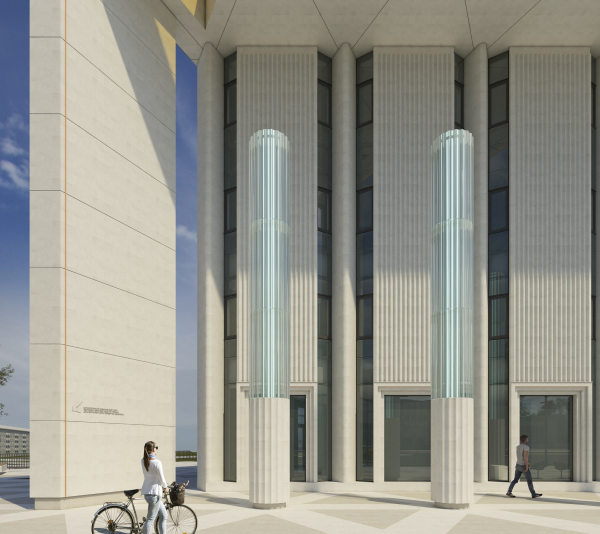 Magnitogorsk Musical TheaterCopyright: © Chetvertoe Izmerenie (“Fourth Dimension”)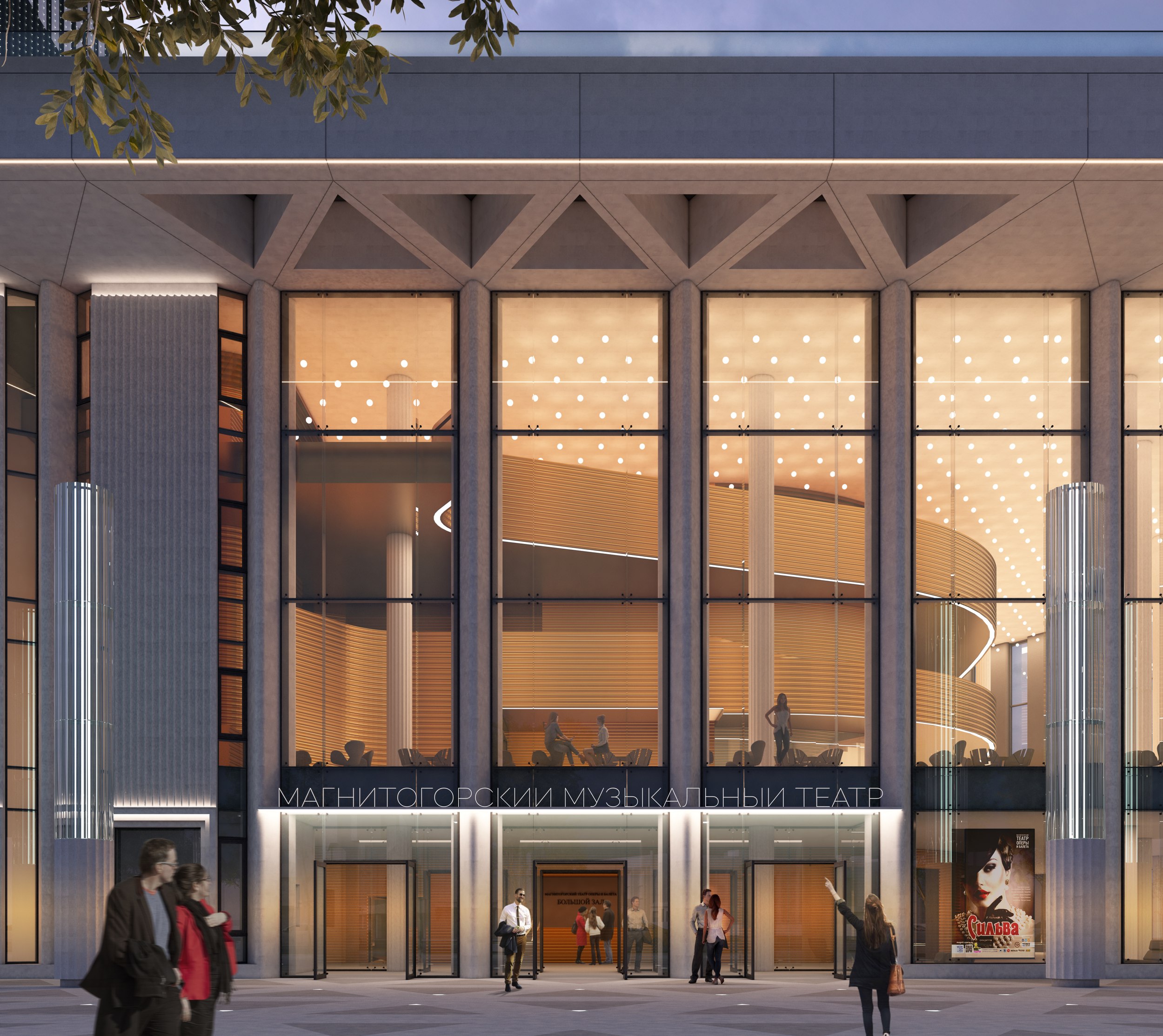 Magnitogorsk Musical TheaterCopyright: © Chetvertoe Izmerenie (“Fourth Dimension”) |
|